

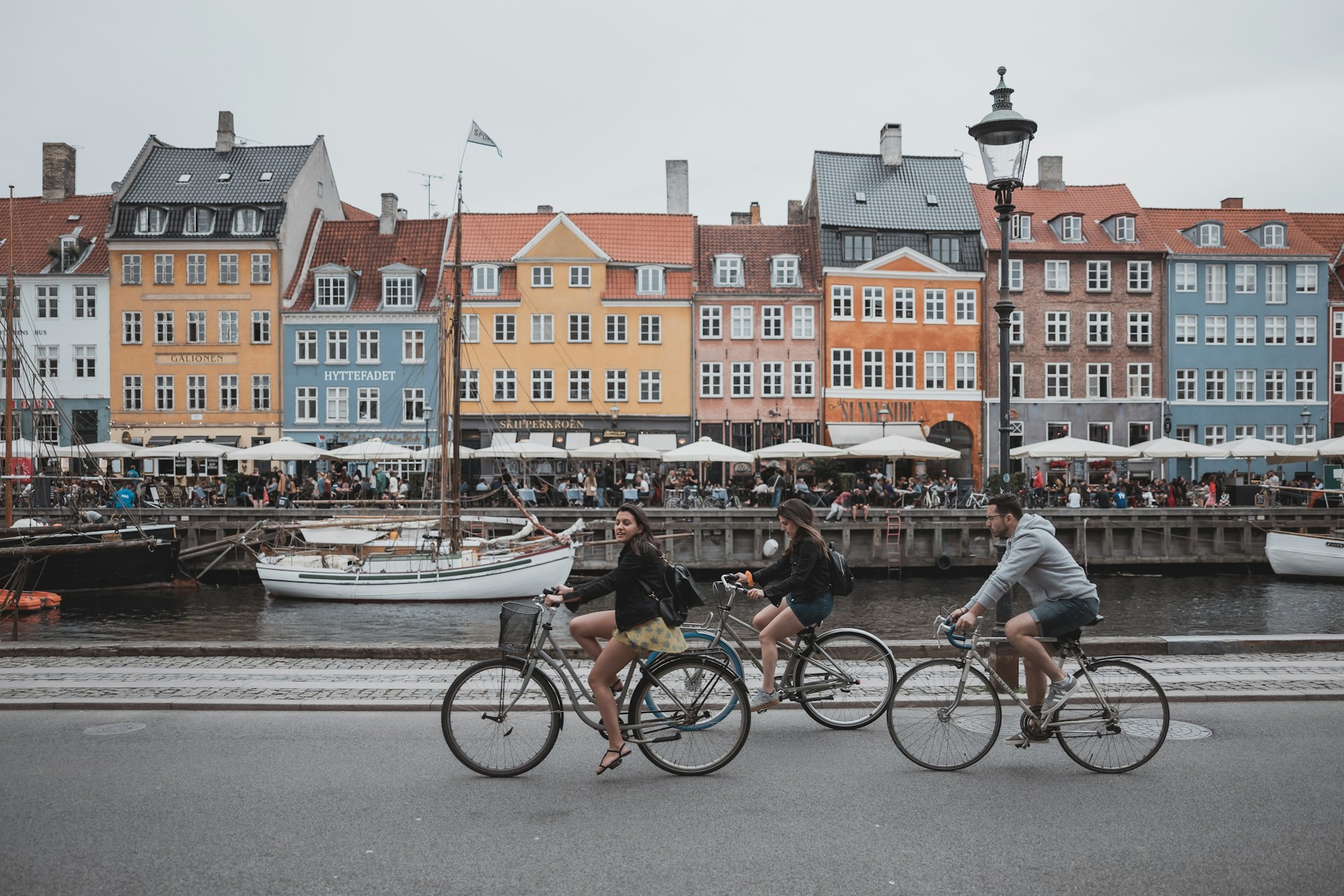
🏆 World’s most livable city? It’s the capital. Copenhagen has been ranked the best city to live in worldwide, according to the 2025 Global Liveability Index. The city scored a perfect 100 in stability, education, and infrastructure, pushing Vienna to second place after three years on top. Zurich, Melbourne, and Geneva round out the top five. While global stability scores dropped, Copenhagen stood out for its consistent quality of life.
Read our article: Why Hørsholm is Denmark’s hidden gem for quality of life
⭐ New stars in the kitchen. Six restaurants across the country have earned their first Michelin star, bringing the total number of one-star spots to 27. Among the newcomers are Alimentum in Aalborg, Pearl by Paul Proffitt near the German border, and several in the capital area, including Sushi Anaba. No new two- or three-star restaurants this year, but all existing stars were kept. Meanwhile, over in Tórshavn, the Faroese restaurant Paz made a grand entrance with two stars.
🚰 Water tasting becomes high culture. A global trend is turning mineral water into the new wine, with tastings, awards, and gourmet branding. At a recent event, judges sipped over 100 waters, from volcanic snowmelt in Peru to fog-collected drops in Tasmania. Experts say water really does taste different depending on minerals and origin, but while bottled water might seem “cleaner,” local tap water is often just as good, if not better. Still, concerns are growing about importing fancy water from afar, especially when clean drinking water isn’t a global guarantee.
💊 Odense tackles rising opioid use among youth. More young people are misusing opioids like tramadol and fentanyl, prompting Odense to propose a new action plan. One idea is to offer gift cards to encourage attendance at treatment sessions. Opioids are dangerously addictive and can be fatal, even in small doses. The plan focuses on education, early detection, and cross-sector collaboration.
📚 Controversial topics skipped in classrooms. Nearly one in four teachers say they’ve avoided certain subjects in class because they’re too controversial. Topics like the Muhammad cartoons, gender identity, and suicide are among those left out, often to protect student well-being or avoid conflict. Some teachers even fear for their safety. While politicians call for stronger support and freedom to teach, the teachers’ union urges against national rules and instead wants more local solutions.
🎓 AI allowed in class but banned at exams. Tools like ChatGPT are widely used during the school year but strictly banned during tests, leaving students frustrated. They argue exams should reflect modern learning, not pretend AI doesn’t exist. Some schools allow limited AI use, but most still treat it as cheating. Students and school leaders now call for clearer rules, tech-focused classes, and maybe even a dedicated subject on AI to prepare young people for the real world.
🧠 1 in 5 adults struggle with adaptive problem-solving. A new report shows that about 20% of people aged 16–65 in Denmark have low skills in adaptive problem-solving, the ability to adjust solutions when new information arises. While Denmark scores above the international average, countries like Sweden, Finland, and Norway perform slightly better. The gap is especially wide across age groups: nearly a third of 55–65-year-olds struggle, compared to less than 10% of 25–34-year-olds. The findings highlight the growing need for lifelong learning.