
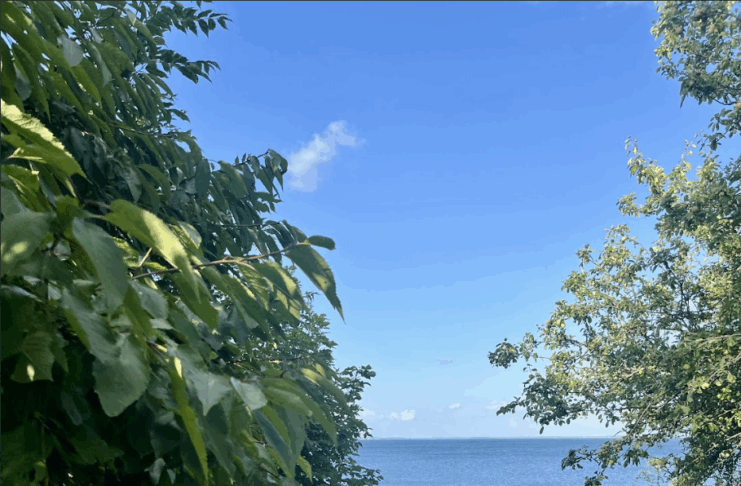
In Denmark, summer is marked by long days, (relatively) better weather, a shared calendar, and a set of cultural rituals. It’s a structure that creates space for rest.
The season usually starts after schools close, graduation caps fly, and bonfires are lit for Sankt Hans. After that, people seem to disappear until August.
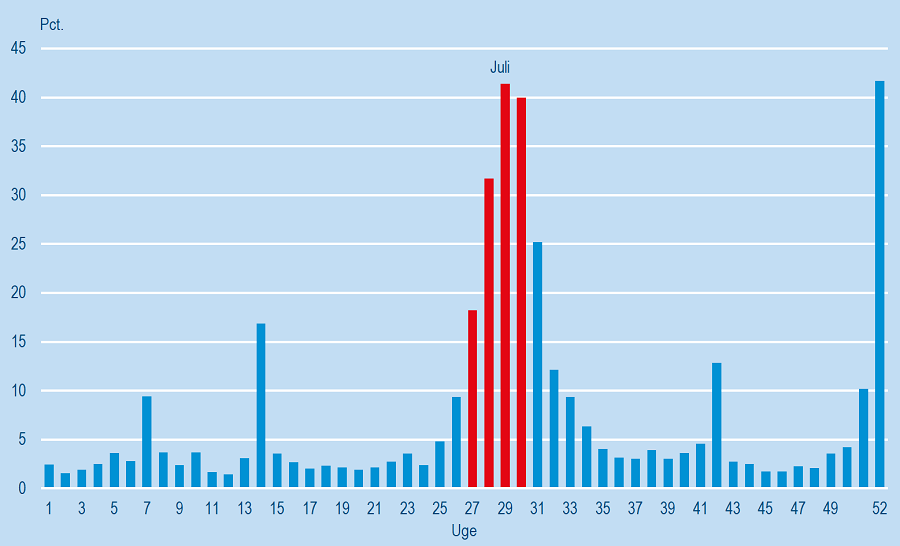
According to Danmarks Statistik, nearly 40 percent of all employed Danes take time off in weeks 29 and 30 – or, as I would explain to anyone but the Scandinavians, in July. These are the traditional “industrial holidays.” Schools are shut, and many workplaces either slow down or close altogether. By law, everyone is entitled to three consecutive weeks off between May and September. Most people take that time during the summer. Holiday pay is set aside throughout the year in a dedicated fund. Subscription-based payments, including tax instalments, are often paused in June, which is meant to make it easier to afford time off. Even people on unemployment benefits are allowed to pause job applications and job centre meetings.
This kind of coordinated summer break happens spontaneously in many places, especially across the global minority. But I haven’t experienced such deliberate social design outside of the welfare states. In Denmark, the right to holiday and rest is primarily a product of statutory and labor law evolution, solidified through legislation like Ferieloven and labor movement negotiations. Here, summer can still be called an institution.
After the pandemic, Danes significantly shifted to spending holidays in Denmark. While many still do travel, in 2024, over 56 percent of holiday trips were domestic. Among these, one destination continues to stand out: the summer house.
The Danish summer house is both a place and a habit. It’s one of the more curious features of this national break. The point is not to discover something new, but to return to something familiar. As an old Danish song still sung in schools puts it: “Du danske sommer, jeg elsker dig, skønt du så ofte har sveget mig.” Summer isn’t (and is not supposed to be) perfect, but it is beloved.
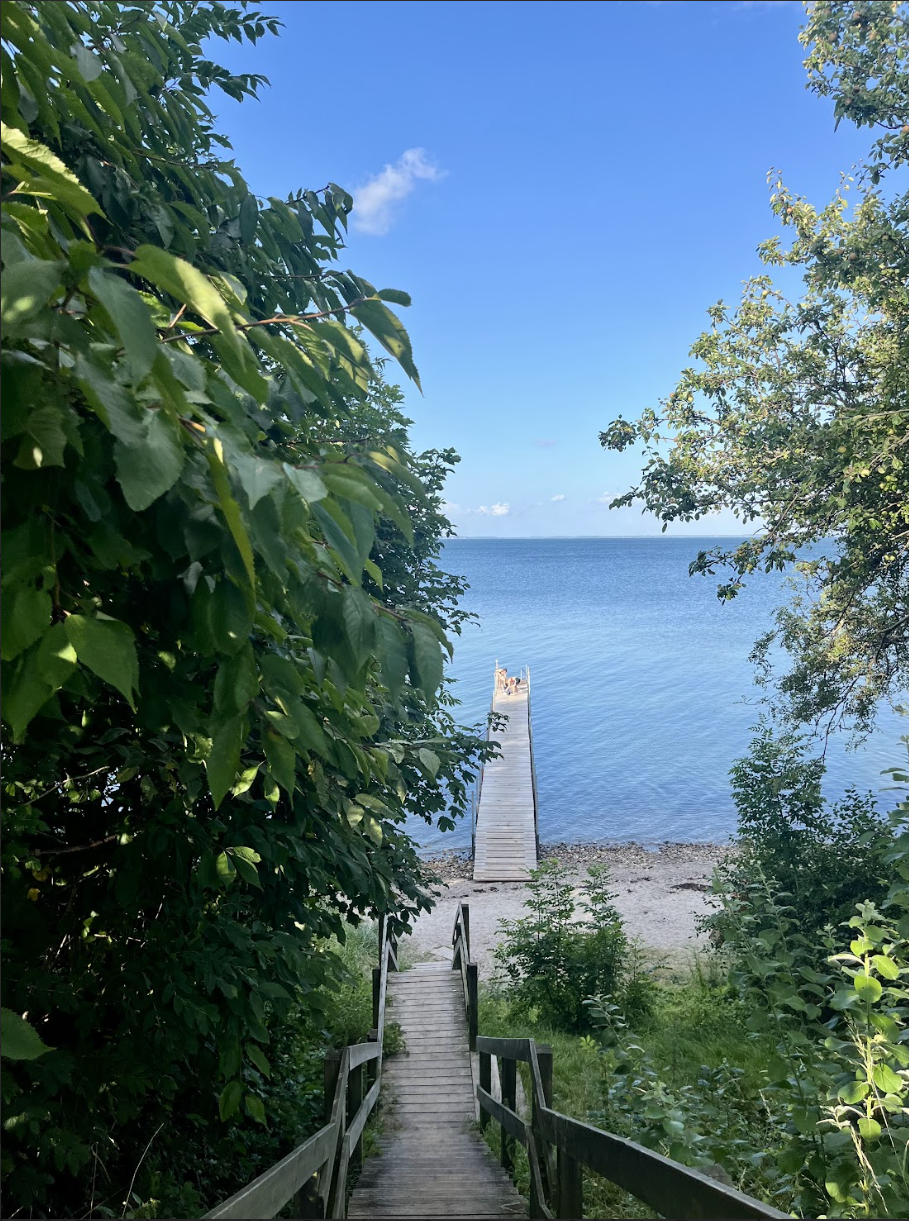
There are more than 220,000 summer houses across the country. Some are simple, others are full of well-selected design objects. But regardless of style or comfort, the summer house sets a certain rhythm. Long evenings, mixed weather, slower days, biking to the kiosk for ice cream, and going to the beach. You do less, and it is enough.
Of course, modern culture pulls in another direction. As one recent piece in Politiken pointed out, summer has become increasingly performative. The article described it well: “Even laziness is curated. If you’re going to do nothing, it better be on a boat in the South Funen archipelago with a copy of Olga Ravn’s latest book placed just so in the background.”
Is it worth resisting that pull and… actually resting?
Having the same weeks off, following a shared rhythm and set of rituals, creates shared memories and a sense of belonging. And it is timed, which is another thing Danes love. Summer is the time of the year when strawberries are ripe, and the days are long.
This season still asks less of us than most. It permits us to step out of performance, at least briefly. It offers a time and a space for doing nothing. And for that, this kind of Danish summer is worth holding on to.

Written by Alicja Peszkowska, a Copenhagen-based researcher and participation strategist working at the intersection of technology, culture, and social change.