

Biking in Winter
As a cold breeze blows through the Danish towns you know it’s that certain time of year. The certain time of year when a chill runs down your spine whenever you so much as think about cycling. And just as you thought you were getting the hang of the urban cyclist lifestyle too! The Danish Winter has made its debut.
In Parts 1 & 2 I kept insisting that cycling is something you ought to make into a habit. Naturally, the Danish winter is a very disruptive time of the year. For most non-cyclists it’s perhaps unimaginable to cycle in stormy snowy weather. Nonetheless, all is not lost.
A saving grace is that Denmark lies in the sweet spot between Central Europe and Northern Scandinavia where people can cycle all year round, provided that they have the right mindset and take the necessary precautions. The mild days with clear skies can really make it worth your while. If you can manage to cycle regularly in winter, spring and summer will become much easier!
Winter Cycling Overview
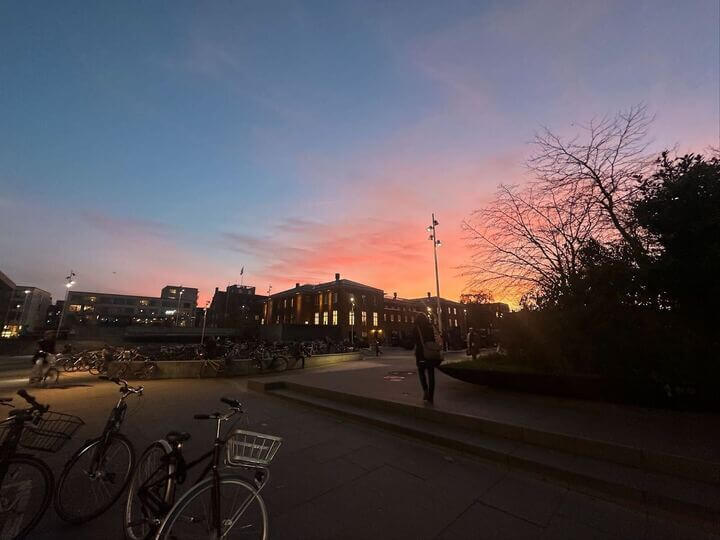 Short Days / Long Nights: Winter days in Denmark are short. In the dead of Winter, you may expect to have as little as 5 hours of sunlight. This means a lot of Winter Cycling is also Night Cycling. So you MUST NOT leave the house without bike lights. Remember you may be fined 750DKK for a missing front light and an additional 750DKK for a missing back light!
It also is a good idea to pay attention to the temperature when you leave the house and when you expect to return. Early commutes at 6AM can be especially chilly, so you should expect to wear heavier layers in the morning than on the way back.
Rain & Snow: Denmark tends to get the heaviest rainfall from August to around early December. So a pleasant surprise of the Danish Winter is that the weather is not as wet as you might expect. Don’t bother with a raincoat: you can cycle with a combination of shirts/blouses, sweaters and coats to keep you warm. Some folks like me can have very sensitive skin, in which case you should also wear gloves or mittens because you will be grasping your bike handles in the cold for 40-80 minutes a day. The rare days we do get rain or snow can be a bit frustrating. It’s always a good idea to tuck in a scarf or shawl to avoid exposing your neck and jaw to the mini-blizzards.
Sweating & Showering: Layering up has the side-effect that you will sweat easily. I am not going to lie: being sweaty in the cold is NOT a pleasant feeling. So here are a few solutions:
- Pedal less intensely to avoid overexerting yourself.
- Take breaks. If you have a 10km commute, try making a few stops at Netto or Espresso House to break your route into smaller runs.
- Try cycling with fewer layers. Your body will adjust to the climate over time.
- Do not break the habit of cycling. I cannot say I fully understand the science behind this, but you will find that you sweat or tire much less if you cycle every day. On the other hand, if you have a tempo where you cycle once a week, yes, it will probably be a sweaty ride.
If you are sweating a lot, consider that some Danish offices have showers. If you can carry an extra pair of clothes + a towel, you can shower at work! Check with your colleagues.
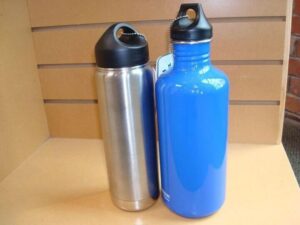 Water: When you sweat, you lose water. So remember to rehydrate! I recommend you carry a water canteen. If your bike does not have a basket, remember to drink water, coffee, tea (or beer if you are so inclined) to rehydrate after you reach your destination. Again, consider making stops during your commute.
Dryness: The Danish winter can really dry your skin out. Remember to keep your Hands and Face moisturized. If you did not have a skin care routine before coming to Denmark, I can recommend you start with the Änglamark creams sold in Coop and Super Brugsen. Your lips are also going to chap and dry up so carry lip balm with you.
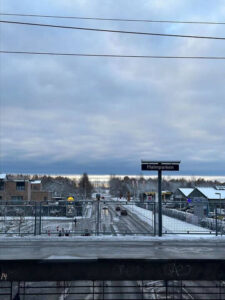 Freezing and Icy Roads: The Danish winter may be dry, but it can ALSO be icy. It’s not uncommon for it to rain one day and freeze over the next. Icy roads are a leading cause of biking accidents in winter. To be fair, the communes work hard to salt the roads and clear up snow. Even so it’s good to be a little cautious. Whether you are on a car or bike, the icy roads can be dangerous. Approach with caution, and drive slower. Snow Tyres are a must for cars, but most cyclists avoid them. I can see some cities like Aalborg where this is a good idea, but more often cyclists will avoid cycling during icy roads OR they will pedal slower. If you have built up endurance for long commutes over the summer and fall you will REALLY thank yourself.
Spring is only a couple of weeks away! I hope this guide will motivate you to go cycling a bit more often. Originally, this episode was going to be about Bike Repairs & Upgrades, but a few readers did really ask for a Winter Cycling explainer so I hope this helps you.
Until next time!