
Denmark’s Foreign Minister Lars Løkke Rasmussen talks to us about immigration, stopping the rise of DF and why internationals matter so much to the country.
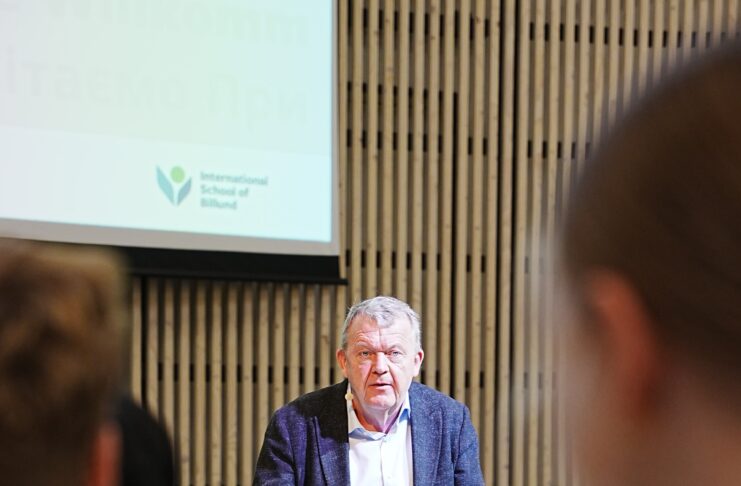
With the elections just days away, immigration and the international voice have been increasingly dominating headlines. Last week, we spoke exclusively to Denmark’s Foreign Minister, Lars Løkke Rasmussen, as he visited Billund Municipality for a dialogue with internationals.
Billund has been a focus in the national news recently. The municipality, which has 16% international residents, recently announced the establishment of Denmark’s first International Council. Meanwhile, Billund International, the country’s first Civic List of internationals, is seeking a seat on the local council in Tuesday’s elections.
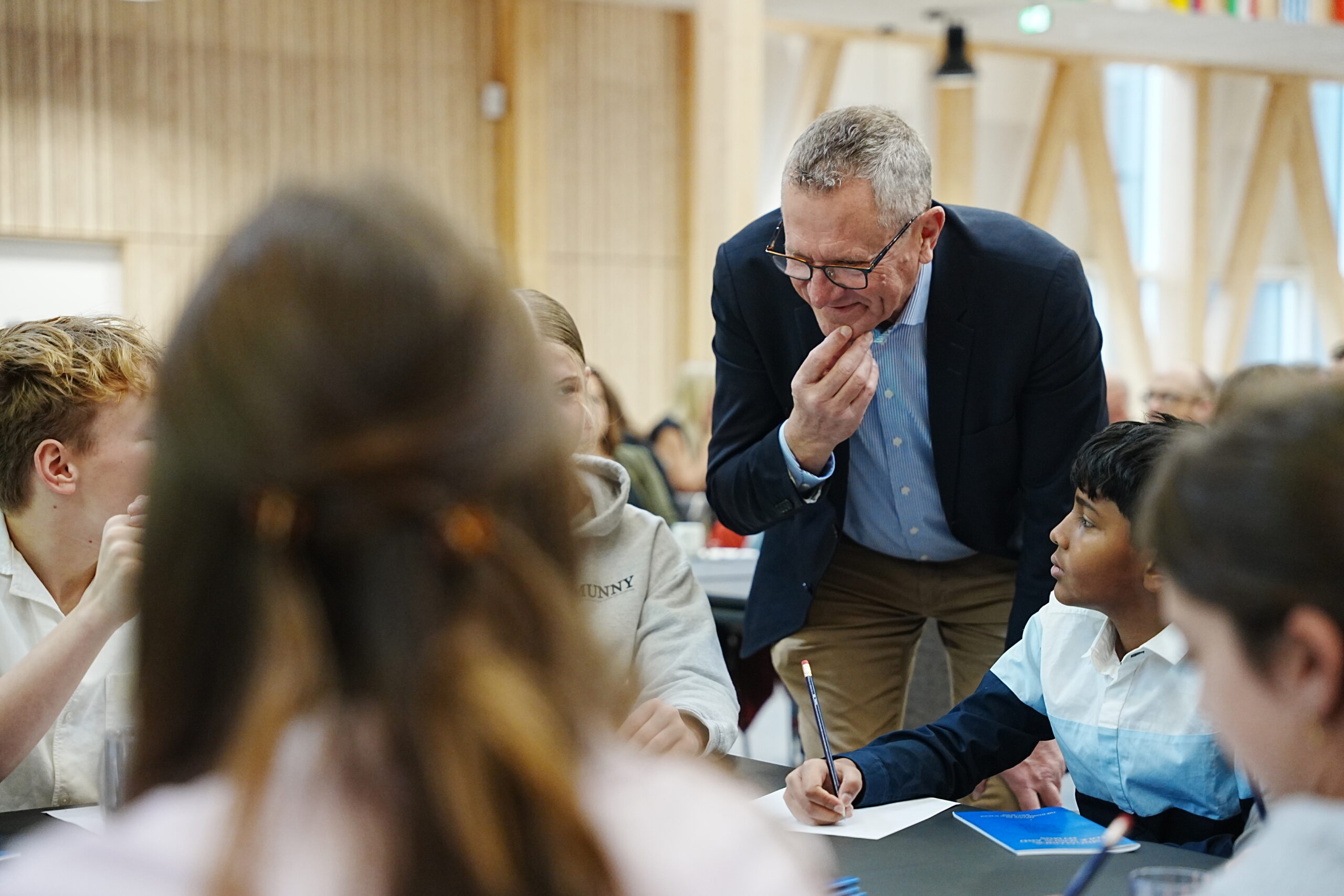
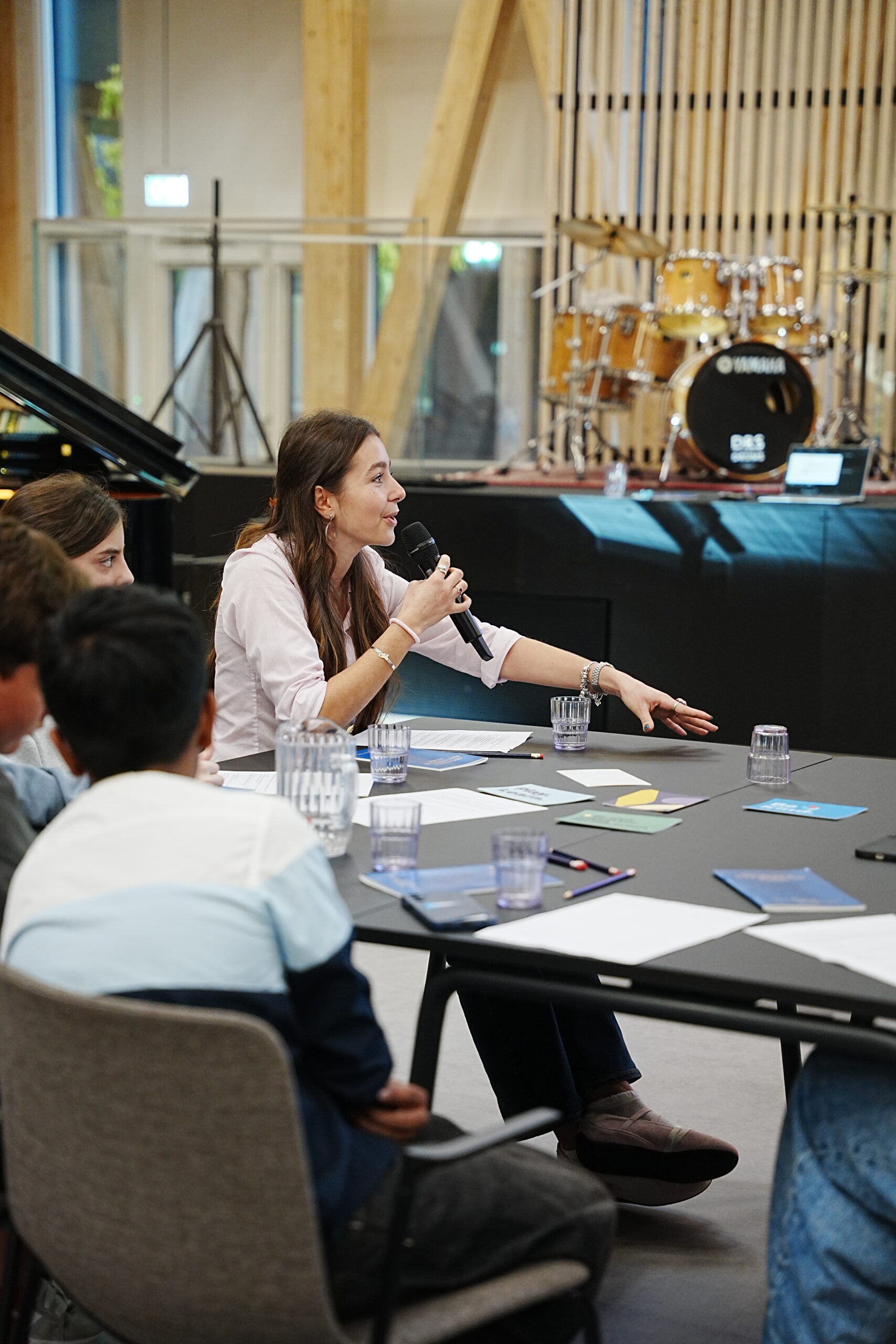
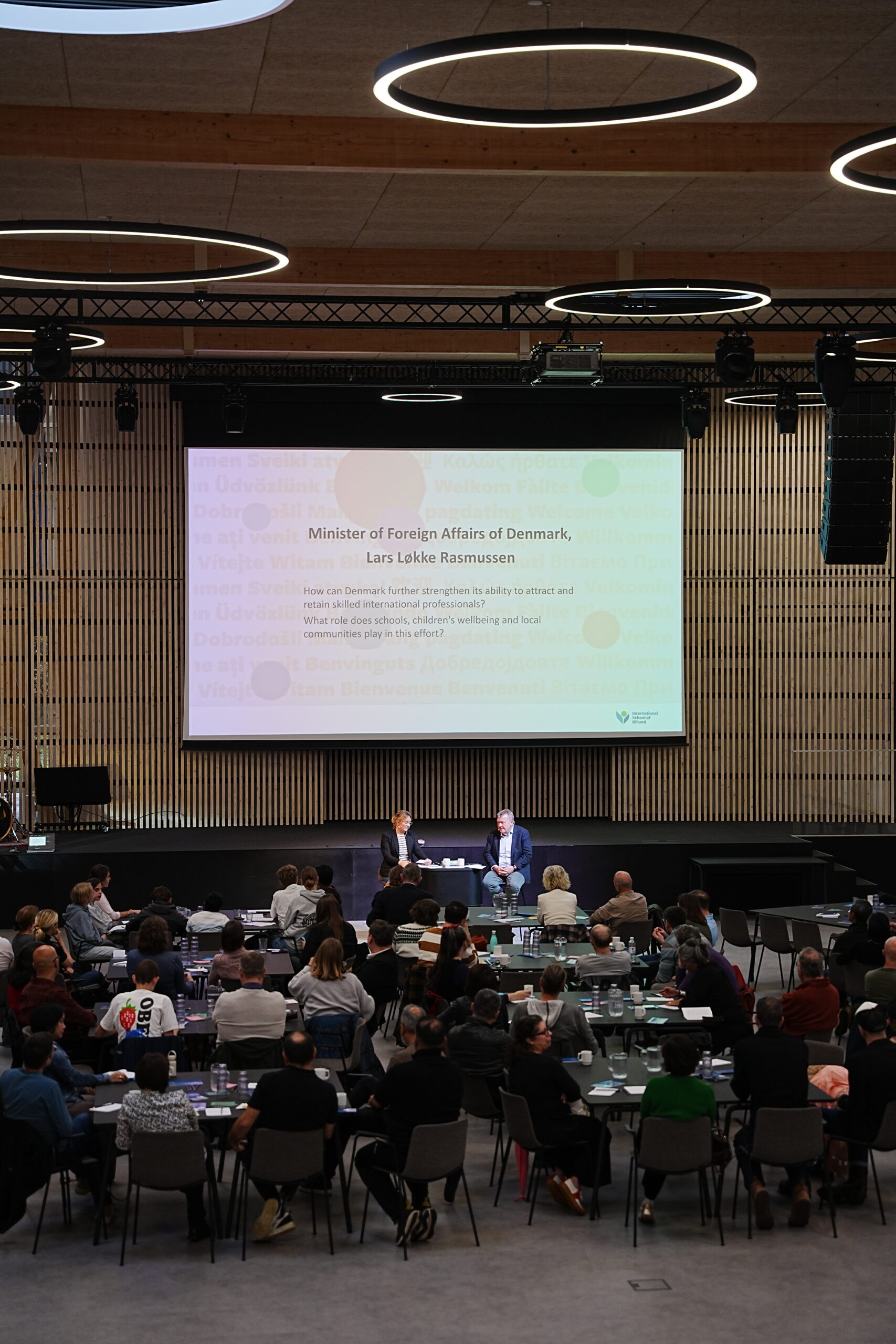
Last week’s meeting, billed as “a unique opportunity for an open and inspiring national dialogue”, gave local internationals, including students from the International School of Billund and their parents, the opportunity to submit questions for Løkke to address.
Discussion focused on how Denmark can further strengthen its ability to attract and retain skilled international professionals, including family needs, belonging and inclusive working environments and communities.
DF has tried to provoke me for a long time and I have decided to stay silent but now we are in a situation where we have to remove our gloves.
We asked Løkke how he plans to stop the rise of Dansk Folkeparti (DF), who recently announced plans to force 100,000 internationals on benefits to leave the country.
“Moderaterne have been really successful in working quietly within the government to lower the temperature on immigration over the past three years, but now it is rising again and we have to change our approach,” he told Last Week in Denmark. “DF has tried to provoke me for a long time and I have decided to stay silent but now we are in a situation where we have to remove our gloves. As we approach the next general election, this debate will be even more central and we will definitely play a part in this.”
I’m worried about DF’s stance for many reasons. We need to stand up and speak out about this.
“I’m worried about DF’s stance for many reasons,” Løkke said. “The economic impact of the international workforce is actually bigger than our total spending on our entire healthcare system. The surgeons in our hospitals, the staff in our elderly care facilities: we are dependent on the international workforce here. We need to stand up and speak out about this.”
While the UK has just announced plans to emulate Denmark’s alleged hard line on immigration, Løkke believes many have “wrong perceptions” about the country’s policies. “We tightened our immigration policies while I was Prime Minister but at the same time we have made access to our society easier for legal migrants,” he told us. “We have increased the numbers of internationals dramatically in recent years. So it’s not that we have closed Denmark down. Quite the contrary.”
We should always avoid a situation where we judge people who don’t “look” Danish as a problem.
“The better you control illegal migration, the easier it will be to argue amongst your own citizens that we should have an open approach to internationals coming here legally,” Løkke told us. “People then realise that when they meet people on the bus or the swimming hall, for example, who might not look like ‘the average Dane’, that person is here for a positive reason and is having a positive impact on our society. We should always avoid a situation where we judge people who don’t ‘look’ Danish as a problem. What is happening in the Channel is not ok. But at the same time we need internationals to come otherwise society is not sustainable. We have to strike a balance and that’s what we are trying hard to do.”
I’m particularly proud that Moderaterne has international candidates running in this election.
Løkke told us it’s vital that internationals who can vote, do. “I’m particularly proud that Moderaterne has international candidates running,” he told us. “We have really tried to reach out and include internationals in our party lists. We have candidates running for our party who are campaigning in English and are not fluent in Danish. If they are elected, our political system has to learn by doing. There is no way around this. We are talking about 10% of the voters who are internationals and we have to find ways to accommodate that.”
Asked about Billund International party, which has had a lot of national media attention recently, he told us, “I’m not a strong believer in having specific lists for internationals. This is a free country and people can do whatever they want but we have tried to advocate amongst ourselves to include the interests of internationals in our political platform. That is important.”
Løkke addressed a range of other questions from internationals during the dialogue. He discussed the issue of accompanying spouses struggling to find meaningful work. “We’re very much aware of the VISA challenges here and I’m all in favor of looking more closely at this,” he said. “There are also situations where couples divorce and one parent ends up in a bad position. We are working on these issues and if we can reach a national consensus, it’s much easier to have practical solutions. If we can bring the temperature down nationally regarding immigration, we can look at this.”
There are problems linked to how we recognise education from other countries. We need more practical solutions.
Løkke was also asked what is being done to help internationals with professional skills contribute more fully to the economy. “There are problems linked to how we recognise education from other countries, for example nursing education, and in Denmark we have very difficult processes,” he acknowledged. “There is also a big, big task for the local community here. We have a long tradition of cooperation between the private and public sector and this is a tool that could be used here, with a strong set-up between the municipality, local employers and the educational system. We need more practical solutions. This is something we need to put higher on the political agenda.”
Løkke was asked how Denmark can make it easier for internationals to bring elderly parents to live with them, therefore making it more attractive for internationals to stay long term, but admitted this would be “tough to deliver. We are looking at this and how we can remove barriers and push limits a bit, but it is not at all easy in this political environment.”
Løkke also said the government should look at adjusting the rules to extend internationals’ residence rights after job loss, to give them more time to find other employment before they must leave the country. He acknowledged the current strict rules can make it very difficult for the whole family, particularly children.