
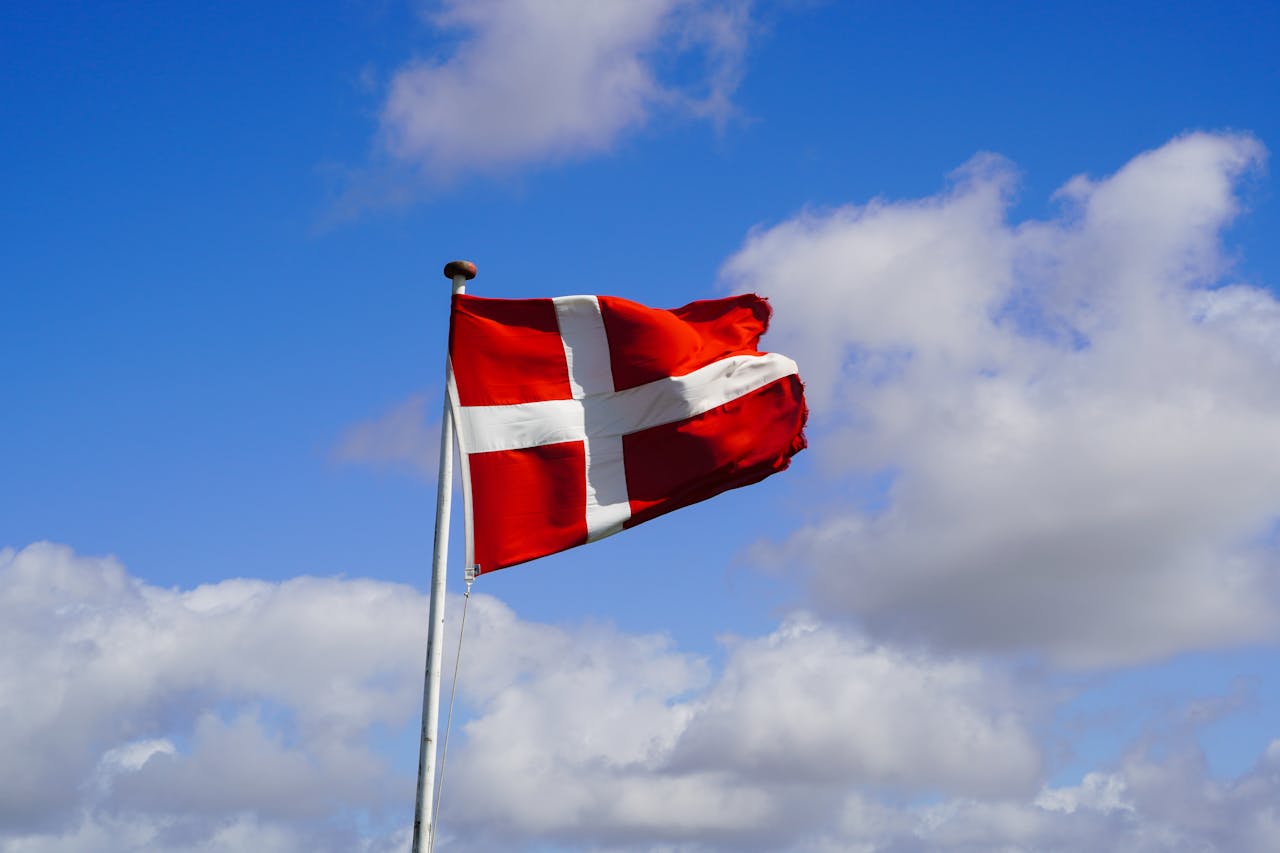
“The Germans are coming, and they are badly needed” – headline from a DR article.
There are 33,599 German citizens living in Denmark. If you include the historical minority in South Denmark and the second-generation Germans with Danish citizenship, the number is much higher. Put together, the German minority is probably the largest in Denmark. In the last two years alone, 5,000 Germans moved to Denmark.
Why? For some, it is the higher salaries and the promise of a more relaxed working life. For others, the possibility to homeschool their children. Also, several municipalities are making efforts to attract Germans by organizing special information days in German and by hiring German-speaking relocation guides.
Contrary to expectation, most choose to live outside the big four cities, and they are quite well distributed across the country. The island municipality of Ærø has experienced the largest influx of Germans by percentage over the past five years – from 97 to 230 people. In fact, almost 25% of the children at the island’s local school are of German descent.
Take the example of a family from Hannover planning to move to Denmark soon. They want more nature, more space, and more freedom. To accomplish that, they will acquire a bed & breakfast farm in Husby (near Holstebro) and invite their parents to join, creating a three-generation home.
In 2030, it is predicted that internationals will make up 20% of the population, and Germans will play an important role in that growth.
Thank you for reading and sharing Last Week in Denmark!