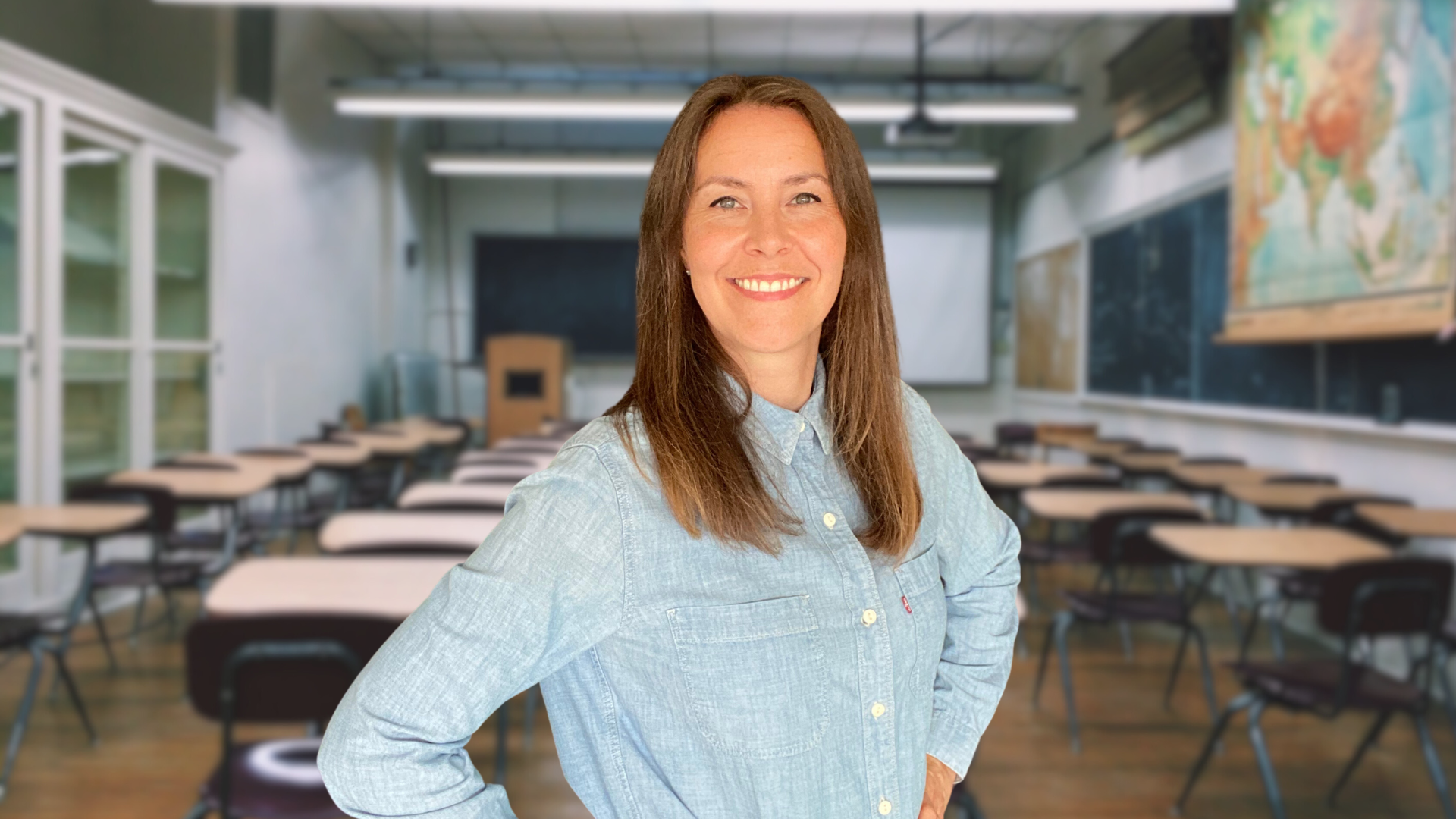
Sigga Hansen, Danish language teacher and founder of online language platform Lingua Danica, explores a common frustration for internationals learning Danish.
You’ve taken all the Kommune classes, sat through the modules, and eventually passed PD2 or even PD3. You’ve done your homework, memorized the grammar rules, and maybe even practiced your pronunciation in front of the mirror. And yet, when you’re at the grocery store, at work, or chatting with your Danish in-laws, the words don’t come out naturally. Not like you hoped they would after all that effort.
For many, the feeling that they can actually speak Danish in daily life never quite arrives. Why is that?
The invisible gap
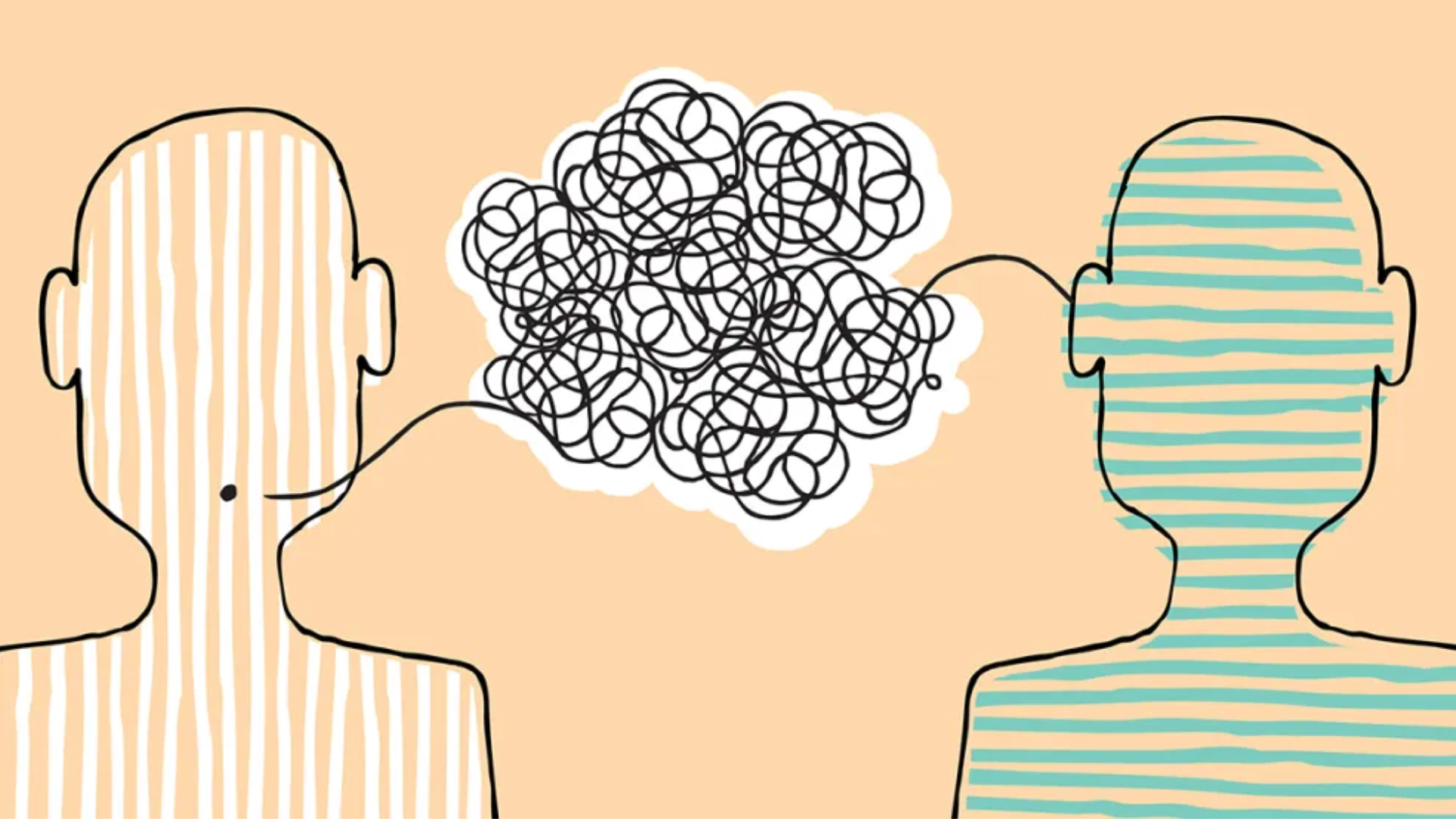
After completing the official course, many foreigners find themselves in a strange in-between space. They understand the language, read emails, and maybe even write quite well. But when it comes to speaking, they hesitate and freeze.
These courses are incredible resources: structured, supportive, and often free. But they’re designed to get you through the test, not necessarily to prepare you for the faster and unpredictable reality of real conversations. And once the classes end, many students wonder: How do I keep improving?
You passed PD2 or PD3, but still feel like a tourist in your own life. This isn’t a failure; it’s a gap in the system.
The barriers to speaking
Language isn’t just vocabulary and grammar; it’s rhythm, confidence, and context. It’s knowing how to jump into a conversation, sound natural, and keep going even when you don’t know the perfect word.
In a classroom, you learn to construct sentences, conjugate verbs, and understand written texts. But outside, Danish sounds very different. It’s fast, casual, full of slang, idioms, and regional accents. Native speakers often shorten words, speak in fragments, or use expressions that never appear in textbooks.
Another challenge is confidence. In a class, mistakes are expected, but in the real world, the stakes feel higher. You might worry about being judged, corrected, or answered in English. And, there’s also the cultural context. The Danish language is deeply tied to culture, including how people joke, greet each other, and express disagreement or affection. That pressure can make even fluent learners retreat into silence.
Achieving this kind of fluency doesn’t come from textbooks. It comes from real-life practice, tailored feedback, and a safe space to make mistakes without fear.
Finding your voice in Danish
PD3 is just the foundation. The next step is learning how to live in the language; finding fluency, confidence, and the ability to enjoy Danish instead of surviving it.
This often requires a different kind of practice: joining a conversation group, finding a language buddy, or taking courses that focus on spoken Danish and real situations: ordering food, handling small talk at work, or giving your opinion in a meeting.
If you’ve reached this stage and feel stuck, you’re not alone. Many internationals share this exact frustration. The good news? There are educators in Denmark who design courses for this phase to help you finally feel at home in the language.
Turning knowledge into confidence
The courses Lingua Danica offers are self-paced, which means you can fit them into your own busy life and revisit lessons as many times as you need. While they don’t provide live conversation practice or instant feedback on pronunciation, they are packed with practical materials that prepare you for the moments that really matter: grocery shopping, ordering at a restaurant, joining small talk, giving your opinion in a meeting, or simply keeping the conversation going.
My courses equip you with the words, expressions, and cultural insights you’ll actually need in daily Danish life. And just as importantly, they give you the structure and confidence to take that knowledge outside the “classroom” and use it in the wild – whether that’s with colleagues, neighbors, or a tandem buddy.
Because no course alone will make you fluent, true fluency comes from mixing learning with plenty of “free style” practice: chatting with people around you, listening to Danish music or podcasts, and daring to use your Danish in real life. My role is to give you the tools and courage to make that leap – so you don’t just know Danish, but actually live it. Because fluency isn’t something you earn by passing a test. It’s the moment you finally feel like yourself – in Danish.