
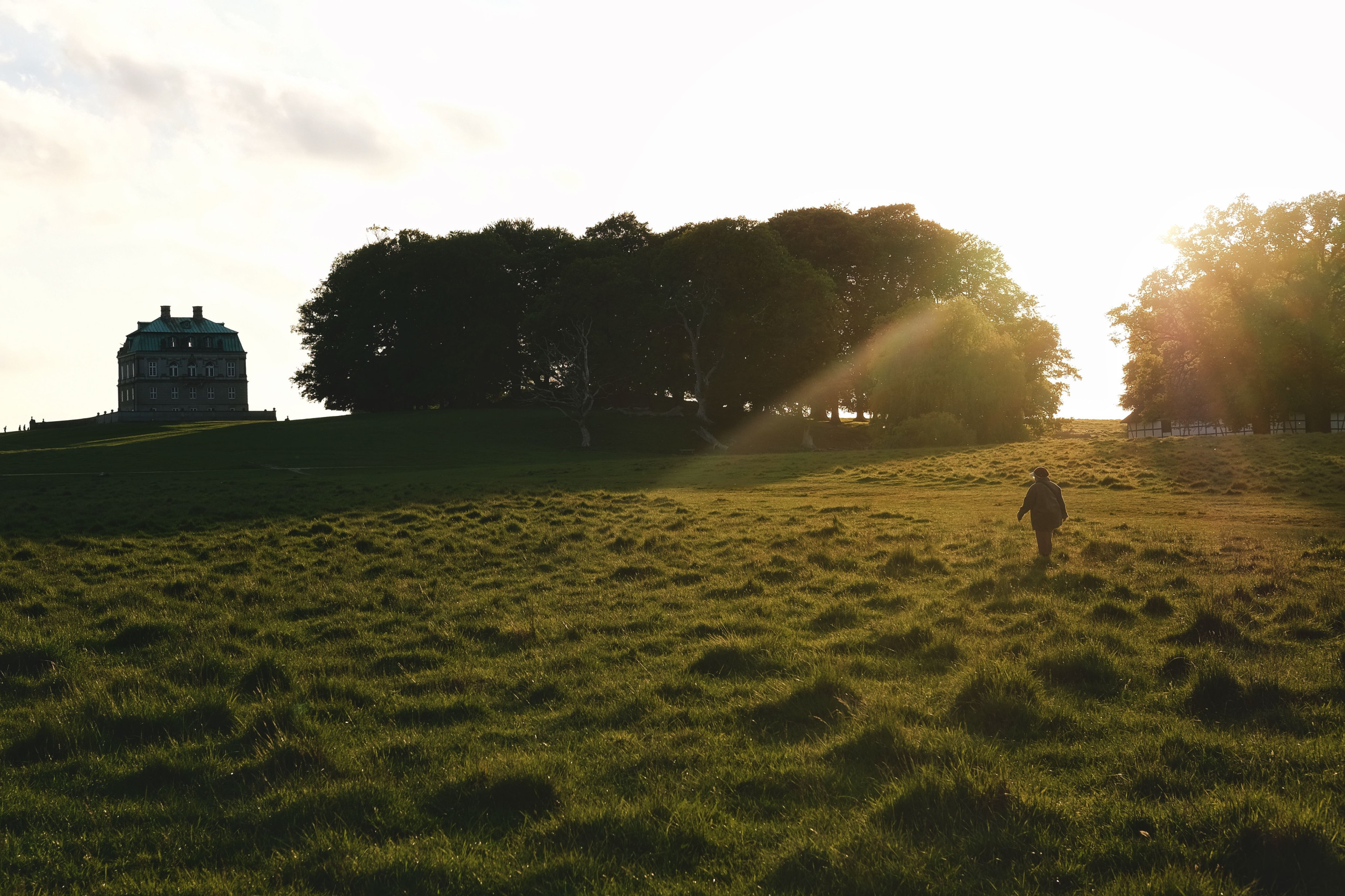
Fall is one of my favorite times of year. The long, lazy days of summer have transformed into shorter, chillier days. The air has developed a crispness and smells fresh, as though nature has hit reset. The leaves are becoming tinged with red and gold. We’re pulling out the sweaters and boots. Everything feels cozier in the fall.
With the return to school and work and the daily rhythm of life, I’m reminded of the many experiences I have to look forward to during this season. Here are five of them:
1. Apple-picking in a local orchard
During the fall, the apple takes center stage over all other fruits in Denmark. There is a wide variety to choose from, some more floral-tasting, others more tart or sweet like honey. They’re used in all manner of baking, including old-fashioned Danish apple trifle (officially known as old-fashioned apple cake), apple sponge cake, apple sauce, and apple cider, just to name a few.
Many public gardens and parks have fruit trees that are for the public to enjoy. My favorite public garden in North Sjælland is Bernstorffparken, a palace garden that offers a variety of fruit trees, a rose garden, beautiful palace grounds, and a tea room. I’ll also be trying Gammel Holtegaard in the coming weeks.
Many of these parks provide bags for gathering fruit, and as a courtesy, fruit-pickers are encouraged to take only what they can fit in a small bag. In 1241, in the Jutland Act, there was even a “Hat Rule,” which declared that you were only allowed to take what you could carry in your own hat. The idea is to take only what you can easily carry while leaving plenty for other pickers.
Harvesting large amounts from public gardens is discouraged. It’s better to visit a “Pick your own” (pluk-selv) farm, where you pay an entrance fee or pay for the fruit by the kilogram. Fruit-pickers are also encouraged to respect nature by not climbing trees or breaking branches to reach fruit.
It’s the most fall-time activity I can think of. And who doesn’t like a fresh-baked apple treat?
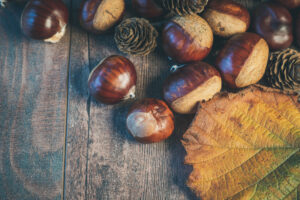
2. Collecting chestnuts
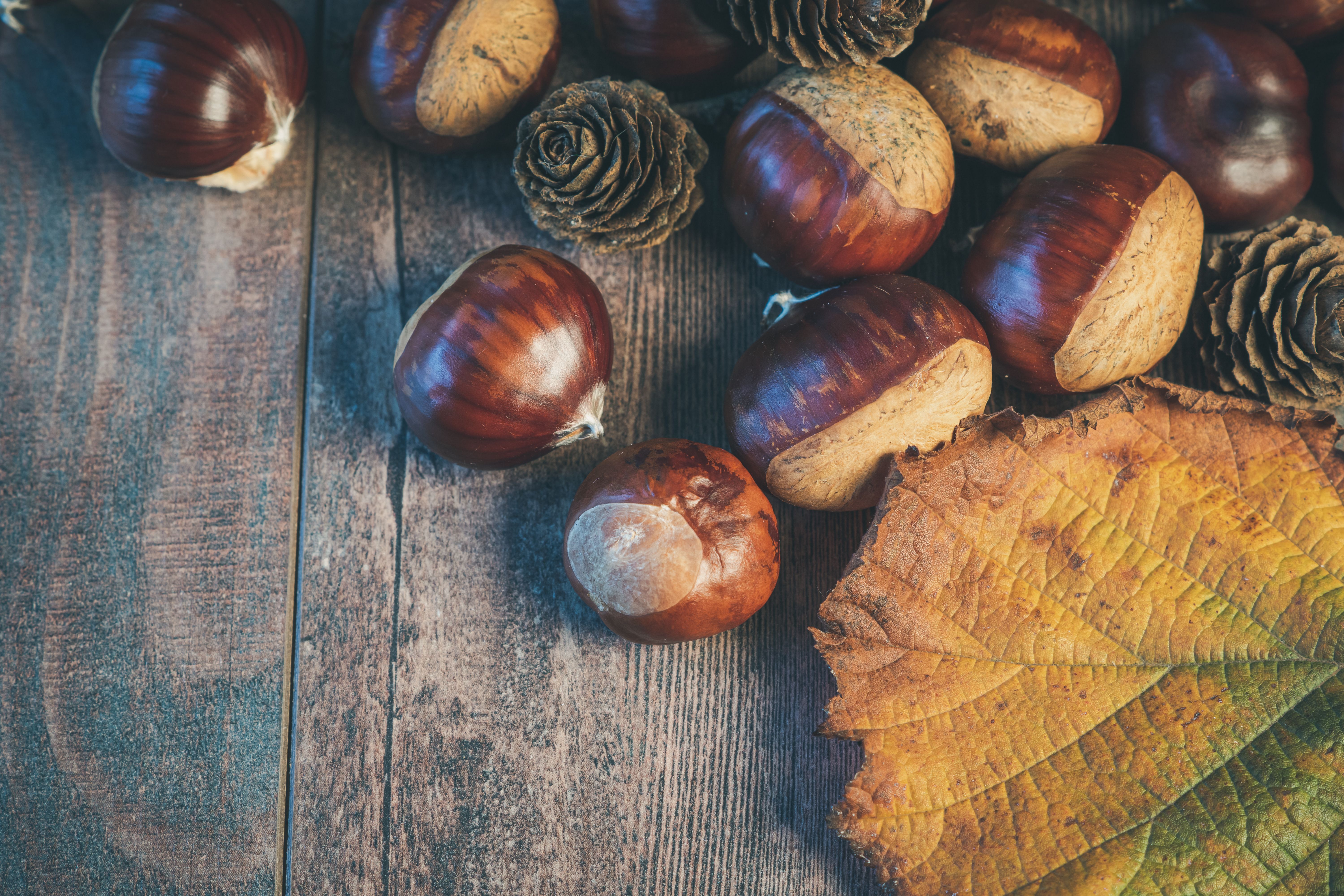
During this time of year, it’s common for Danes to go foraging for chestnuts. Since most chestnut trees in Denmark are horse chestnuts (hestekastanjer), which taste bitter and are toxic to humans in large amounts, they are mainly used to make decorations. When my children were in kindergarten (børnehave), they would often bring home chestnut spiderwebs made with matchsticks and yarn woven around them. It’s also common to make little chestnut animals (kastanjedyr) or chestnut men (kastanjemænd).
Though after watching the Danish psychological thriller series The Chestnut Man, I can’t say I can make chestnut men in quite the same whimsical way.
For edible sweet chestnuts (spisekastanjer), there are a few places around the country where you can forage for them, or you can simply look for them at your local supermarket. When roasted, they make an earthy, mildly sweet snack.
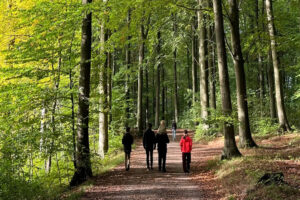
3. Going for a forest walk
Going for a forest walk (skovtur) is one of the most Danish things you can do this fall. It’s a cultural practice of slowing down, breathing in fresh, clear air, and immersing yourself in nature.
While in børnehave, my children would often take walks in the forest together with their classmates, build little forts out of branches, and make small campfires to roast bread on a stick (snobrød).
The beauty of Danish forests is that they’re meant to be walked or biked in, with various trails running throughout. While forests are pleasant to walk through at any time of year, I can’t think of a more beautiful time to go for a forest walk than fall. The crispness of the air combined with the magnificent ruby and golden hews of the trees and the crunching of leaves underfoot is a full sensory experience.
One of the places I look forward to visiting this autumn is Dyrehaven in Klampenborg. Home to the royal hunting lodge, the Hermitage, the forest provides a picturesque setting for a walk, and you’re almost certain to see a herd of deer along the way. If you’re feeling playful, you could even pair it with a visit to Bakken, the world’s oldest amusement park.
Horse-drawn carriages line the entrance to the park, so if you’re not up for a long walk, a lovely ride through the forest could be an alternative.
Whether walking or riding, both are perfect for a crisp fall day.
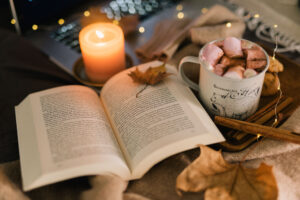
4. Efterårsferie (Week 42)
The fall break, which is always in the forty-second week of the year, in mid-October, used to have a very practical function. Back in 1899, it was officially established as the potato harvest break (kartoffelferie), during which children would take the week off from school to help their families harvest potatoes for the winter.
In the 1950s and ’60s, it transformed into the official fall school holiday known as efterårsferie.
During efterårsferie, families either use the week to take a mini holiday outside the country or enjoy cozy time at home, reading books and enjoying the cooler weather from indoors.
When I first arrived in Denmark, I didn’t understand the necessity of such a holiday, especially after such a prolonged summer break. So, forgetting there even was a holiday, I would show up at work, and no one else would be there. Now, ten years later, I understand and embrace this holiday much better, and I’ve even started planning for it in advance.
It’s a calm reset.
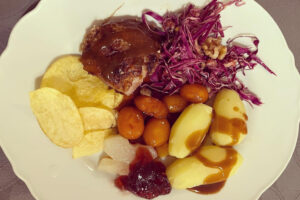
5. Mortensaften
This holiday, which takes place on November 10, was introduced to me by my neighbor three years ago. It’s a celebration of St. Martin of Tours (or Morten, in Danish).
Martin was a Roman soldier from the 4th century who famously cut his cloak in half to share with a freezing beggar. The people of Tours wanted to make Martin their bishop, but feeling unworthy and not wanting such a high position, he hid in a field of geese.
The geese, not being very good co-conspirators, made so much noise that they gave away Martin’s position, and he was forced to accept the role of bishop. Folklore playfully claims that to exact his revenge against the betrayal of the geese, St. Martin decreed that every household must sacrifice a goose once a year.
Countries across Europe celebrate this tradition in unique ways. For many, it’s a way to mark the end of the harvest and the beginning of the winter months.
Over time, Danish families transitioned from roasting geese to roasting duck because it’s smaller, more accessible, and more affordable. They honor St. Martin with a dinner of goose (or, more commonly, duck), served with sides like browned potatoes, brown sauce, red cabbage, and apple halves in jelly.
My neighbor generously taught me how to make a roasted duck with all the right side dishes several years ago. It was an excellent dish, though I’ve never been able to successfully roast a duck since.
But the flavor palette reminds me very much of the types of foods my family would eat during our Thanksgiving holiday: salty, savory, tart, and sweet. If you don’t celebrate Thanksgiving, then I can recommend Mortensaften.
While not technically having anything to do with Denmark, it’s a tradition that Danes have connected with — and it’s an excellent excuse to eat duck or goose.
While fall is when the days rapidly get shorter, I like to think of them instead as a time of concentrated coziness: a chance to be intentional about Danish hygge.
Perhaps that’s what I enjoy most about Danish fall. The darkness sets in earlier, the temperatures drop, and the summer light fades away. Rather than resist it, Danes just seem to lean into it — and after ten years of living here, I think I’ve finally learned to do the same.