

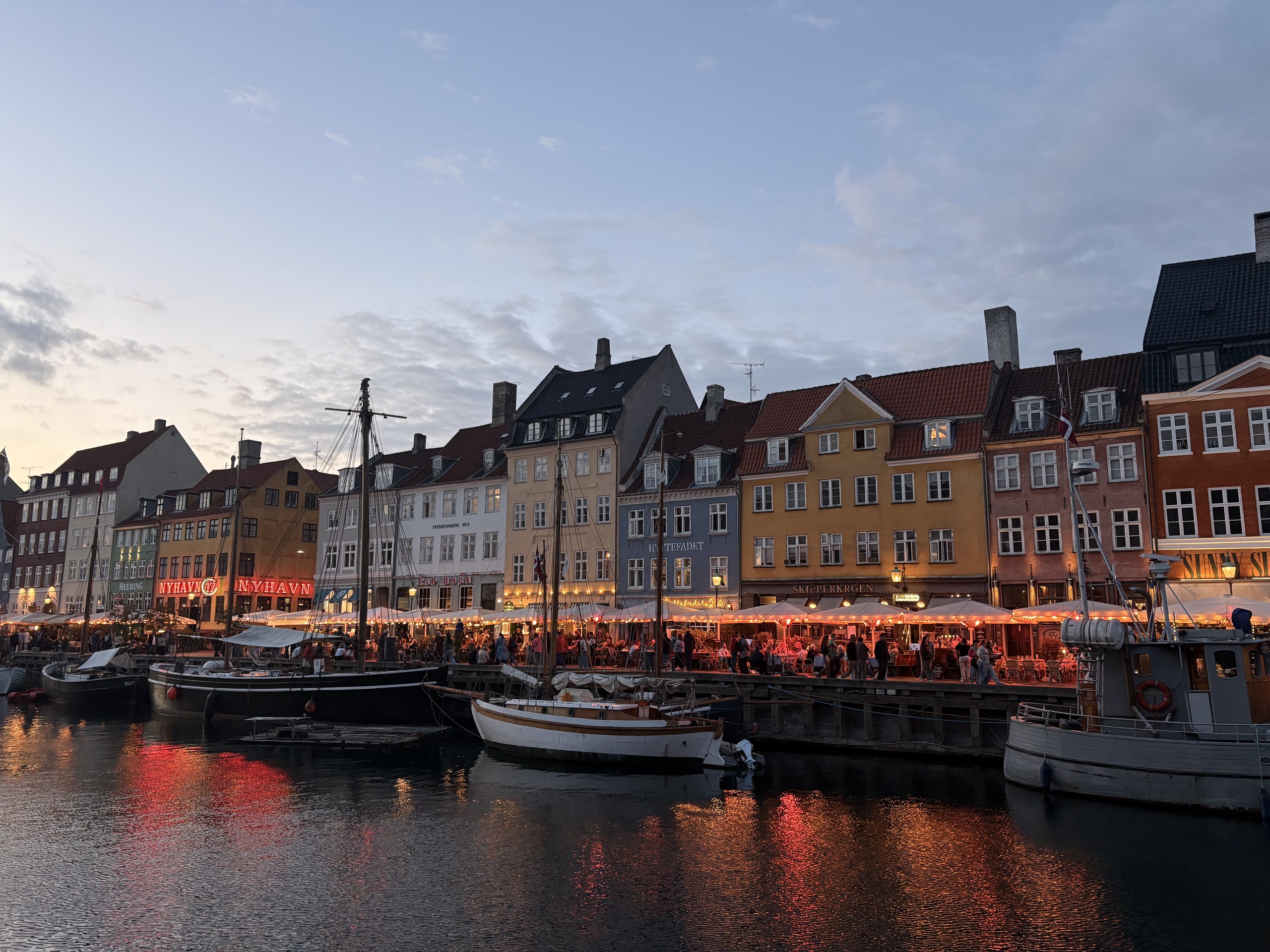
“Just wait until winter.”
It was one of the first things I heard when I arrived in Copenhagen. It was June, 30 degrees Celsius, the sun barely set before 11 p.m. and the whole city looked like it was on vacation along the canals. There I was, charmed by everything, when someone gave me that look people give right before delivering bad news: “Enjoy it. Just wait until winter.”
After that person came others. Danes and foreigners with ten winters under their belts, people I had just met. Everyone talked about winter the same way, half serious, half mysterious, as if it were a character from Game of Thrones. At one point, I half expected someone to hand me a sword.

Credits: Ana Marquez
And honestly? I thought it was a bit dramatic. Because if there’s one thing I know how to do in life, it’s pack a suitcase.
I was a flight attendant for almost three years. In that life, one day you’re in Doha at 45 degrees, and a few days later you land somewhere so cold the ground crew has to de-ice the wings before takeoff. I’d watch it from the window as calmly as you’d watch your neighbor washing his car in the driveway. Cold, to me, was just another layover.
I thought I knew how to pack. My ears disagree.
It was in Chicago, in the dead of winter, snowing. I stepped out wearing my Brazilian winter clothes, the kind that make you feel very proud of yourself back home and nothing covering my ears. First they hurt. They really hurt. Then they stopped hurting and I took that as a good sign. It wasn’t. I simply couldn’t feel my ears anymore.
Did I learn my lesson? Sort of. In Helsinki, Finland, I left the hotel dressed like an onion: two pairs of pants, two pairs of socks, boots, sweater over sweater, a fleece-lined denim jacket, gloves and a beanie. I was cold anyway.
Scandinavians have a saying for this, and they repeat it with a certain pleasure: Der findes ikke dårligt vejr, kun dårligt tøj. There’s no such thing as bad weather, only bad clothing. Translation: it was my fault.
So, for anyone just arriving, here’s what I learned the hard way: tropical country winter clothes are mostly decorative in Scandinavia. That layers are less a fashion choice and more a survival strategy. That waterproof is not optional, and neither are gloves, scarves, or beanies. My ears, naturally, would like to emphasize that last point.
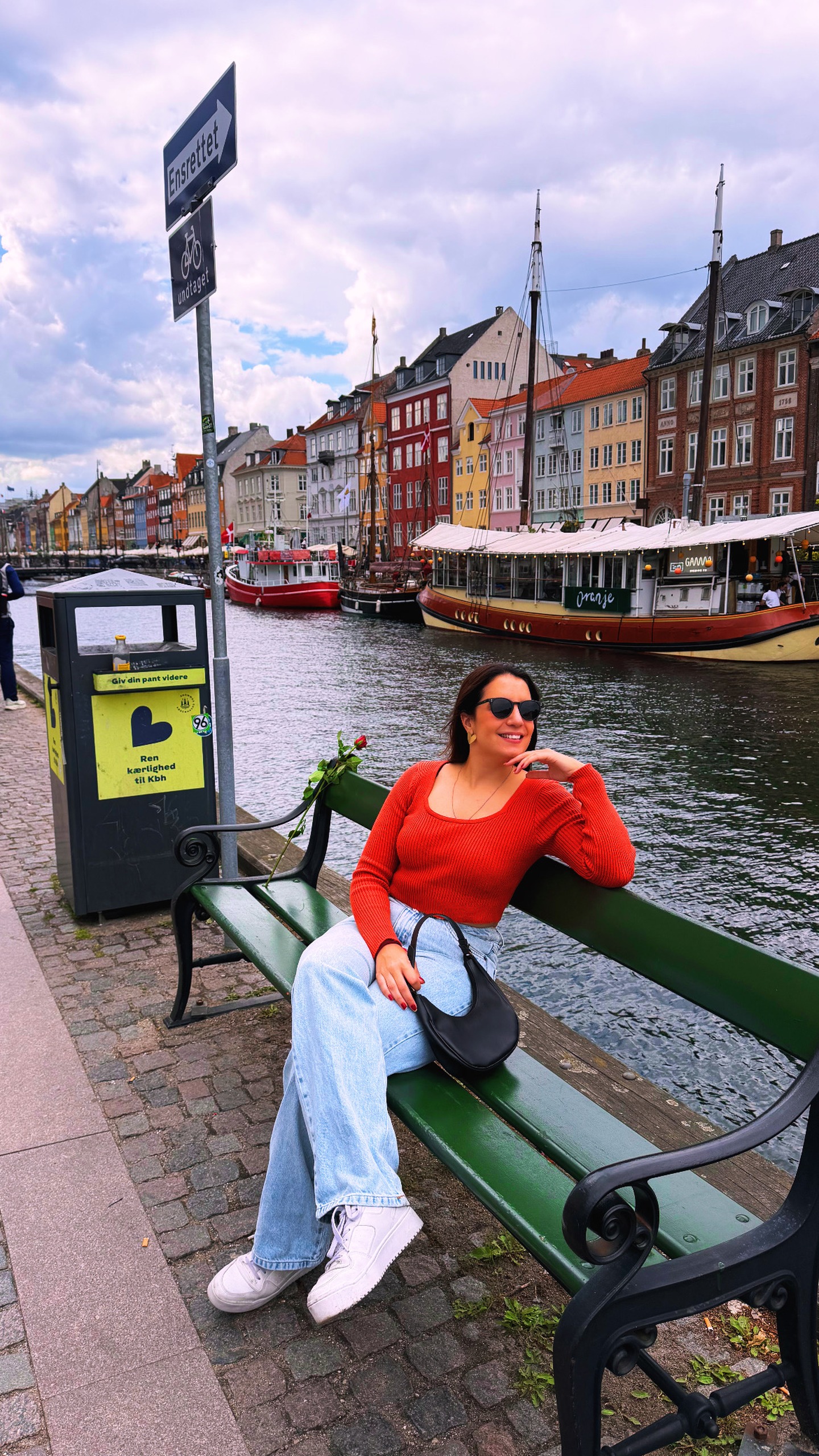
Credits: Pedro Miranda
But the more I talked to people who live here, the more I realized nobody was talking about coats.
I had bumped into this once before, in London, back when I was still flying. It was a cold but beautiful day, and I decided to take a walk in a park. I walked in the sunshine. A few minutes later, it felt like someone had switched off the lights in the sky. I checked my watch: 3:40 p.m. I stood frozen in the middle of the path, feeling like I’d stepped into a different timeline.
But back then, darkness was a layover thing. I’d land, find it strange, and two days later I’d be in another time zone, under another sky.
In Copenhagen, ever since I arrived, nobody has switched off the lights all at once. They’ve been dimming a little every day, like someone slowly turning down the music, hoping you won’t notice. When I arrived, the sky didn’t get dark until around 10:30 p.m., and by 3 a.m. it was already getting light again. I felt like I was living all 24 hours of the day, like I had all the time in the world. Now the sun shows up around 7:20 a.m., and by 4 p.m. it’s already on its way down. I leave a café in the late afternoon, and it feels like the day has already asked for the check.
And it isn’t even December yet.
Somewhere along the way, I started changing with the weather. I’m learning to do what I see Danes doing: make the most of the daylight, go outside even when the sky is grey, and stop waiting for the sun to come out before making plans. It doesn’t mean I suddenly love cold or rainy afternoons. I’m just getting better at living with them, going with the flow or perhaps with the forecast.
That’s when all the “get ready” talk started to make sense. I had spent years packing for the cold, and the Danes were telling me about something else: getting ready for the dark.
Candles lit in the middle of the afternoon. Warm little lights in the windows that, at night, make the whole street look like a dollhouse. Plants, blankets, cushions, soft low lighting, a little bit of bossa nova*. Coffee with friends that starts at three and only ends when someone remembers they need to make dinner. They call it hygge, and I always thought it was just a pretty word for selling mugs and scented candles. It isn’t. It’s how they’ve found to feel at home and at peace with themselves, when it looks far too dark outside, and now I’m beginning to understand why it matters.
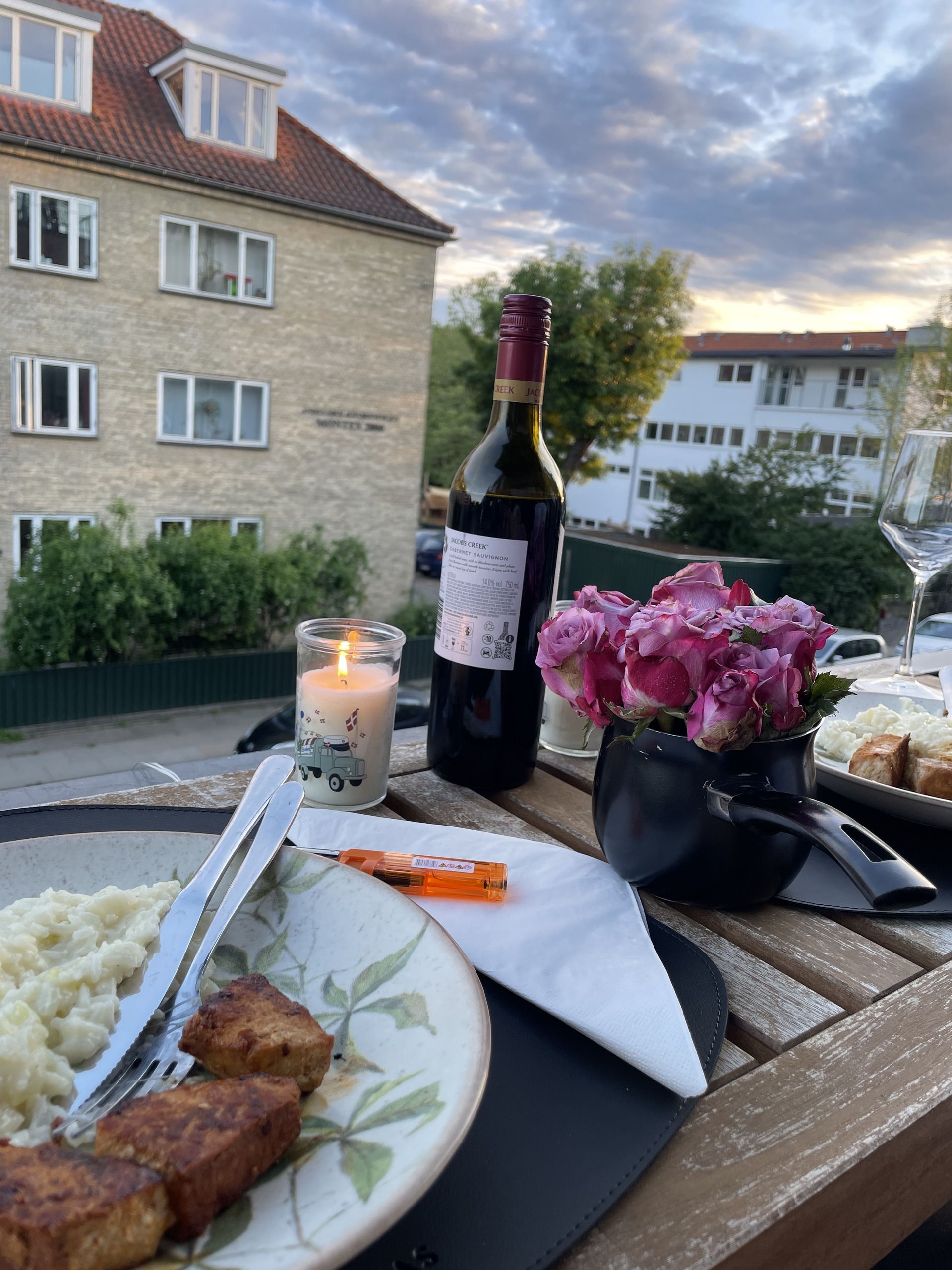
Credits: Ana Marquez
The funny thing is, until recently, I lived in Qatar. There, temperatures climb past 40 degrees for much of the year and we spent our days running from the sun, from shade to shade, from one air conditioner to the next. Now I live somewhere where people chase it.
I still don’t know which extreme is worse. Is it an exaggeration or a necessity? Well, ask me again in February.
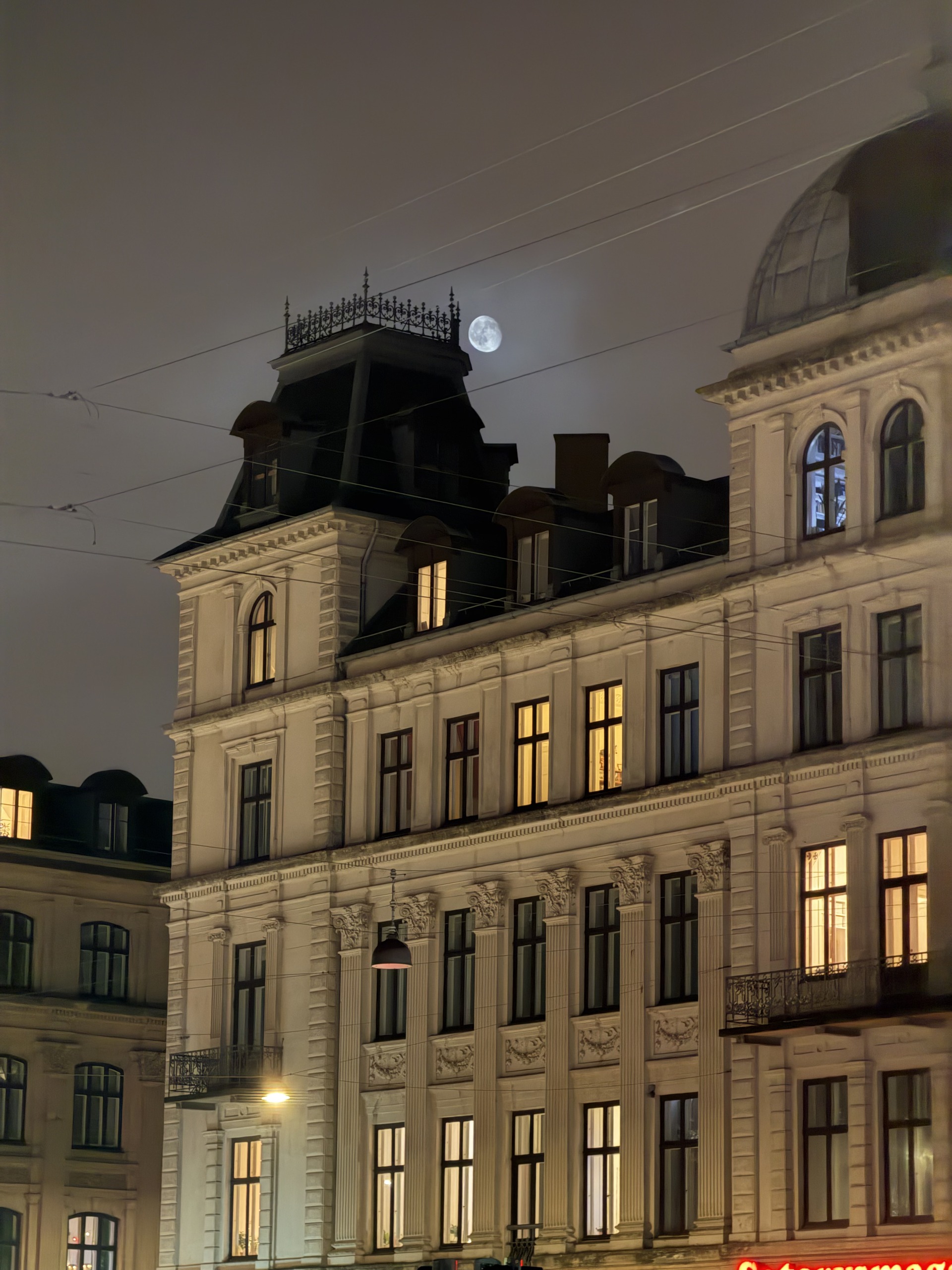
Credits: Pedro Miranda
Either way, I’ve already bought my hygge emergency kit: more candles than any reasonable person needs, warm lights in every corner, a blanket that now lives on the sofa, wool socks, a walk every day while there’s still sun, and a calendar full of people, from a painting club and a journaling paper club to coffee dates that last all afternoon. Because of the dark, I’m learning that it is easier with company. After years of packing for winter, it turns out I’m only now learning how to live through one.
*Bossa nova is a Brazilian music style that emerged in the late 1950s, known for its soft, intimate rhythm. “A little bit bossa nova” lighting is low, warm, and cozy, the kind that calls for some mellow music in the background. Want to try it at home? Light a candle and press play on this bossa nova playlist.