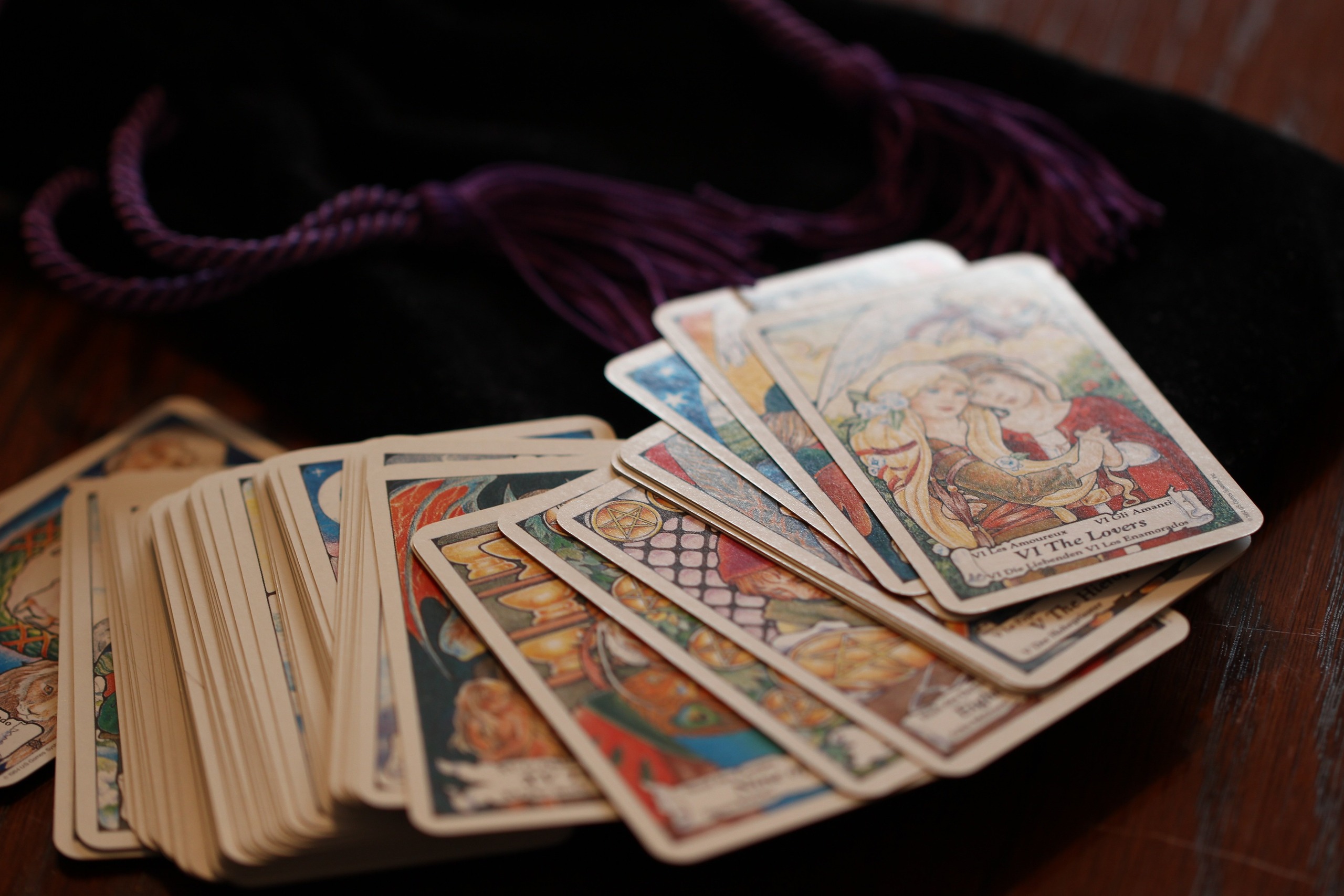
I have two decks of tarot cards – one at home and one perpetually in whatever handbag I am leaving the house with. I briefly studied the meaning behind each card and how to do readings, mostly as an entertaining gag with my friends. But over the past few years, more and more tarot decks are seeing the bottom of Danish girls’ bags, which raises the question: Why is Denmark, as a very secular country, becoming exponentially spiritual?
My first deck of tarot cards I unintentionally stole from my ex-boyfriend, which I felt infused them with some sort of spiritual power fueled by revenge, and has since served me well. In pubs, at parties, over a cigarette, or during crucial, life-changing events, this deck has served its entertainment purpose. The thing is, I don’t actually believe that tarot cards know my future or that my hands reveal how much life I have left to live. However, I’ve come to enjoy the naturalistic spirituality of tarot, full moons, and bonfires. And it seems I’m not alone; in fact, a study from 2023 revealed that 80% of Danes questioned have a large spiritual need. The biggest spiritual need, according to the study, was ‘immersing oneself in the beauty of nature’, which speaks to Danes’ newly sparked interest in naturalistic practices.
Maybe you have also seen a few Tinder profiles sprinkled with astrological signs, warning Scorpio men to swipe left or looking for their perfect Sagittarius. Perhaps you’ve even been forced to download Co-Star and analyze your astrological compatibility on a first date. Yes, I am guilty of that one. On an individual scale, witchiness has undoubtedly made its arrival, but what about on a bigger, organized scale?
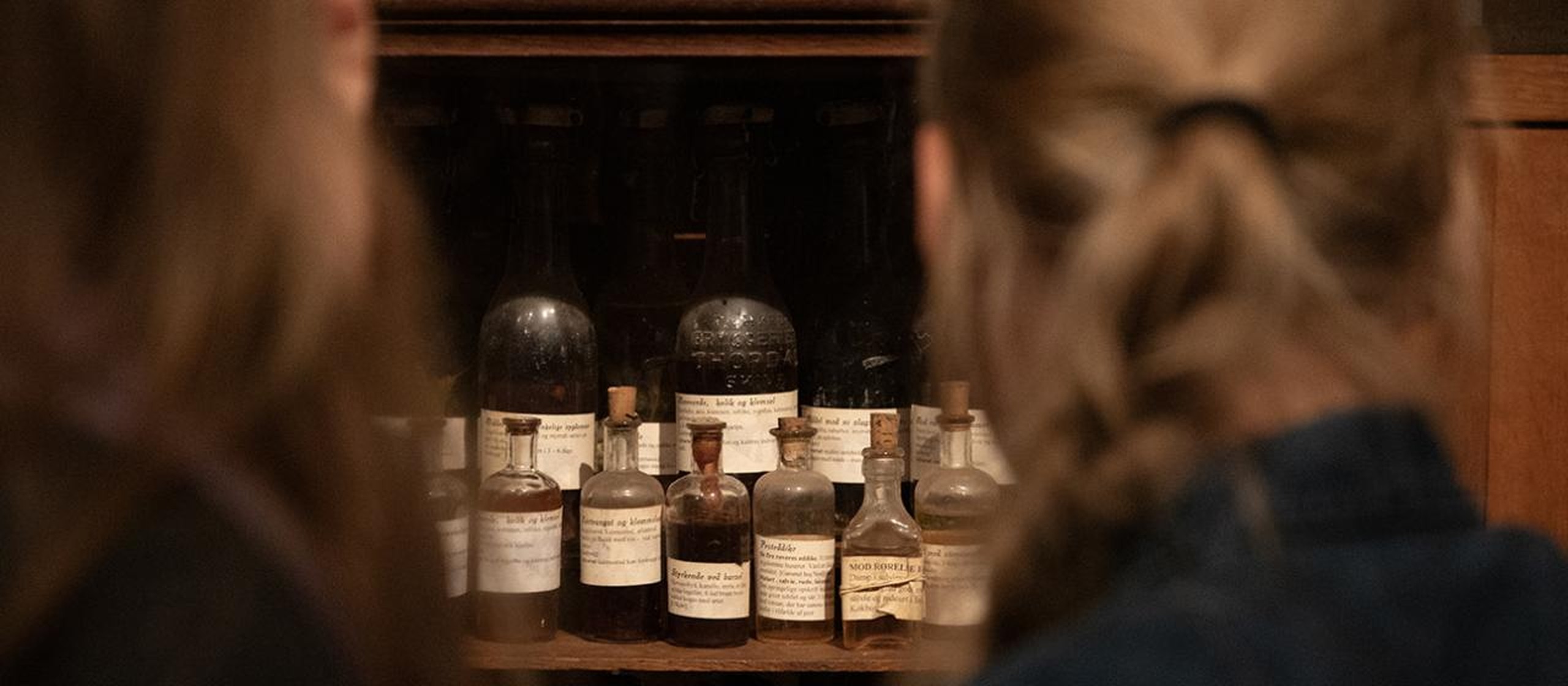
As a secular country, most Danes have not practiced religion at all. Most are baptized, some are confirmed, but very few go to church on Sundays or study the bible. So it might come as a surprise when Wiccan fairs, events, and books are rising in frequency and popularity. If you go to Bodega Danza in the Meatpacking District, you can sit in on an evening of tarot bingo. Until January this year, you could go to Den Sorte Diamant (The Black Diamond) and see their exhibition “Between Heaven and Earth”, and see artefacts from the famous Danish witch, Dannie Druehyld. And throughout the year the union Copenhagen Occult Club hosts witch markets, where you can buy crystals, sage and tools for your rituals.
I see multiple explanations for why Danes have picked up their herbs and moon calendar, and the biggest explanation is anchored in identity. Since COVID-19 closed down the country and everyone was locked away with their own thoughts and boxed wine, a shift has happened. We started knitting, baking, fermenting and seeking respite in nature. God, as an all-knowing and just being, had already been abandoned by most, but then what do we turn to when the world is increasingly nonsensical? Who am I when there are no concerts, friends to meet or an office job to show my identity?
Denmark has a long history of naturalistic beliefs before Christianity, and I think we might be reverting to what we now identify as being truly Danish, or just truly Nordic. Now we want rituals, sacrifices, candles to burn and herbs to collect in nature. We know when the winter solstice is, and quietly care a bit too much about moon phases (I’m looking at you, solar eclipse). It feels like an ancient identity to latch onto, and when all else in the world fails, you can always look at a full moon and feel like there is something else out there, keeping the fabric of the world together. Anyway, between the full moons, you can find me and my tarot cards at the bar.