
Where I grew up in Canada, plastic headstones with bad puns like RIP Anita Nubody or Barry M. Deep are classic Halloween decor. Sometimes the bogus grave markers are accompanied by a skeletal hand or two emerging from the lawn, channeling the horror movie potential of a dilapidated graveyard.
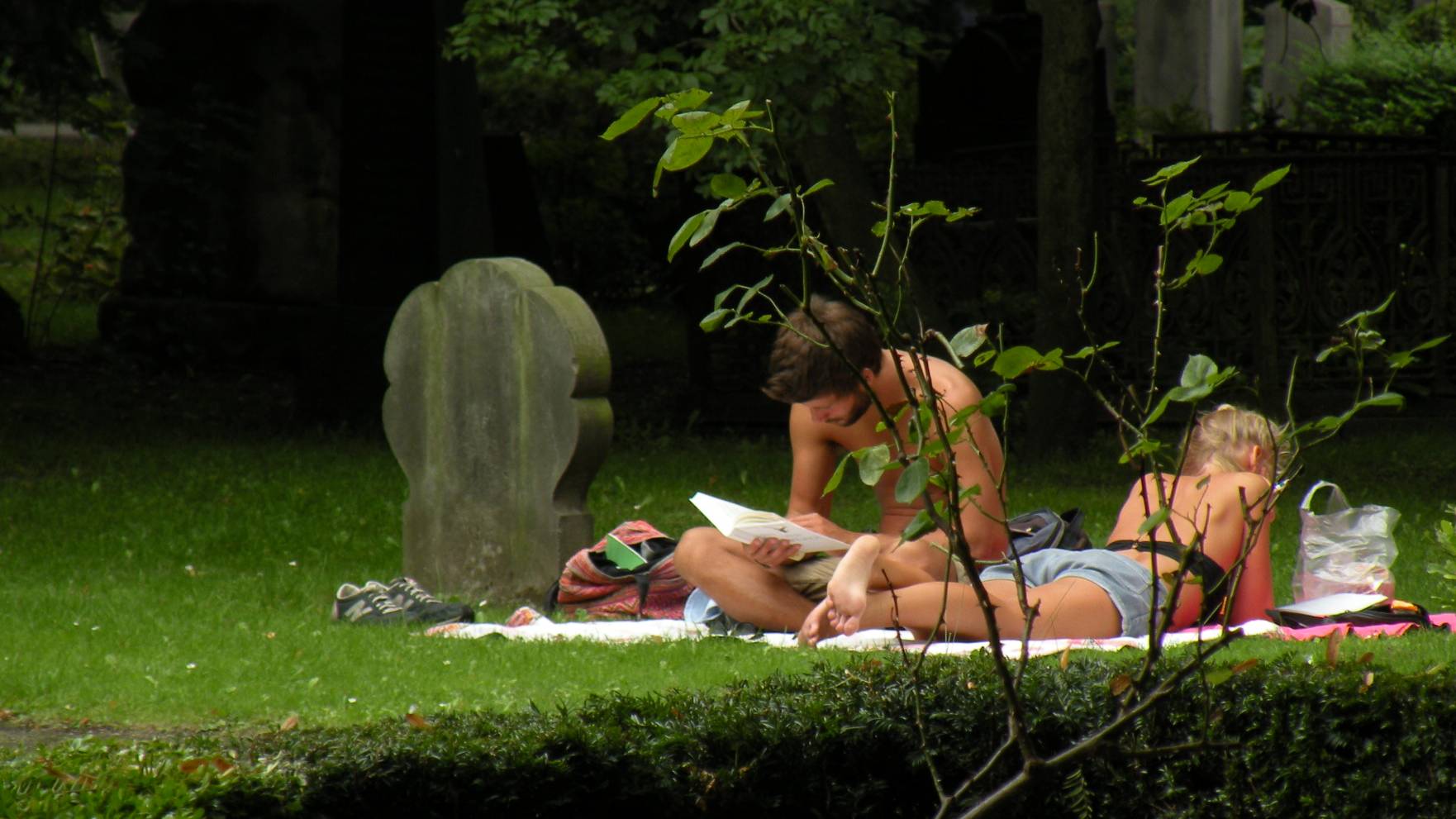
In many countries, cemeteries are creepy. They’re often neglected and unwelcoming, with a hint of spookiness. In Denmark, however, cemeteries are peaceful, but not lifeless or eerie. They’re well-maintained and frequently integrated into residents’ everyday activities. It’s common for them to be recommended in guidebooks and highlighted on tourist maps.
Cemeteries in Denmark can feel more like parks than somber ceremonial spaces. Assistens Cemetery, for instance, is a prime Nørrebro hangout spot. Roskilde Cathedral and its many burial locations regularly feature on lists of Danish destinations to visit. Bispebjerg Cemetery in Copenhagen’s Nordvest neighbourhood is nearly overrun with cherry blossom spotters during the spring. It’s a stark contrast to the isolated and often untended graveyards I’ve experienced elsewhere.
For our two years in England, we lived close to a cemetery founded in 1852. It saw around 3000 burials and had started falling into disrepair when a new cemetery opened in the early 1900s. When I wandered down the dead-end road leading towards it for a look, the grounds felt abandoned. Paths overgrown. Memorials sunk into mud. Tombstones tipped over, many of the names unreadable.
That English cemetery had been designated a local wildlife site in 1992, but there were no birdwatchers. No mourners either. Just moss and ivy and an overall sense of decay.
There’s a cemetery just down the street from our apartment in Denmark. Locals regularly pass through on foot or by bike going to or from school or work. Plenty of residents bring their kids for a bit of exercise, stroll along the alleys with their dogs, or simply enjoy the opportunity for a bit of fresh air amongst the trees.
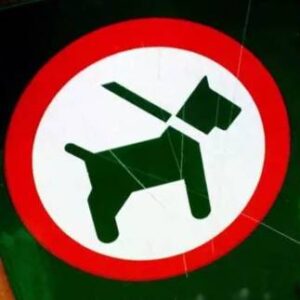
Image source: Laura Matheson
When we first moved to Copenhagen in 2016, I was slightly horrified seeing dogs and their owners walk through cemetery gates. It wasn’t normal. It took me carefully inspecting signage and watching other people blithely roam the pathways to believe that most Danish cemeteries are dog-friendly spaces. Even then, I half expected to be screamed at when passing through with our pup on leash. (To me, the red circle suggests that dogs are not permitted, but this sign actually means dogs on leash are allowed.)
In every other country I’ve lived in (Canada, Germany, Switzerland, and England), cemeteries tend to be out of the way and aren’t thought of as leisure spaces. Danish cemeteries are often interwoven with city streets, giving them a sense of liveliness. It makes me happy and seems pleasant for the families and friends of people resting there, too.
Wandering through the rows of our closest cemetery, I like to examine the stones, the markers, the memorials; it feels like I’m helping to keep memories of the deceased alive. I attempt to puzzle out connections between names and dates. Imagine the histories of parents, children, grandchildren, interlopers who are listed on the same stone. I murmur their names and wonder about their lives.
There’s a saying that’s sometimes attributed (likely incorrectly) to Banksy, the British street artist: “You die twice. One time when you stop breathing and a second time, a bit later on, when somebody says your name for the last time.” I believe that the Danish approach of treating cemeteries as spaces for the living means the dead are forgotten more slowly. There’s more opportunity to connect with those who have gone before — potentially leading to more awareness of the community and its history.
For example, after spotting a stone for Danish silversmith Georg Jensen in my local cemetery, I looked him up and was surprised to learn he started his artistic career as a sculptor and ceramicist.
There’s also the chance for a spot of language learning. Translating occupations on grave markers has taught me that ‘billedhugger’ is sculptor, ‘skibsreder’ means ship owner, and a ‘xylograf’ is someone who does wood engraving. Noticing a single ‘F’ before a secondary last name (like “Karin Madsen f. Karinsen,” in the same manner as ‘nee’ in English) has cemented in my mind that ‘født’ is Danish for born.
Until my Danish vocabulary grew to include the word for ‘peace,’ I found the frequency of ‘Fred’ on stones quite unsettling. I knew it was a common royal name (hello, King Frederik X), but couldn’t fathom why so many Danes bore the moniker. Surely Jens, or Mads, or Lars must be more popular (as proven by Statistics Denmark, they absolutely are).
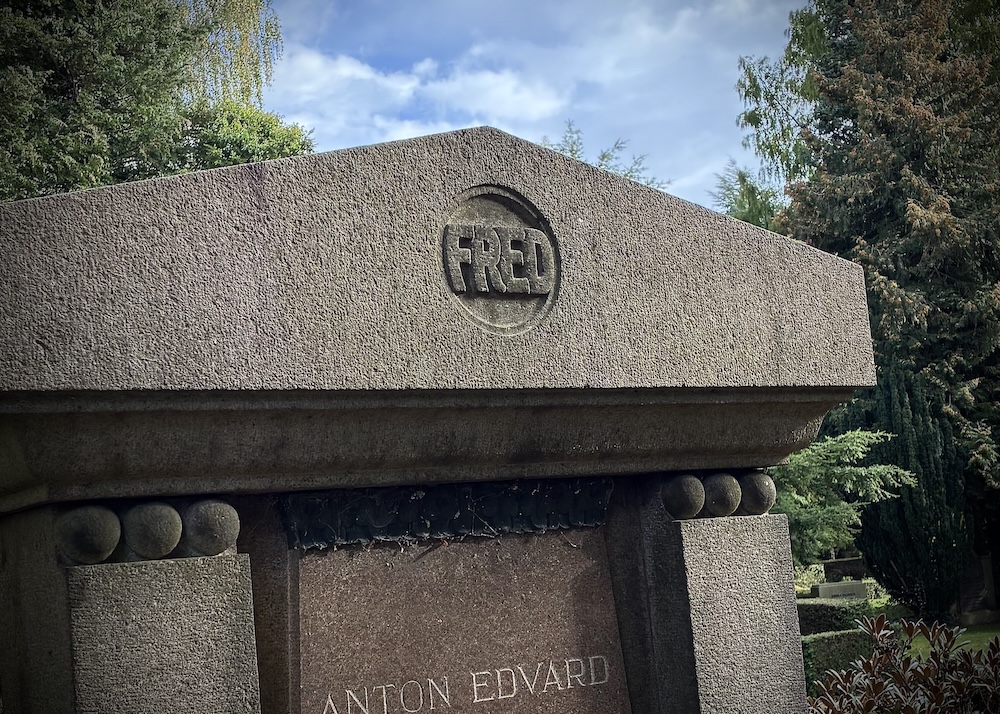
Image source: Laura Matheson
I’m delighted that these family-friendly, commuter-friendly, dog-friendly, hang out-friendly spaces exist. I’m grateful that Denmark values the maintenance staff who clear away rubbish, trim hedges, dig up weeds and plant new flowers, and, of course, prepare the plots and keep the memorials in shape. I’m impressed that cemeteries remain public places, full of life and thoughtfulness.
In the decade since I first moved to Copenhagen, Halloween has skyrocketed in popularity. I’m glad that the spookiness of North American graveyards hasn’t spread to Danish cemeteries, too!