I’ve lived in a few European cities, and from my experience, Denmark is one of the earliest countries to start Christmas decorations and celebrations all over Europe. Basically, Danes do not wait until December. When Halloween finishes, on the second day, you can see a Christmas vibe all over the city. Maybe that’s why, across Europe, Denmark’s Christmas traditions are known more than others, with their magical atmosphere and hygge.
Even though it is a small country, the culture is quite diverse around the landscape, and each region carries a historical way of traditions, such as local folklore, unique customs that create a magical experience for Christmas.
In this article, I will introduce some of these traditions shaped around the regions. These aren’t just quirky, boring facts; these are important details about Denmark’s history.
Jutland: Folklore, Cruel Winters, and Countryside Identity
Jutland has been shaped by its farming roots. Living conditions there are cold, windy, and sometimes darker than in other regions. Because of this, the community shaped different beliefs. Probably you’ve heard before about lovely nisse, right? I even have one in my apartment in Copenhagen, but in Jutland it is quite different. Their nisse is called ‘’gårdbo nisse’’ as the farm protector. And it is not a playful nisse; the Jutland nisse is always serious, stiff, and can punish a household if they do not show their respect.
Even their rice pudding is different in Jutland because they like to keep it simple. Today, families prepare risengrød before Christmas Eve, but in the past, families would prepare it on Christmas Eve and leave a nice portion with a thick layer of butter. If they forgot the butter, it was a huge mistake, and they believed it angered the nisse. When the nisse became angry, it would spoil the milk, damage the household, or bring misfortune to the farm.
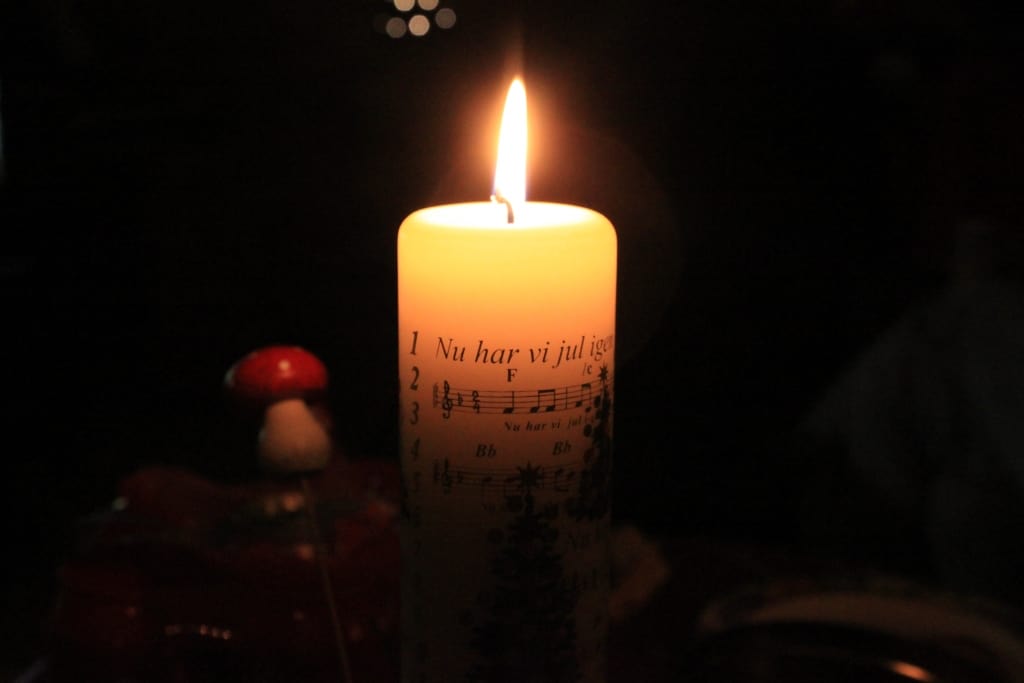
There is one more tradition that comes from Jutland, which is the tradition of lighting a “storm candle” on Christmas Eve. As you can imagine, western Jutland’s coastlines are known for their damage in winter storms. In the olden days, families believed that a single candle could protect them from evil spirits and keep them away during the fearful dark nights. Of course, today the meaning of the candles has changed a lot; now it’s more like a part of the hygge concept around the cities.
And regarding the food, Jutland is more traditional than the rest of Denmark. While Funen and Zealand like risalamande (a more fancy rice pudding with almonds), they still keep it simple and preserve risengrød. It actually tells us that Jutland is connected with the weather, land, and folklore in a more traditional way than other areas of the country.
Funen: The Island of Stories and Community
Funen (Fyn) has been known for its rolling fields and historical villages. It is also the center of storytelling, communities, and artistry, famously the birthplace of Hans Christian Andersen.
That’s why Funen holds a Christmas identity shaped by storytelling traditions. During Christmas days, many families and local centres organize “julefortællinger” evenings, where they come together and read some of Andersen’s tales, share local stories, or talk about mischievous nisser. These meetings shaped their identity in Funen. Some people call Funen the “imagination island” of Denmark.
Luckily, Funen’s nisse is more playful and funny compared to Jutland’s stiff gårdbo nisse. Kids like to play with these ones and make up stories. Based on their stories, children leave extra butter or sugar on the Christmas porridge, and they believe the playful Fyn nisse comes for this and appreciates sweeter offerings. This childlike tradition reveals the island’s folk creativity.
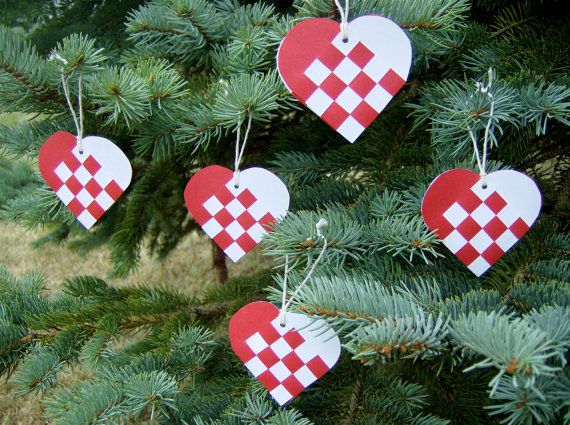
The island also gives space for village based Christmas events like“julehygge aftener”. It is a cozy evening where families craft ornaments, bake traditional Danish cookies, sing carols, and create handmade julehjerter (known as paper hearts). All of these community gatherings create Danish hygge and warmth in Funen. You can see how regional culture improves the holiday spirit by blending creativity and togetherness.
Copenhagen and Zealand: Modern life with Royal Elegance
There is also a more modern side of Danish Christmas, which takes place in Copenhagen and Zealand. The Zealand Christmas shows you can have traditions with modernization; they both live in peace.
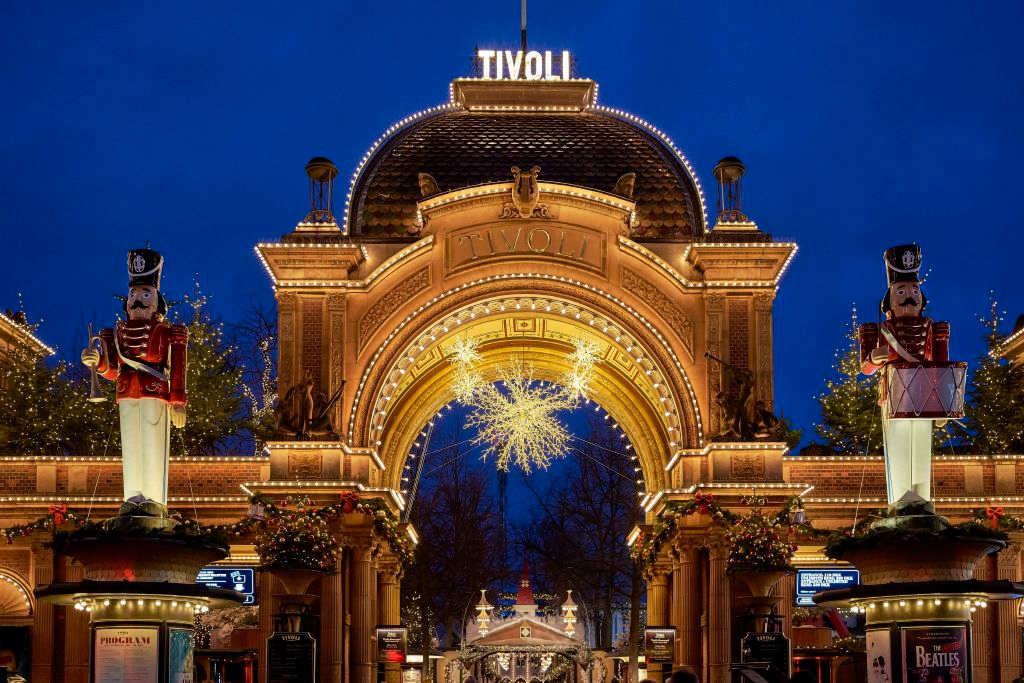
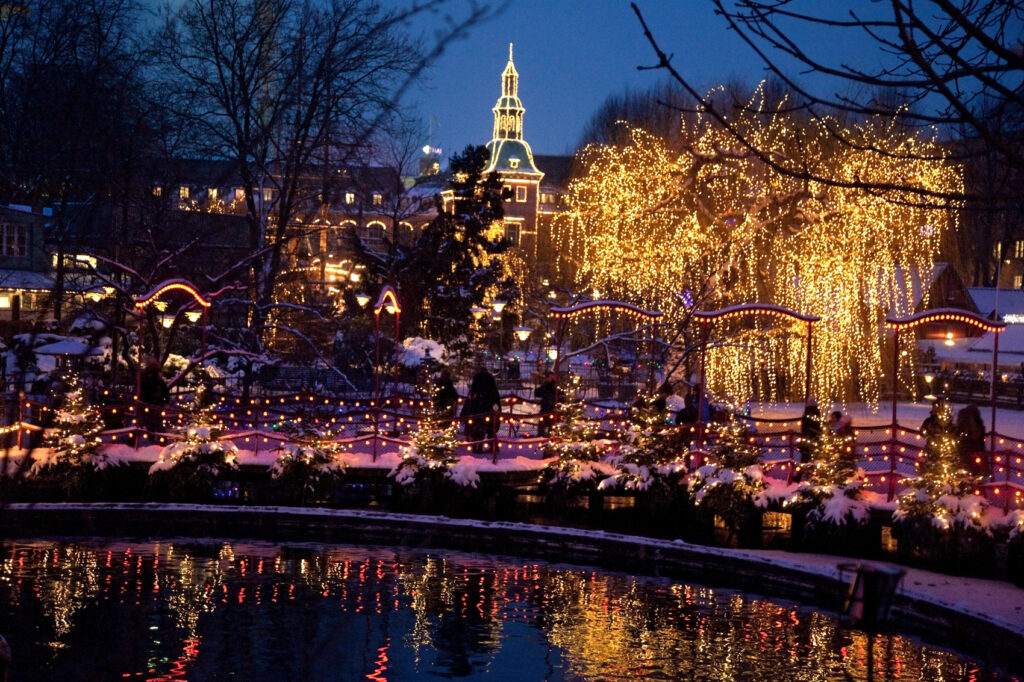
If you are thinking about Copenhagen, you are probably thinking about one of the most popular traditions, which is to go to Tivoli Gardens for Christmas. It has been hosting seasonal markets and creating a new atmosphere with decorations since 1994 and has become the heart of the city.
Zealand also carries some of the influences from the Danish monarchy. The royal family’s Christmas traditions at Marselisborg and Gråsten Palace have been passed down to the present day and still influence modern Christmas celebrations, from seasonal decorations to candles and table settings. Royal traditions do not affect the classic way of the season, but indirectly influence urban families’ focus on being elegant and festive during the season.
There is another unique tradition here in Copenhagen called J-day (J-dag). It was created by Tuborg when they launched the Christmas beer. It started as a marketing tradition and became a huge event around the city where bars host parties, and students wear costumes. I’ll admit, when I first moved to Denmark, I had no idea what it was and thought it was some kind of Danish Halloween!
J- Day is definitely a very playful and urban festival, and quite different from Jutland’s candles or other regions’ traditions. I wonder what could happen if they started celebrating J-Day in other regions, too? 🙂
Southern Denmark (Sønderjylland): Cross-Border Culture with influences
Sønderjylland, which is also known as Southern Denmark, has a border with Germany and a long history shaped by political control, but today we are not going to talk about the history of these borders. We will talk about the influence of cross-border culture because this region has very unique tastes in Christmas traditions. One of the most popular ones is their exceptional baking cultureIt is like Germany and Denmark merged their powers and created the best bakeries.
And of course, the best time of the year to try this heritage blended atmosphere is during Christmas time. The most important custom centers on the historic Sønderjysk kaffebord, which is a table served with more than 20 types of cake with coffee. During Christmas, families bake brunkager with cinnamon, pebernødder, and German-style ginger cookies, which you can see are different from the rest of Denmark. The use of cloves, anise, and cardamom comes more from Central European traditions.
There is one more special tradition there called “Christmas tree party with the community.” It is a kind of social event where children perform some plays, people dance around the tree, and share homemade cookies with mulled wine. You can see the community spirit present in the gatherings, which have a cross-cultural identity. So Sønderjylland is a place where cultural borders create hybrid traditions and make a richer Christmas.
Bornholm: A Baltic Island with delicious smoked dishes
Bornholm is famous for its summer houses in the Baltic Sea as a beautiful, remote holiday island, but it is more than this. Its geography and maritime heritage shaped the Christmas culture just like other regions in Denmark. The island has delightful smoked foods, and this culinary tradition becomes more popular around Christmas time. Christmas meals have smoked herring, smoked salmon, and “Sol over Gudhjem,” which tells of the island’s blend of Nordic and Baltic cuisine.
Have you ever heard about Bornholm’s iconic round churches: Østerlars, Nyker, Olsker, and Nylars? These 4 churches play a significant role during Christmas time. In the Middle Ages, they were built as a kind of protective structure, but now they host candlelit concerts and midnight services, which create historical events and a spiritual journey. This architecture is unique and makes Bornholm different from the rest of Denmark.
The island also has influences from the Baltic region. Some of the families give small presents on the morning of 24 December, which is a tradition similar to those in Sweden or Latvia. It tells how Christmas changes through the movement of people across the Baltic Sea and cultures.
Sharing traditions around the country
Even with all these wonderful regional quirks, Denmark still shares core Christmas traditions like the julefrokost gatherings (Christmas lunches), advent wreaths, and making woven Christmas hearts.
But still, there are very minor differences based on regions. For example, Advent candles in Copenhagen are minimalist, but in Bornholm, they are more rural and based on natural designs. Julefrokost menus are also different: pork is heavy around Jutland, while smoked fish is common in Bornholm. These differences are small but are the heart of Danish culture.
Christmas in Denmark
Denmark has rich traditions across the country with different landscapes, cultures, and local histories. All of these factors over the years shaped Christmas, but one thing was always there: the warm, cozy, and universally hyggelig atmosphere. Whether it is Jutland’s folklore, Funen’s stories, Zealand’s festivals, and bakeries influenced by Germany around Sønderjylland, or Bornholm’s smoked dishes, there is always a Christmas that is unique to Danish culture. These variations are a beautiful reminder of local identities. Understanding these differences is important because we can carry them across generations and ensure that they are preserved.
References:
VisitDenmark Step into Tivoli Gardens this Christmas
https://www.visitodense.com/
whatdenmark.com – Danish Nisse Folklore: Farm Spirits, Gifts and Good Luck
Bornholm Info Round Churches on Bornholm
Wikipedia: Yule and Christmas in Denmark
Wikipedia Risalamande
VisitDenmark 7 delightful things to know about Christmas in Denmark
BBC Hygge: A heart-warming lesson from Denmark
Scandinavian Standard. A Guide to Danish Christmas Traditions.