

Last month, the country was given the chance to vote for which local practices, representations, expressions and skills best represent us. We’ve been taking a closer look at some of the list!
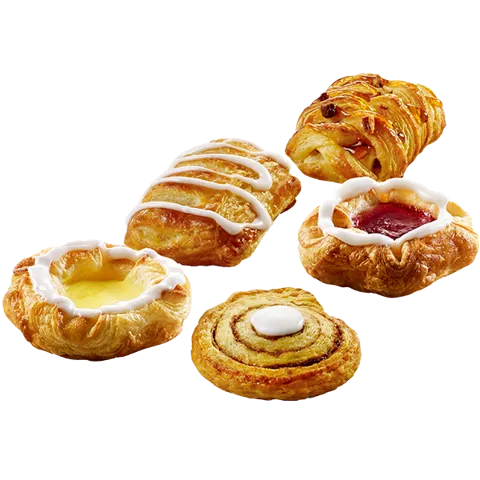
Walk into any Danish bakery, and you’ll be greeted by the buttery aroma of Wienerbrød—a pastry so delicately layered, it’s practically a national treasure. While its name translates to “Viennese bread,” this iconic Danish creation has become deeply woven into the cultural fabric of Denmark, far beyond its Austrian roots. During mid-19th century by Austrian bakers
A Daily Ritual, Not Just a Treat
In Denmark, Wienerbrød isn’t just a sweet indulgence—it’s part of everyday life. Whether it’s a lazy Sunday breakfast, a cozy hygge gathering, or a work meeting (morgenbrød, anyone?), this pastry finds its way into nearly every setting.
According to many people I have spoken with in general, “It’s more than just food. It’s tradition, it’s comfort, and it’s part of how we spend time together.”
From the classic spandauer (a round pastry often filled with custard or jam) to the flaky kanelsnegl (cinnamon snail), each variety tells a story of local pride and pastry craftsmanship.
A Danish Take on a Foreign Classic
Although the roots of Wienerbrød trace back to Viennese bakers brought to Denmark during a strike in the 1850s, the Danes made the laminated dough their own. They added more butter, refined the folding technique, and developed uniquely Danish fillings and shapes.
In Vienna, it was a more subdued affair. But the Danes, well, made it louder—more butter, more layers, more joy.
This reinvention is emblematic of Denmark’s broader cultural ethos: borrowing from elsewhere but making it unmistakably Danish.
The Symbol of Hygge
No discussion of Wienerbrød would be complete without mentioning hygge, the Danish concept of coziness and contentment. Sharing pastries over coffee, wrapped in warm conversation and candlelight, is almost a ritual of its own.
Serving Wienerbrød is a way to say ‘you’re welcome’ and ‘you belong. It’s a small gesture with a lot of meaning.
A Point of National Pride
Despite its foreign name, Wienerbrød is fiercely protected by Danes. Many bakeries still make it by hand, layer by layer, resisting the trend toward mass production. The craft is passed down through generations, and many families have favorite spots they’ve been visiting for decades.
Wienerbrød, or Danish pastry, is a laminated, sweet pastry that originated in Denmark. While the base dough is similar to puff pastry but enriched with eggs and milk, the fillings, shapes, and toppings vary widely. Here are the main types and variations considered Wienerbrød:
Common Shapes
- Spandauer – A round pastry with a center filled with custard or jam.
- Snurre (Snail) – Rolled cinnamon or remonce (butter-sugar) filling, like a cinnamon roll.
- Frøsnapper (Seed Snapper) – A twisted pastry topped with poppy or sesame seeds.
- Kringler – Pretzel-shaped, sometimes large and filled or topped with icing/nuts.
- Tebirkes – Rectangular with remonce filling and poppy seed topping.
- Kanelsnegl – Cinnamon snail; like a cinnamon bun with icing.
- Direktørsnegl (Executive snail) – A richer version of the cinnamon snail with chocolate and marzipan.
Common Fillings
- Remonce – A sweet butter-sugar paste, often flavored with cinnamon or marzipan.
- Custard (vaniljecreme) – Thick, sweet pastry cream.
- Jam (raspberry, apricot, etc.)
- Marzipan or almond paste
- Chocolate
- Raisins
Toppings & Additions
- Icing sugar or glaze
- Slivered almonds or hazelnuts
- Pearl sugar
- Sesame or poppy seeds
- Chocolate drizzle
Traditional vs. Modern
While classic Wienerbrød remains popular in Danish bakeries, modern versions might feature:
- Seasonal fruits
- Cream cheese or mascarpone
- Matcha or pistachio
- Whole grain or spelt variations
Conclusion
In the global world of croissants and cronuts, Wienerbrød stands as a delicious reminder of Denmark’s culinary and cultural uniqueness. It’s more than just flaky dough and sugar—it’s a warm, buttery thread connecting Danes across generations.
So next time you’re in Denmark, don’t just try a Wienerbrød—take part in a cherished national ritual.