
“Our members speak about us as their family”
The voluntary organisation supporting LGBTQI+ asylum seekers and refugees to find their place in Denmark
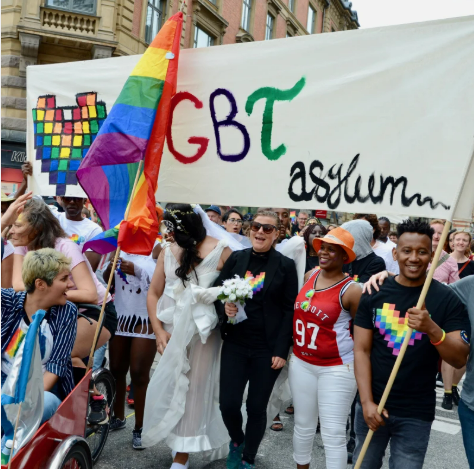
This week is Copenhagen Pride week. The annual event, attracting around 250,000 Danes and internationals, offers a beacon of safety, belonging and hope, however you identify. Amid an unstable and unsettling global landscape for LGBTQI+ rights, Pride events feel even more vital.
Copenhagen Pride has a special significance for one local organisation taking part. LGBT Asylum, which supports and campaigns on behalf of LGBTQI+ asylum seekers and refugees, knows more than most how important, and how elusive, safety, belonging and hope can be. And it all started at the 2012 Copenhagen Pride, when a group of LGBTQI+ asylum seekers and allies decided they needed to organise to create change.
Thirteen years on, LGBT Asylum has built a large network of volunteers who support, counsel, mentor and advocate for the many LGBTQI+ asylum seekers who arrive in Denmark each year seeking refuge. For many, LGBT Asylum volunteers are the first people they have ever talked openly with about their sexuality and/or gender identity. And the organisation continues to provide support after asylum seekers are granted refugee status. Last year, LGBT Asylum welcomed 75 new asylum seekers in their group, while almost 600 people took part in social activities the organisation regularly hosts.
A need for structured support and advocacy
Chairperson and co-founder Mads Ted Drud-Jensen recalls how it all started: “A friend of a friend worked in an asylum centre here. She knew a woman living in the centre who identified as a lesbian and was having a difficult time, feeling really lonely. My friend met with her and it turned out she knew other LGBTQI+ asylum seekers. We all met up and hung out at Pride back in 2012 and decided we needed to form a network that could offer support. So this organisation was very much founded on the initiative of asylum seekers themselves.”
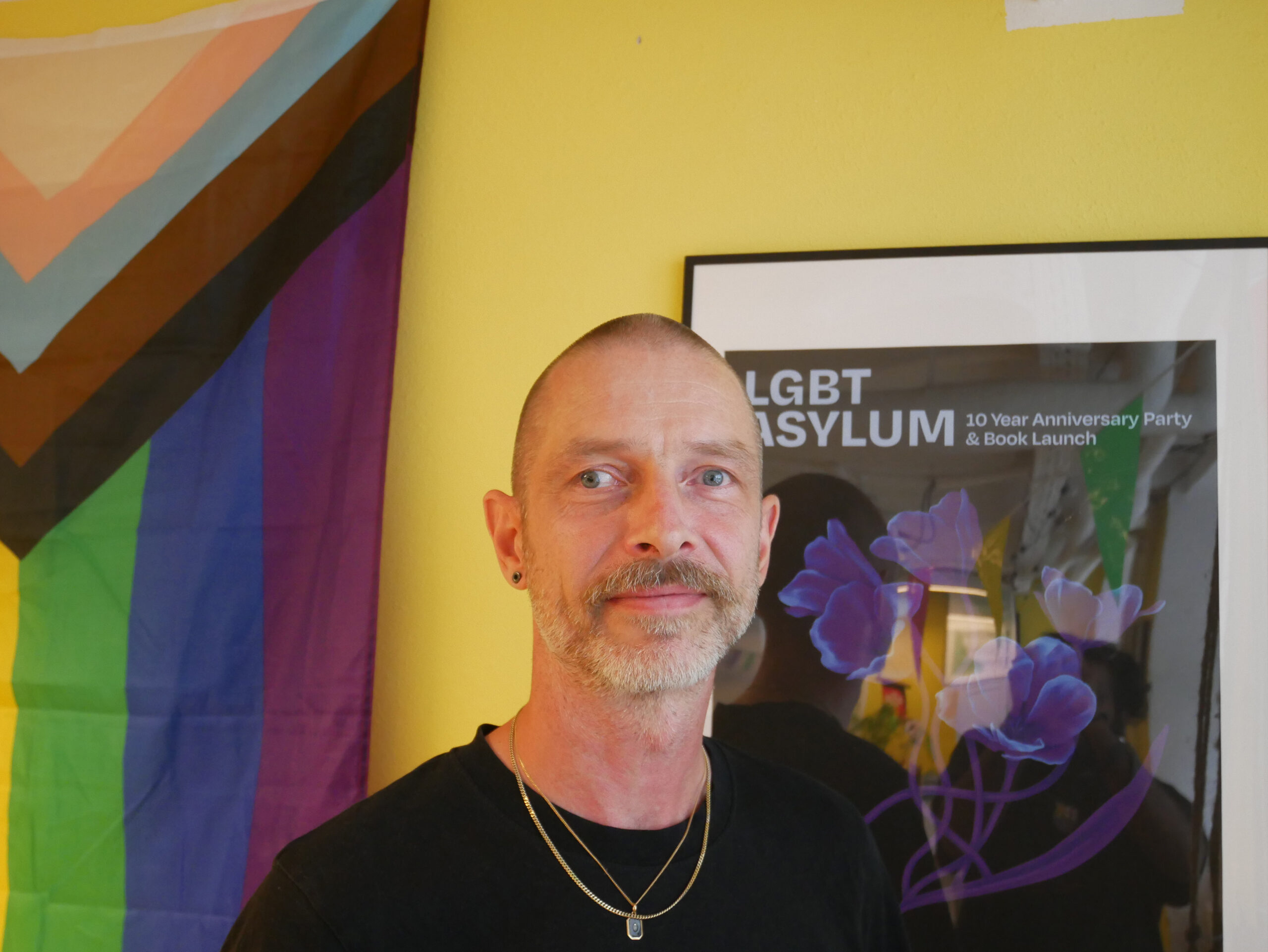
Mads has been volunteering with LGBT Asylum ever since. “We started the network on a small scale providing counselling for people applying for asylum and doing social activities together,” he says. “It soon became clear there was a need for structured support networks and also structured strategic advocacy. Added to that, as the asylum seekers we worked with were being granted residency here, we realised we needed to offer support to them as they built new lives.”
They have noticed “quite a significant increase” in the number of LGBTQI+ asylum seekers approaching the organisation in the past 18 months, Mads says. “We’re seeing a combination of developments in the world that are having a very harmful effect on LGBTQI+ people. Criminalisation and persecution are increasing in some countries, for example in Uganda, Ghana and Russia. We’re seeing a global backlash against diversity, equity and inclusion. At the same time there have been dramatic reductions in the global humanitarian budget. All these factors exacerbate the challenges LGBTQI+ persons face. In many countries it’s becoming more dangerous to be LGBTQI+ so more people feel they need to flee and need international protection.”
A gruelling process
Many people don’t understand the challenges LGBTQI+ asylum seekers and refugees specifically face, Mads says. An important part of LGBT Asylum’s advocacy work has been raising awareness of this. “One of our first slogans we had was ‘LGBTQI+ politics are also asylum politics and asylum politics are also LGBTQI+ politics’, ” he says. “That’s really important to remember. We always have to link these two policy issues. So we’re an intersectional organisation by default.”
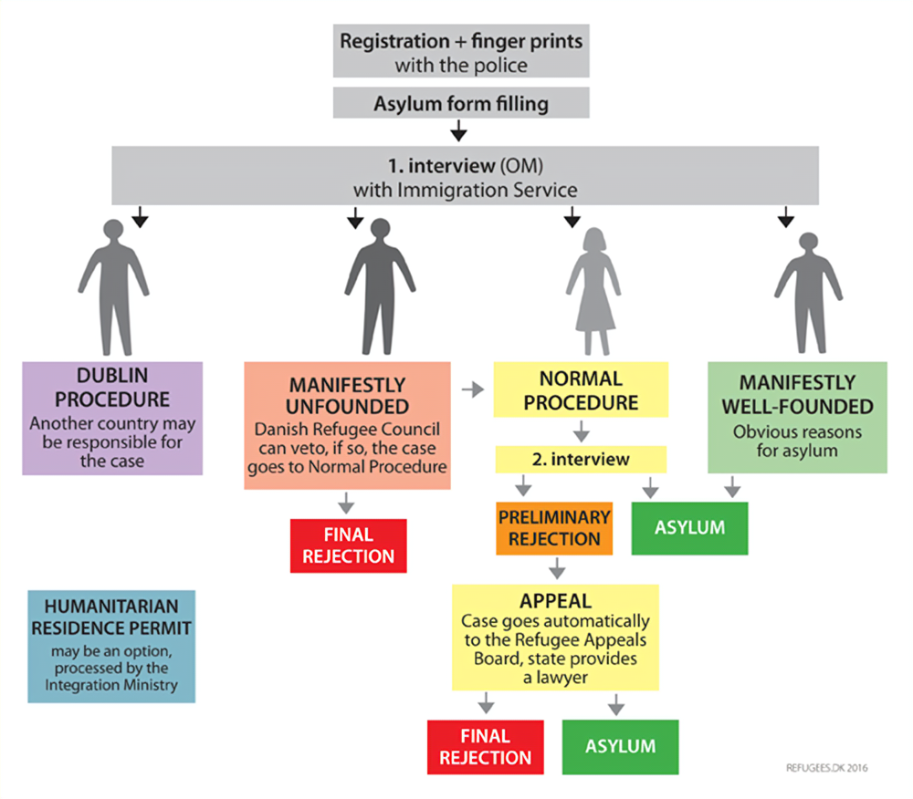
“Applying for asylum is a difficult process that entails going to various interviews with the Immigration Service and presenting your case,” Mads explains. “You will be asked by the authorities why you need protection and why you believe you would be in danger if you returned to your own country. Credibility is crucial. For an LGBTQI+ person who has fled their own country because of their identity, proving that risk to you is even more difficult. How do you prove you’re gay, for example? Yet that is basically what the asylum seekers we work with have to do. You won’t usually be able to produce documents, for example that you were part of an LGBTQI+ network, even if one existed in your home country, because you could be pursued by public authorities, your local community or even your family. You might never have spoken about being LGBTQI+ out loud to anyone. To suddenly then have to tell your story about who you are, the experiences you have had related to being LGBTQI+ – that can be very difficult for people to do.”
Mads says they see cases where an LGBTQI+ asylum seeker’s perceived lack of credibility to the immigration authorities is the key issue endangering their case. “If you’re judged as not credible then your whole case can be disregarded and ultimately rejected,” he explains. “We meet people who cannot bring themselves to speak about their sexuality or gender identity in initial interviews. Then they bring it up later and that can have negative consequences for them as they are seen as untrustworthy.”
“It’s like preparing to sit an exam.”
LGBT Asylum supports people through the gruelling immigration interview process. The initial interview with the Immigration Service can take between 3 and 6 hours, with second and third interviews to follow. “We encourage people to be as honest as possible as early as possible,” Mads explains. “The authorities will look for a coherent story being told across different interviews. They will also look at social media history and ask about previous identity and how you think of yourself. If you have an identity that’s less straightforward or more fluid, like bisexuality or a non-binary gender identity, it can also be more tricky for the authorities to get their heads around. Sometimes we hear of people being asked questions about their knowledge of LGBTQI+ culture, for example the colours of the Pride flag. In the past, people would even be asked to disclose intimate details about sexual experiences in order to ‘prove’ their identity. You are actually not allowed to ask those questions and we see it less frequently now – that’s one positive change we have seen. But all this is why counselling is necessary. Of course we don’t tell people what to say, but we help them understand what’s at stake and give them a space to talk about their story before they are actually in the interview. In reality, it’s like preparing to sit an exam.”
Asylum seekers’ living situations can pose specific challenges for LGBTQI+ individuals that are often overlooked, Mads explains: “While this gruelling interview process is going on, you’re living in an asylum centre with a lot of other people from all over the world, perhaps from the same country as yourself, believing being LGBTQI+ is wrong. You have very little privacy. People are under a lot of pressure so you’re typically in the closet, living day to day with a lot of anxiety. You go to these interviews and you have to disclose everything in the right way. It’s very difficult. You need proper counselling and you need a proper place where you can be yourself in order to navigate that. That’s what we work hard to provide.”
And the work of LGBT Asylum doesn’t stop when an asylum seeker they work with is granted a residence permit. “When you get asylum you can be placed anywhere in the country, as all the Danish municipalities have to take a quota of refugees,” Mads explains. “How do you build a life when you’re all alone in a rural area and also LGBTQI+? Sometimes we hear this political notion that LGBTQI+ people should be able to live anywhere in Denmark and we will say: Ok, but that’s not the reality, and especially not if you are a newly arrived refugee. We need to think about what resources are needed for newcomers in order to build a new life and we know that networks are an important resource, which is a particular challenge as an LGBTQI+ person. We have long argued that LGBTQI+ refugees should be placed in, or close to, major cities with established LGBTQI+ communities and resources.”
“Members talk about this group as their family”
Throughout his 13 years with LGBT Asylum, Mads has seen the strong impact the organisation has had. “It’s really nice to see how far we have come,” he says. “I think we have built a special community that’s been sustainable too. People who come to another country seeking asylum typically come alone, having experienced very difficult situations. They come here and find it’s also very difficult to navigate the system, apply for asylum and find out how to do things in this very new context. This network with other LGBTQI+ persons who may be very different in terms of age, gender, nationality and so on yet have experienced similar things is super important. Quite a few members talk about this group as their family. It’s quite special. It’s very rewarding to be part of that.”
Mads is also proud of the impact LGBT Asylum has had on a national level through their advocacy and campaigning: “We have succeeded in creating awareness of the situation and needs of LGBTQI+ asylum applicants and refugees, creating visibility and a greater sensitivity in the systems that are supposed to provide support. Before, their experiences were just invisible.” Conditions in asylum centres are better for LGBTQI+ people now, Mads says, and they have seen change in the way asylum cases are handled.
Inevitably, emotional bonds are formed between LGBT Asylum volunteers and the individuals they work with. “We work with people who have had a long, very difficult asylum process, hanging in there being at risk of final rejection and deportation,” Mads says. “After being in the system for a long time you go to the court hearing of the Refugee Appeals Board and see that person finally get a residence permit – that is very emotional. Many people in this organisation have made a big difference for other people. You’re part of the community; it becomes part of your identity. We have volunteers who have been active for many years because it’s so meaningful.”
“We are in this together and we collaborate”
The involvement of asylum seekers and refugees themselves in running LGBT Asylum is one of the organisation’s core values. “We have a clear ambition to include everyone in the organisation,” Mads explains. “We have quite a few who started here as beneficiaries and have then become volunteers themselves, as contact people, mentors and community organisers. We also have asylum seekers and refugees on our board. We are in this together and we collaborate. I have friends who I originally met when they were asylum seekers and refugees in the organisation.”
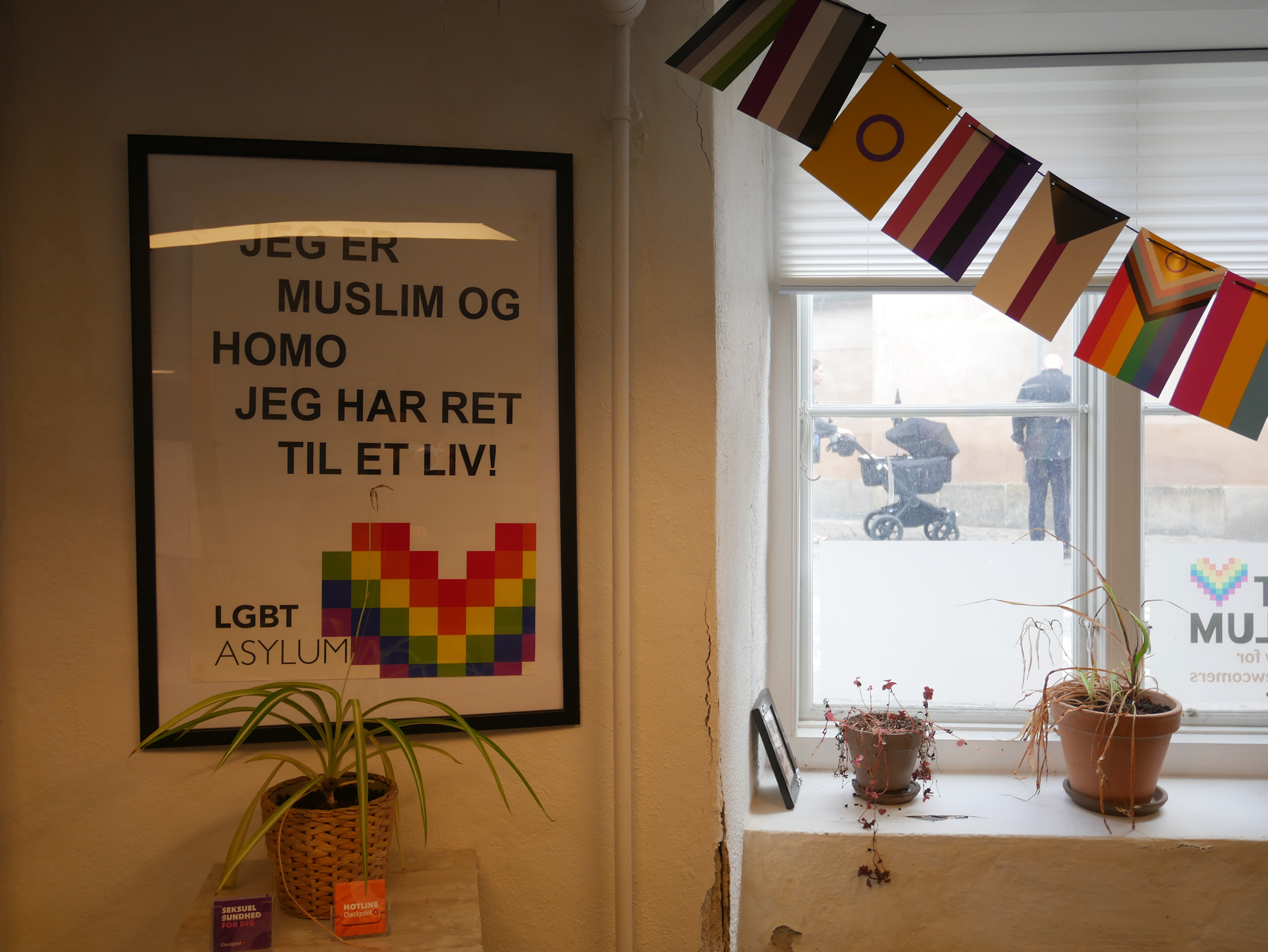
Above all, Mads wants asylum seekers and refugees to be properly valued for what they can bring to Denmark. “Of course the people we work with are facing specific barriers and in a vulnerable position, especially at first,” he says. “But it’s also important to remember we’re talking about strong people with a lot of resources and the LGBTQI+ community is a super important resource. You need a community to build a new life and often that is the only network people have, in the beginning at least. There are real challenges but there are also possibilities being LGBTQI+ because you can connect with people on that basis and use those resources.”
Get involved with LGBT Asylum
Volunteer
More volunteers are always needed, especially with increased numbers of asylum seekers in recent months.
- Danish not essential as English is also used throughout the organisation
- Speakers of other languages are particularly welcome as translators are always needed.
- You must identify as LGBTQI+
- You can be located anywhere in Denmark. Social activities happen in Copenhagen, with some in Aarhus, but remote mentoring is possible.
- You don’t need to have been resident in Denmark for a minimum time before volunteering
- Volunteers are screened for suitability of character and must take part in pre-training
Donate
You can donate to LGBT Asylum here
Read more about LGBT Asylum and their work here
Asylum seekers in Denmark – some facts
- 481 new asylum applications were registered in Denmark between January and March this year
- 2333 people applied for asylum in Denmark in 2024
- Denmark is #23 in the EU for the numbers of asylum seekers it accepts
- Around 25% of asylum seekers are under 18 years old and some are unaccompanied minors
- In 2024, Syria, Eritrea, Afghanistan, Turkey and Iran were the countries with the highest numbers of asylum seekers coming to Denmark
- Denmark currently has 15 asylum centres, all located in Jutland. The Immigration Service decides which centre asylum seekers are placed in. Asylum seekers may be transferred to different centres at short notice and most will live in several while their case is processed.
Source: refugees.dk
The asylum procedure in Denmark