

On a summer evening, the sounds and smells reach you before the view does. The chime of cutlery on plates, smoke drifting from a grill, children running barefoot between hedges, laughter coming out of small, colourful huts. From the outside, you might mistake it for a holiday village. In truth, you’ve stepped into a Danish kolonihave: an allotment garden where city dwellers create their own little paradise, just a few steps away from the rush of traffic.
If you’ve ever walked past these pocket-sized garden villages and wondered what they are, the answer stretches nearly two hundred years back, to a time of hunger and reform.
Born from Poverty and Reform
The first gardens appeared in the early 1800’s as fattighaver: poverty gardens. Denmark’s growing cities were tough places then. Families lived crammed into small apartments, food was scarce, and taverns often served as the only escape from factory life.
Officials came up with an idea that was both practical and bold for its time: give workers a patch of soil. A place to grow vegetables, breathe fresh air and keep families occupied. By the 1820’s, towns across the country had begun setting aside land for just this purpose.
As industrialization accelerated, associations were formed to manage the plots. Workers might spend their working weeks in soot and noise, but on weekends, they could step into sunlight, dig up potatoes, and watch their children play. And in hard times, whether during the World Wars or years of economic struggle, a basket of carrots or cabbage from the garden could turn a bare meal into a proper supper.
A Patch of Soil, A Place of Joy
By the mid-20th century, Denmark had changed. Supermarkets lined the streets, wages were rising, and families no longer relied on their gardens to survive. What happens, then, when a survival garden is no longer about survival?
Slowly, the gardens took on a whole new meaning.
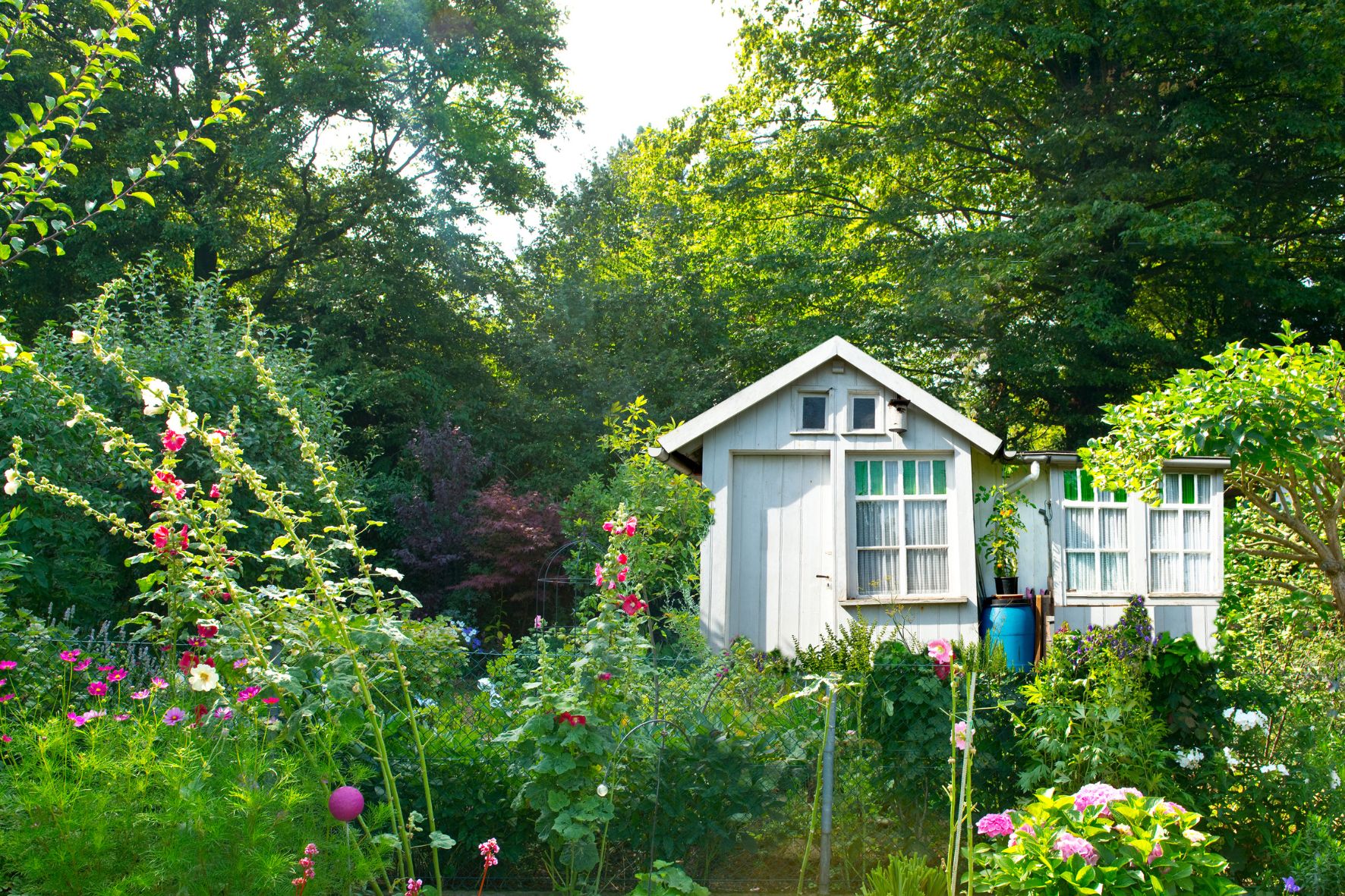
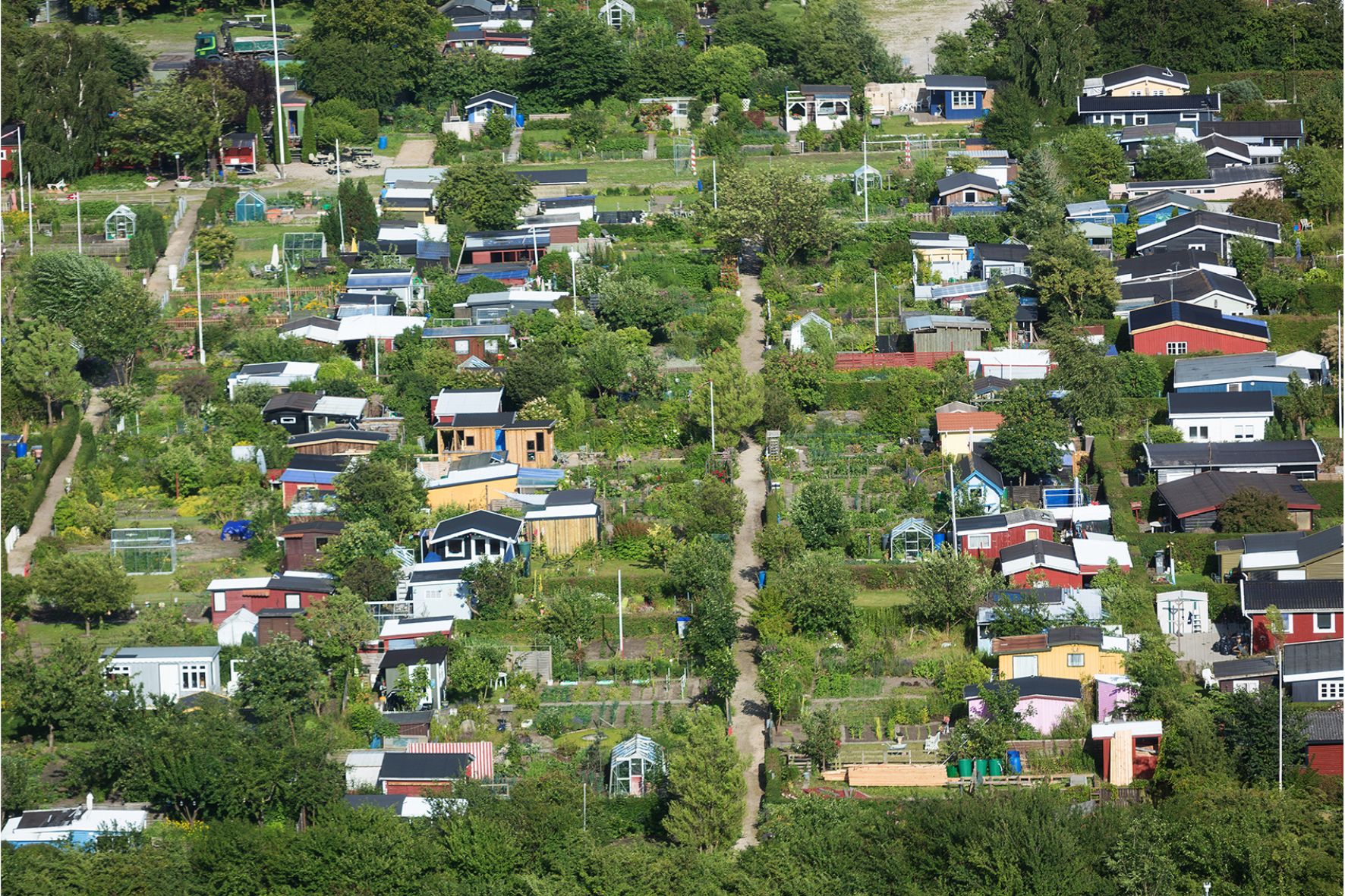
At the edges of cities and along railway lines, families made these once-functional plots into small sanctuaries. The houses were tiny, often no more than 20 to 40 square meters by regulation, yet they still held porches, sleeping lofts, and little kitchens. The gardens were just as modest, squeezed into leftover land near motorways or industrial zones. Still, people gave them life: they painted the walls in bright colours, and planted roses, beans, and strawberries. Officially, these garden houses were never meant to be permanent homes, but in reality, they became summer refuges: places for barbecues, midsummer parties, or hammocks swaying in the shade.
Today’s Kolonihaver: A Quiet Revolution
Today, kolonihaver are some of the most coveted spots in Denmark. In Copenhagen, Aarhus, and Odense, waiting lists can stretch for years. A hut here might cost as much as a city flat.
The people who cherish them are no longer just factory workers. You’ll find architects sketching on porches, teachers pulling weeds, retirees tending roses, and young parents pushing prams along gravel paths. They’re not chasing luxury: they just want a bit of soil and some peace of mind.
Behind those fences, a very Danish way of life has taken root: tomatoes ripening on the vine, porches glowing with candlelight, the do-it-yourself spirit, and the special kind of hygge that Danes prize but rarely can explain. Each garden community governs itself. Neighbors lend lawnmowers, share strawberries, and discuss compost rules at annual meetings. It’s democracy played out in garden boots and community halls.
Beyond Nostalgia: Green Futures
At first glance, these garden villages might look like nostalgia, all roses and painted huts. But in today’s crowded cities, they do much more. Kolonihaver bring fresh air into the urban landscape: they cool hot summers, give pollinators a home, and offer people a gentle pause from city life.
Unlike many countries where allotments have been built over, Denmark has chosen to protect them. Legal reforms have folded them into urban planning. Here, gardens are not spare land waiting for development: they’re part of the heritage.
Seeing Denmark Through the Garden Gate
For internationals, kolonihaver are more than a charming curiosity. They open a window to what really matters in Danish life: turning hardship into joy, finding happiness in simple things, and growing community not just from law, but from soil.
They also help explain a paradox many newcomers notice. In the city, Danes can seem reserved. But step inside a kolonihave, and the walls come down. Neighbors swap seedlings, lend tools, and invite you to a bonfire. If you’re looking for real connection, forget the formal networking events. The real Denmark might be waiting at a garden gate.
The history of the gardens is tangled up with the history of Denmark itself: born out of struggle, yet now blooming with beauty. Introduced as a modest reform, the gardens have become one of Denmark’s most treasured traditions. And it has been shaping how people spend their free time and picture “the good life”.
So the next time you pass a cluster of huts buzzing with summer joy, take a moment to look closer. Those huts are more than garden sheds: they’re pieces of living history.