

Greenland has spoken. The 2025 parliamentary elections weren’t just about domestic policy or political rivalries; they were about the future of a nation that the world suddenly can’t stop talking about. This vote was a referendum on independence, foreign influence, and Greenland’s place between Denmark and the superpowers circling the Arctic.
The winner? Jens-Frederik Nielsen’s Demokraatit, a center-right, pro-business party that surged from a minor role to first place, taking 10 seats. Their stance? Independence is the endgame, but first, Greenland needs a functional economy that doesn’t collapse the moment Denmark’s 3.7 billion DKK annual subsidy disappears. Second place went to Naleraq, a fiery left-wing nationalist party demanding independence as soon as possible, arguing that the longer Greenland waits, the more foreign powers will dictate its future. The two former ruling parties (Inuit Ataqatigiit and Siumut) were dealt heavy losses, signaling voter frustration with their cautious, slow-moving approach.
So, what happens now? Nielsen is forming a coalition, but the balance of power has shifted. For the first time, every major party in Greenland agrees on the destination, but they differ on how to get there. The debate is no longer whether Greenland should become independent, but when and how.
International reactions have been swift. The United States is watching closely. Trump’s bombastic statements, ranging from economic takeovers to military posturing, did not sit well with Greenlanders, who largely rejected any hint of U.S. control. But make no mistake: Washington is still in play. The U.S. wants Greenland’s resources, airspace, and military access, and it will likely court the new government with investment deals, strategic partnerships, and pressure.
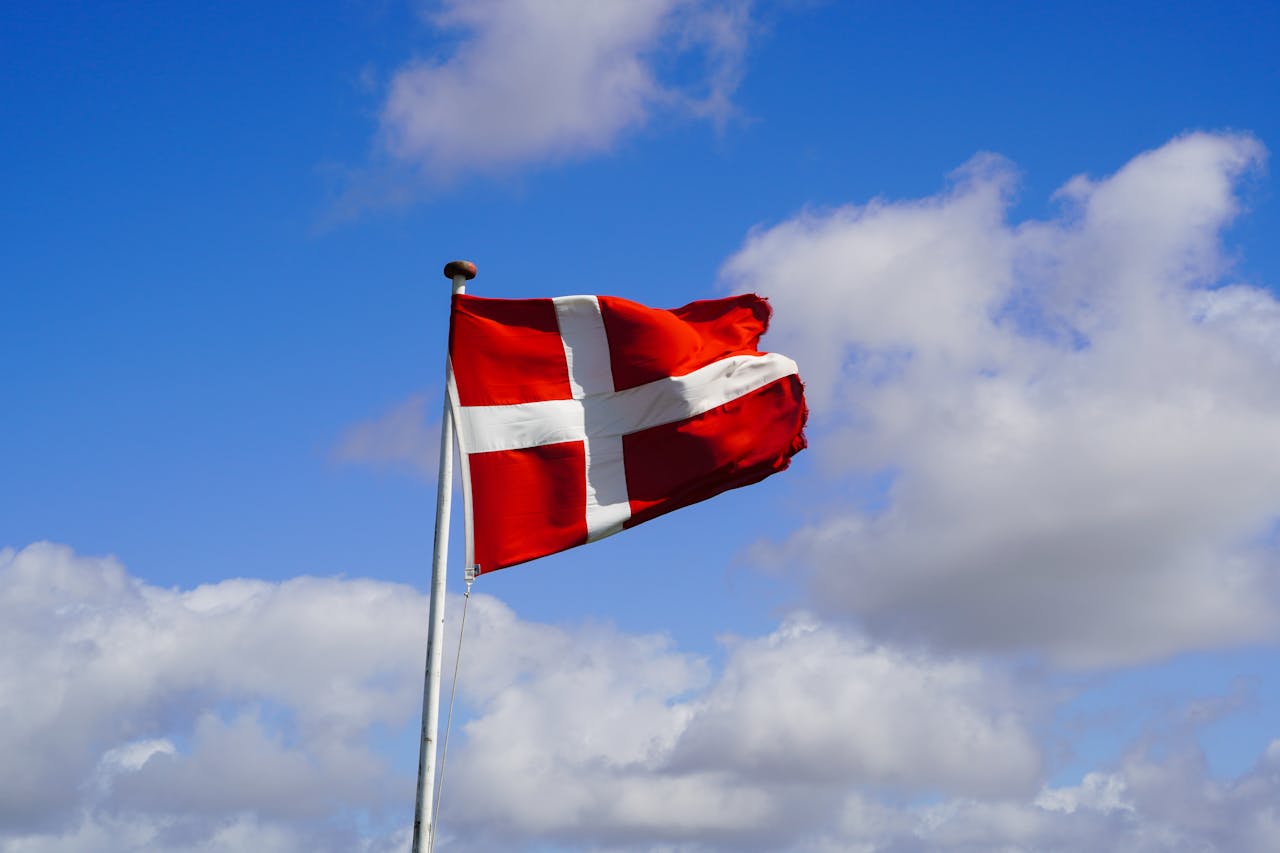
Meanwhile, Denmark is in damage control mode. Prime Minister Mette Frederiksen reaffirmed Greenland’s right to self-determination, but let’s be real – Copenhagen is nervous. Losing Greenland would be a geopolitical earthquake, cutting Denmark’s landmass by 97% and forcing a painful negotiation over economic ties, defense, and Arctic representation. To prevent a rapid breakup, Denmark will likely offer Greenland a better deal, more autonomy, and perhaps even a new constitutional arrangement, to keep the relationship intact a little longer.
The bottom line? Greenland is entering a new era. This election has set the stage for a real independence process, whether that means an official referendum in four years or a long, gradual separation from Denmark. The world isn’t just watching; it’s moving in. The Arctic is the new frontier of global competition, and Greenland just became the hottest territory in the game. One thing is certain: Greenlanders are determined that they, not the superpowers, will decide what happens next.
Thank you for reading and sharing Last Week in Denmark!