

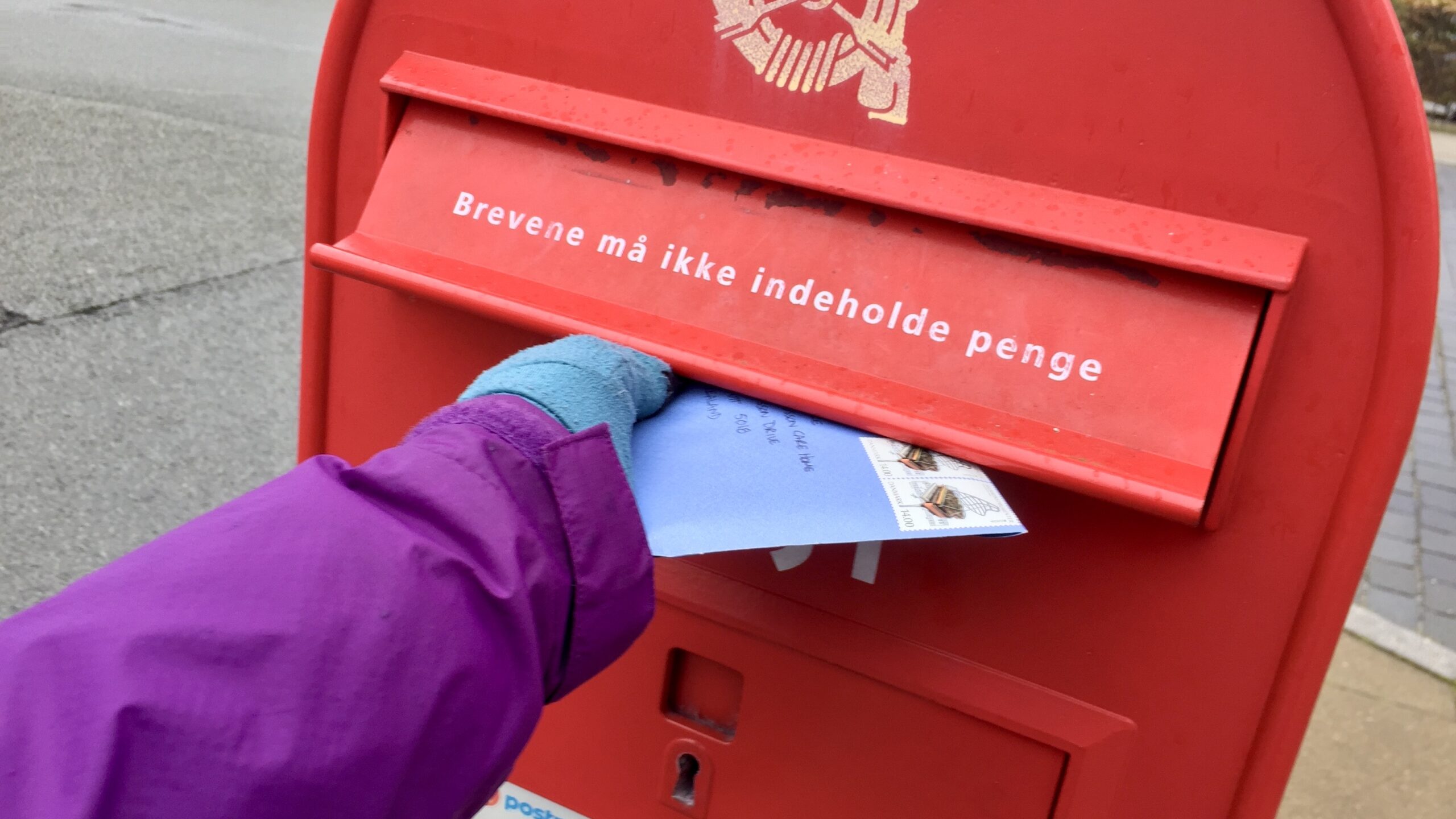
I’m big into sending cards. For birthdays, in sympathy, celebrating new homes or babies or educational achievements — and particularly passing along holiday wishes. I’ve kept a spreadsheet of Christmas cards sent and received for a dozen years, during which I’ve lived in Canada, Germany, Denmark, Switzerland, and the UK. Peak postal outlay came in 2021 when we lived in Zurich: 45 cards with destinations like Denmark, Norway, Germany, England, Australia, Japan, and across Canada from Vancouver on the Pacific Ocean to St John on the Atlantic. Feeling connected was of even greater importance during the era of social distancing and travel restrictions.
And that’s what mailing cards, notes, and letters is all about for me; staying connected. Letting people I might not be in touch with all that often know that they’re in my thoughts and heart and that our relationship is worth putting pen to paper, purchasing a stamp, and trekking to a mailbox.
Mailing all those cards (my list this year is still over 30) gets pricey, particularly in Denmark. PostNord has been charging 50 DKK to send a standard-size envelope internationally. For comparative purposes, here are the current international stamp costs in other countries I’ve lived in, with rough conversions to Danish currency:
- Royal Mail (UK): £3.40, about 30 DKK
- Swiss Post: CHF 2.50, about 20 DKK
- Canada Post: $3.83, about 18 DKK
- Deutsche Post (Germany): €1.25, about 10 DKK
Through the years, I’ve gotten creative trying to reduce the cost, which hasn’t always gone well. In 2024, I filled out my Canada-bound cards while in Vancouver in October, leaving them with my parents to mail closer to Christmas — and the postal service went on strike in November. My Christmas wishes reached Canadian friends and family in early 2025.
While living in the UK, we took a Weihnachtsmarkt (Christmas market) focused trip to Hamburg, and I brought all the cards destined for European addresses to mail with Deutsche Post. I’d neglected to consider size differences between postal systems and about half of the UK-purchased cards were big enough to be considered ‘large letters.’ Paying for non-standard stamps pretty much erased any fiscal savings.
While Deutsche Post is undoubtedly the cheapest, its service is not bargain basement. In my experience, the German postal service exceeds expectations by delivering across Western and Central Europe in just a couple days. Swiss Post is particularly notable for its speedy in-country service. Pop something in the mail on Monday evening in Zurich and there’s a strong chance it will arrive in Geneva, Bern, or Basel on Tuesday.
Unfortunately, my personal experience with PostNord has been the opposite. Even within the country, I’ve been surprised by how long it can take a card to arrive. But I have been delighted with the ease of using PostNord’s digital stamps for in-country and international post. No need for a physical stamp, just buy postage online or through the app and get a code to write in the upper right corner. The code has the additional benefit of confusing recipients in other countries who can’t fathom how an unstamped, unfranked envelope reached them.

Thankfully, digital stamps are also possible with Dao, which is taking over lettermail delivery in Denmark. (Dao is also dropping some øre from the cost, with international postage going to 46 DKK.) PostNord’s final letter delivery at the end of 2025 marks the state-run postal services’ exit from handling letters on the heels of a governmental shift. The obligation to provide universal service (meaning ensuring delivery to every address across the country) ended when the current Danish postal law came into force on January 1, 2024.
So far, my local mailbox remains, but PostNord’s collection points (not quite as iconic as the British postboxes, but still easily recognized) are starting to disappear from Danish streets. If you want to hang onto a piece of postal nostalgia, PostNord has donated 12,000 used mailboxes to Danmarks Indsamling to sell. Sales start December 15, 2025 and the proceeds will benefit Danmarks Insamling (an annual fundraising campaign organized by 12 Danish humanitarian charities).
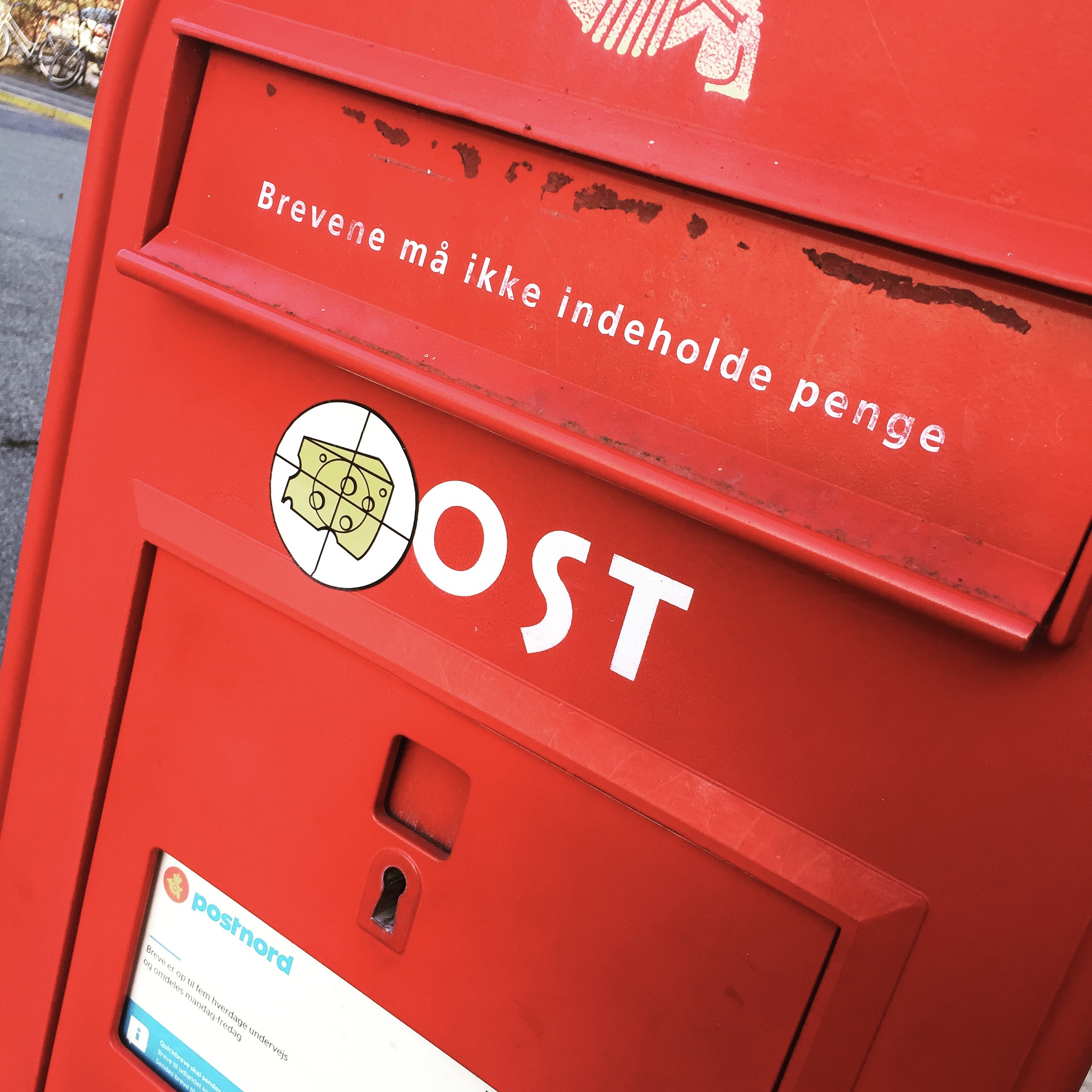
It’s not just Denmark seeing radically reduced volumes of lettermail as more and more communication goes digital. Postal services in Canada and the UK are struggling with their legal requirements to provide cross-country service — and will be watching closely to see how the transition away from universal service plays out in Denmark.
I know my habits are atypical and I’m among a minority sending cards by post. But I’m heartened that I’m still able to send holiday wishes to relatives and loved ones near and far, although I might take a more critical eye to next year’s Christmas card list.
How to Send Letters in Denmark in 2026
With PostNord collecting its final piece of letter mail on December 18, 2025, Dao has already started its lettermail service. The process is much the same as with PostNord:
- Purchase postage on Dao’s website or through the Dao app (available through the App Store or Google Play)
- Put the recipient’s address in the center on the front of the envelope
- Write the postage code in the upper right corner on the same side as the address
- Drop your addressed and stamped (or coded) envelopes in the red Dao box at your local daoSHOP
Lettermail Tips
- Watch the weight. Dao has two weight categories (<100g and <250g) with different pricing for each (46 DKK and 96 DKK, respectively for international addresses). Anything heavier has to be sent as a parcel.
- And the dimensions. As I learnt with Deutsche Post, a few centimeters can be costly. Each piece of lettermail must be at least 14cm x 9cm x 0.1cm and no more than 33cm x 23cm x 1cm); anything larger must be sent as parcel post.
- Opt for domestic or international. Its a binary choice between Denmark and abroad for price, with letters delivered in Denmark costing either 23 DKK or 46 DKK, depending on weight.
- Bulk buy (if it makes sense). If you’re sending dozens of items, it could make sense to purchase letter marks (aka physical stamps). Dao sells these in sheets of 64, and you’d then stick on the stamps rather than writing a whole bunch of codes.
- Know the hours of operation. Unlike traditional mailboxes, where you can drop off post any time of day or night, accessing a Dao box requires the delivery/pick up location to be open, and some shops have strange hours. One location near me is only open for a few hours on Sundays and never opens before 10:30.
- Use another service to reach Greenland and the Faroes. Dao doesn’t deliver to the full Kingdom of Denmark — or to PO boxes, either. If you need a send a letter to these addresses, you’ll be looking at options like GLS, DHL, or PostNord’s parcel service.