
 During our first stint in Denmark, I was impressed with the level of digital connectivity as compared to Canada (my home country) or Germany (where we’d lived before). The national, digital system that enabled prescription pick-up at any pharmacy in Denmark blew my mind. Using NemID (the precursor to MitID) for digital authentication and authorization felt super secure. And even in the late 2010s, Digital Post was making physical mail almost unnecessary.
When it came time to relocate, there was no need to visit an office to let the Danish government know we were leaving the country or to finalize our final tax declarations. Everything was taken care of with a few clicks. Even getting a criminal record check (required for Swiss immigration) happened purely online—and the certificate was available in multiple languages (including German and French).
Moving to Switzerland felt like stepping back in time; everything came by post and many contracts (like our rental agreement) had to be “wet signed” (meaning in ink). We opened our bank accounts in person. Had a face-to-face consultation for insurance. Showed up at the municipal office with our dog to register her. (Dogs are welcome nearly everywhere in Switzerland, but not in government buildings and she had to wait outside.) Our first few months in Zurich, there was something in the mailbox every day and piles of paper to organize and store.
De-registering from Switzerland when we moved the UK meant two separate visits to the municipal office, plus an in-person trip to the electrical utility (thankfully across the street from the municipal office) and several forms mailed back and forth. While living in the UK, we continued getting lettermail finalizing our life in Switzerland for two years after our departure (it can take years to process non-citizen taxes and far longer than seems reasonable to settle the Swiss equivalent of the a conto for utilities).
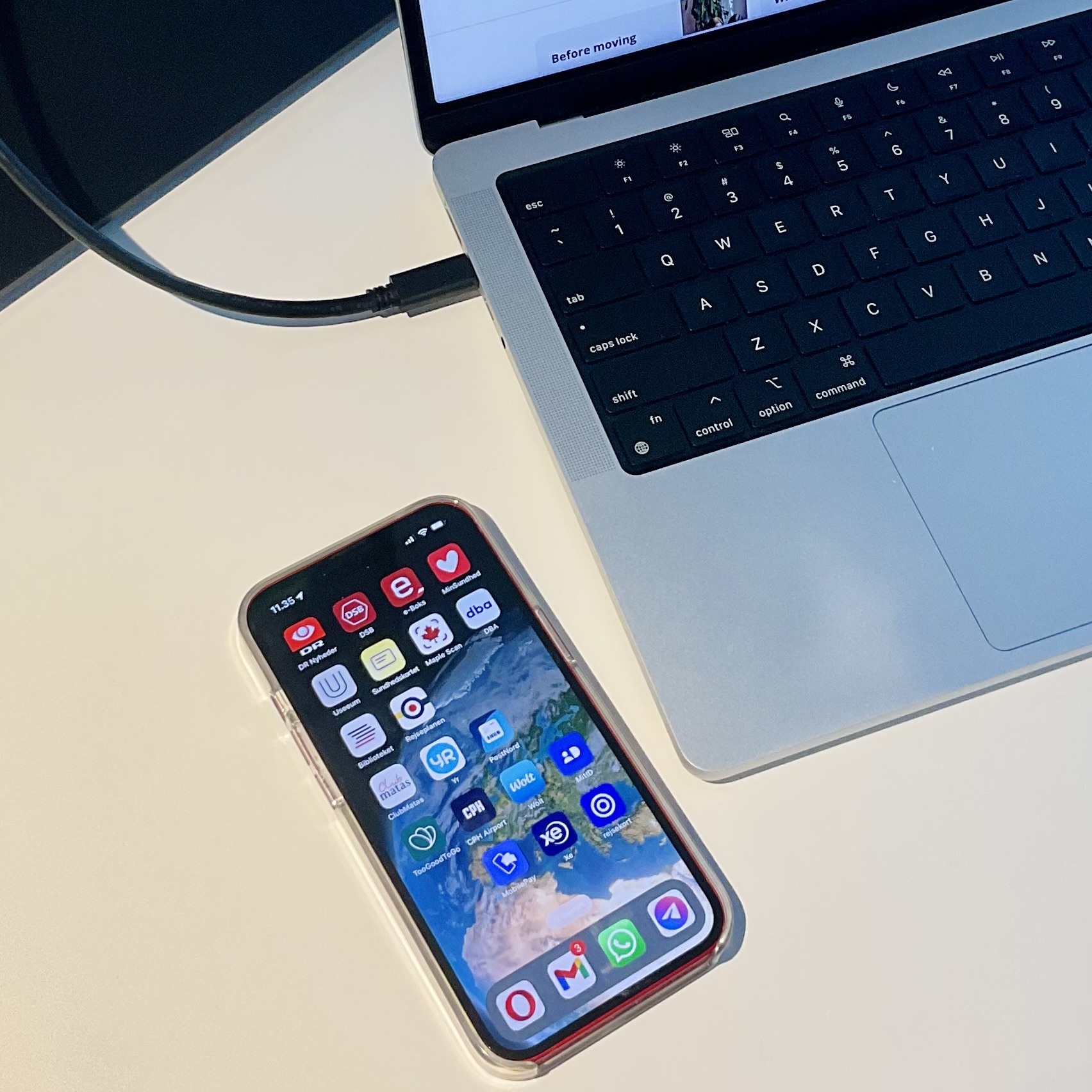
Coming back to Denmark after six years away, the digitalization is even more impressive.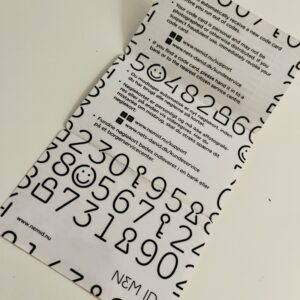 MitID’s in-app verification means no more physical NemID cards (although I do kinda miss the dopamine hit from finding the necessary code) and using the Rejsekort app to check in/out while traveling by transit is marvelous. (It’s just been updated to include additional travelers, bikes, and dogs; more functionality for children, retirees under 67, and people with disabilities is coming in 2025.) I was also up and running with my local library with just a MitID authorization as soon as my CPR had been reactivated (very important as a lapsed librarian!).
We were impressed to see records from our first Danish residency in the MinSundhed app and delighted that the Sundhedskort app means no longer carrying a physical yellow card. A surprise win for my partner was renewing his asthma inhaler prescription (the same one he’s used for decades) without setting foot in a doctor’s office.
Digitalization can have downsides, though. As fellow columnist Ali mentions in Found in Translation, there are ‘many, many national Danish “manage your life in one place” apps’ and it can be tough keeping track of them all. And I imagine challenging for people who aren’t so comfortable with technology. With physical mail being almost superfluous, I was saddened to learn that PostNord will stop delivering letters by the end of 2025—what will that mean for my love of Christmas cards (and for Danish residents who aren’t so tethered to their smart phones)?
My concern about yuletide greetings aside, Denmark’s commitment to strong digital infrastructure serves the country and its residents well. Denmark is at the top of the board across the European Commission’s Digital Economy and Society Index and its ‘digital by default’ approach saves time and resources. Now I just need to find time to listen to the audiobook I have out from the library…