The underground use of psychedelic drugs is thought to be quietly rising in Denmark and across Europe.
That is according to a 2025 European Drug Agency report, which notes that an unknown but increasing number of people are seeking out substances like LSD, MDMA, and psilocybin-containing mushrooms not just for recreation, but because of their perceived therapeutic and mental-health benefits.
The growth in interest comes as clinical research shows positive findings and several countries are beginning to open new, limited pathways for psychedelic-assisted therapy treatments.
Now, The Alternative, alongside The Liberal Alliance, is calling for the Danish government to create a new task force to study the scope of underground use and explore how psychedelic drugs should play a role in public health in Denmark – where recent national survey data estimates 7% of 16-44-year-olds have used hallucinogenic mushrooms at least once.
The proposal, set for debate in parliament on December 11, asks the government to establish an interdisciplinary working group to uncover current underground usage trends, gather and analyze data on clinical trials, and study international harm-reduction models. The findings would form the basis of a national report on psychedelic use in Denmark and guide future policymaking.
Supporters of the proposal argue this measure is needed to address significant information and policy gaps. They argue Denmark lacks sufficient data on who is using psychedelics, why they are doing so, and what risks accompany the current underground environment.
“We must recognize that thousands of Danes are already seeking out these drugs every day, and currently they must do so secretly,” Karin Liltorp, member of The Alternative and author of the proposal, told Last Week in Denmark. “We’re asking to create a group that can eventually establish a regulated pathway so that adults who choose to try these substances can do so safely.”
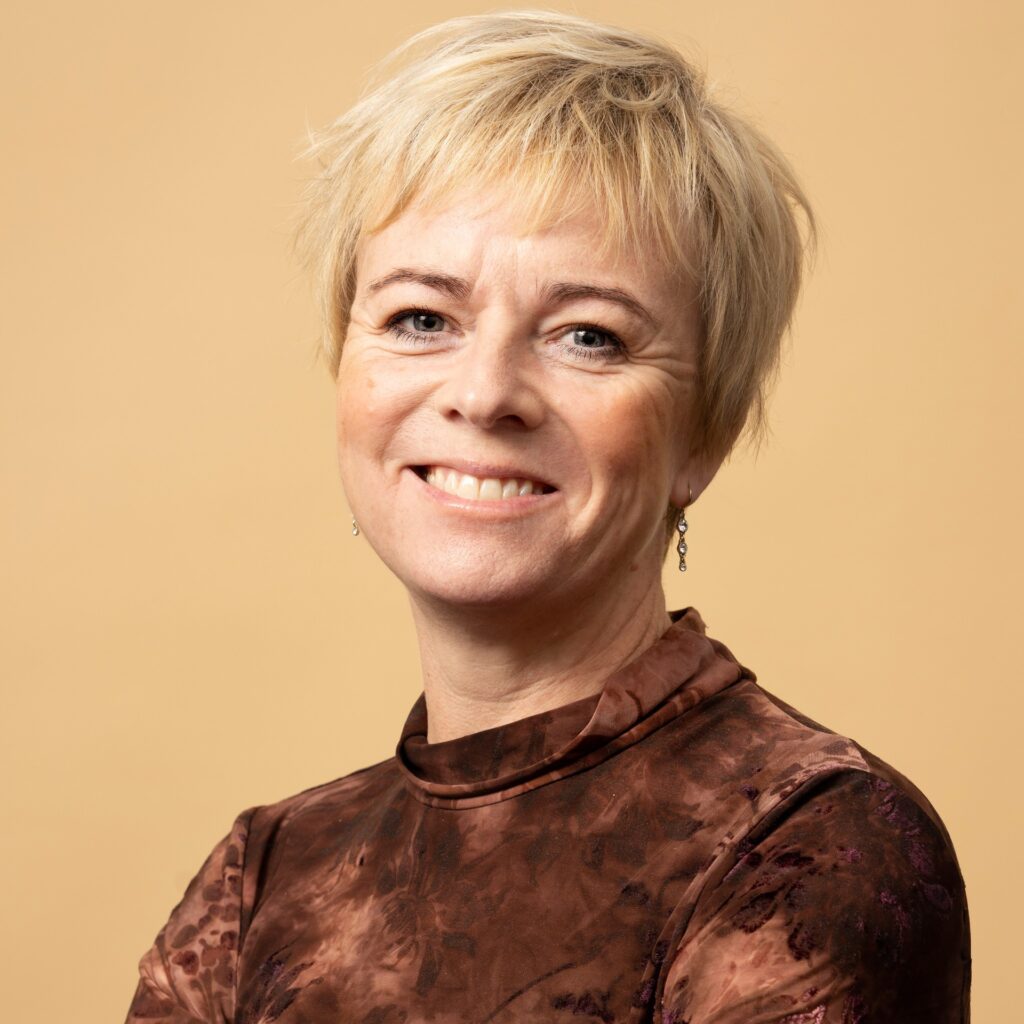
Image Credit: Marie Hald (ft.dk)
Clinical Evidence and Growing Political Momentum
The Alternative’s proposal comes as momentum behind psychedelic-assisted therapy continues to grow.
Earlier this year, New Zealand and Germany joined countries like Australia and Switzerland in approving new regulatory pathways to provide psychedelic treatments through psychiatrists and, despite the United States’ drug control agency rejecting the approval of an MDMA-based therapy for PTSD last year, there is a growing consensus that some psychedelic-assisted therapy treatments will be clinically approved in the U.S. and in Europe within the coming years.
Liltorp told Last Week in Denmark that the party’s goal is not to bypass the existing clinical process, but to begin a broader discussion about how Denmark understands and manages these substances, which remain illegal to use, possess, or sell.
The proposal also refers to a growing number of people in Denmark who are using psychedelics outside of the healthcare system, stating that legislation is needed for harm reduction and public health reasons alongside any psychiatric pathway.
Kevin Mikkelsen, a Copenhagen-based psychotherapist and founder of the Center for Psychedelic Education (CEPDA), a non-profit think tank which worked with The Alternative to help them craft their psychedelic policies, welcomed the proposal’s dual focus on clinical evidence and harm reduction for current users.
“Right now these drugs are almost exclusively discussed as medicines, but a strictly biomedical framework has its limitations.” Mikkelsen told Last Week in Denmark. “With an interdisciplinary approach that brings clinical researchers and clinicians together with anthropologists, ethicists, and users, we can craft a more holistic policy.”
Liltorp hopes the working group could eventually inform a pathway toward decriminalization of psychedelic drugs and regulated access, similar to in other countries.
With The Liberal Alliance as their only current partners on the proposal, The Alternatives must now convince a majority of parliament to vote in favor of establishing this new working group.
Both Liltorp and Mikkelsen recognize that the policy might not make it past the necessary threshold this December, but with national elections coming next year – and the potential for a shakeup in government – they see this first attempt as the start of a debate that will continue as these drugs continue towards clinical approval.
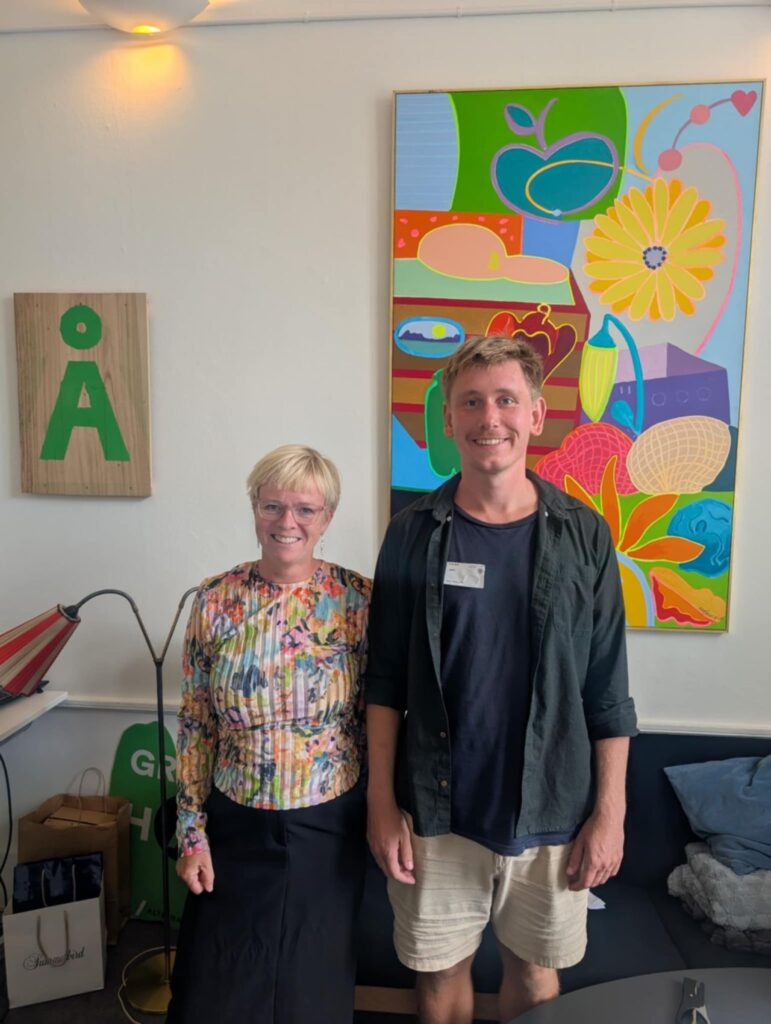
Image credit: Kevin Mikkelsen
How Clinical Research Fuels an Underground Movement
Over the past 10-15 years – dubbed by some as “the psychedelic renaissance” – research into psychedelic-assisted therapies has grown rapidly. Meanwhile, studies show positive outcomes for people suffering from disorders including treatment-resistant depression, PTSD, and substance abuse.
As more and more positive clinical results have been published, psychedelic treatments have made increasing headlines in the past years.
According to Margit Anne Petersen, associate professor at Aarhus University’s Center for Drug Research, this past decade of media attention is leading to a change in public opinions on the drugs.
“Where psychedelic drugs were once portrayed as dangerous substances that would make people lose their mind, they are now more commonly framed as promising medical interventions for all sorts of disorders,” Petersen told Last Week in Denmark. “This broad change in media narrative, plus the coverage of clinical trial results and personal anecdotes online, are all influencing people’s perceptions of these drugs.”
Kevin Mikkelsen, whose research at CEPDA involves speaking with people and communities who are using psychedelics in Denmark, also believes that recent positive research headlines are at least partially responsible for driving an increased public interest in seeking out psychedelic-assisted therapy.
In a 2022 survey of 500 Danish psychedelic users, most participants responded that they use psychedelic drugs primarily for their therapeutic benefits, rather than for a spiritual experience or recreation.
“Maybe 10 years ago or so, most people interested in using psychedelics weren’t really seeking them out because of any perceived health benefits,” Mikkelsen told Last Week in Denmark.
Instead, he said, the people using magic mushrooms or LSD were mostly seeking spiritual exploration, expanded consciousness, or just recreational party drugs.
“At our informational events today, we see bankers, doctors, teachers, students, everybody,” Kevin Mikkelsen said. “There are all kinds of people who are suffering in some way and looking for new perspectives, but they can’t access the information or resources they need.”
Missing Data Complicates the Policy Debate
While public interest in psychedelics appears to be growing, the actual evidence of increased usage remains thin, relying mostly on anecdotal and emerging data.
The European Union Drug Agency, known as EUDA, writes on its website that psychedelics “are not well monitored by existing surveillance systems, meaning that it is difficult to comment with confidence on prevalence of use and recent trends.”
A 2024 Danish report on drug use among 16-44 year-olds found that 1.5% of respondents had used hallucinogenic mushrooms in the past year and 0.8% had used LSD. These numbers are a slight increase from 2021, where 1.1% had used mushrooms and less than 0.3% had used LSD, but the report concludes that the overall prevalence of psychedelic use remains relatively low.
On the other hand, a paper co-authored by Petersen notes that increasing numbers of young people who are in treatment for substance abuse report using psychedelic drugs, and Danish customs have reported a steep rise in the number of psilocybin-containing mushrooms and other psychedelics seized, potentially signaling an increase in use that has not been captured in national survey data.
“Psychedelics still ultimately make up a small portion of the drugs consumed in Denmark compared to cannabis, cocaine, or alcohol,” Petersen told Last Week in Denmark. “Since they are less of an issue, they get less attention, which also means less data on their usage.
EUDA warns that the lack of data here presents “a key challenge for policymakers and health professionals” throughout Europe who currently lack confident answers to basic questions – an information gap that The Alternative’s proposed working group would presumably be tasked to address.
Peer Networks and Underground Guides Fill Knowledge Gaps
Users also find themselves without official sources of knowledge, meaning those who want to use psychedelics must turn to peer-networks and a network of underground psychedelic guides.
Margit Anne Petersen has conducted several studies looking into how people seek out information about psychedelics, finding that, while many turn to internet forums, social media, or personal friends for information, a significant number also look to scientific studies and the media for their information.
But when it comes to actually taking a psychedelic drug, many people seek out a facilitator who creates the setting for the session and monitors or guides the user through the experience.
Kevin Mikkelsen, who first began interviewing underground facilitators as part of his bachelor’s thesis seven years ago, believes there are at least 100 actively practicing facilitators in Denmark, though he says that the number is an “unscientific guess” based on his work in these communities.
He says has seen a significant increase in new underground facilitators over the past five years, driven by increased interest in psychedelic-assisted therapy and rising demand for facilitators from new users.
“The research has created this surge of interest, but there is a lack of public information or safe processes,” Mikkelsen told Last Week in Denmark. “That creates a big market for people who want to do underground therapy, but do not necessarily have any experience or accreditation. While many people are benefiting, some are also being hurt.”
Mikkelsen argues that the rise in black market use could potentially pose a public-health risk for people using psychedelics, which is one reason why he sees The Alternative’s proposal as necessary. Even if these substances are eventually approved as medicines, he says, there will still be no standards or safety protocols for non-clinical use, which he expects to grow.
However, Margit Anne Petersen is more skeptical of the scale of underground growth and the value of a legislative solution. She agrees that non-clinical use and facilitation seems to be increasing, but that we simply don’t know how many underground facilitators there are.
She has interviewed roughly 20 underground psychedelic facilitators in her research, most of whom had long histories of psychedelic use and experience guiding others.
Petersen has found that facilitators differ widely in their approaches. While some might embrace a more regulated, therapeutic model, others believe the psychedelic field is already over-medicalized and losing its spiritual and indigenous roots.
“This is an incredibly heterogeneous community,” Petersen said. “Even if psychedelic drugs are decriminalized in certain instances, many will refuse to participate in that model and will continue hosting their own practices as they see fit.”
“A Big First Step” in an Emerging Debate
For now, The Alternative’s focus is on clearing the first hurdle in parliament, which will likely be a difficult task.
Karin Liltorp of The Alternative told Last Week in Denmark that she has encountered skepticism from fellow members of parliament, which she attributes to a general stigma against drugs. Even securing the support of The Liberal Alliance took some convincing, she said, despite LA’s emphasis on personal freedom and their support for decriminalization of drugs.
“There is a lot of work to do, but I have until December 11 to convince the other parties that this working group is an idea worth supporting,” Liltrop told Last Week in Denmark.
Even if the proposal fails this time around, support for psychedelic drugs in psychiatry is featured in The Alternative’s policy platform, meaning the issue could reappear as parties prepare for a national election in 2026.
“It is a big first step to bring this to parliament and start a public conversation,” Kevin Mikkelsen said.
“There is just so much we don’t know right now. If we want to do anything, we first need this sort of concerted effort to build up our knowledge as a society so that we can make informed decisions going forward.”