
Finding meaning, connections, and a bit of humor in life between cultures.
Every week, internationals across Denmark open Last Week in Denmark to catch up on news, community stories, and honest notes on why life in the land of hygge isn’t always as effortless as it looks from the outside. Starting this month, you’ll also find a new column: Dear Julia—a space to reflect on the emotional side of living between cultures.
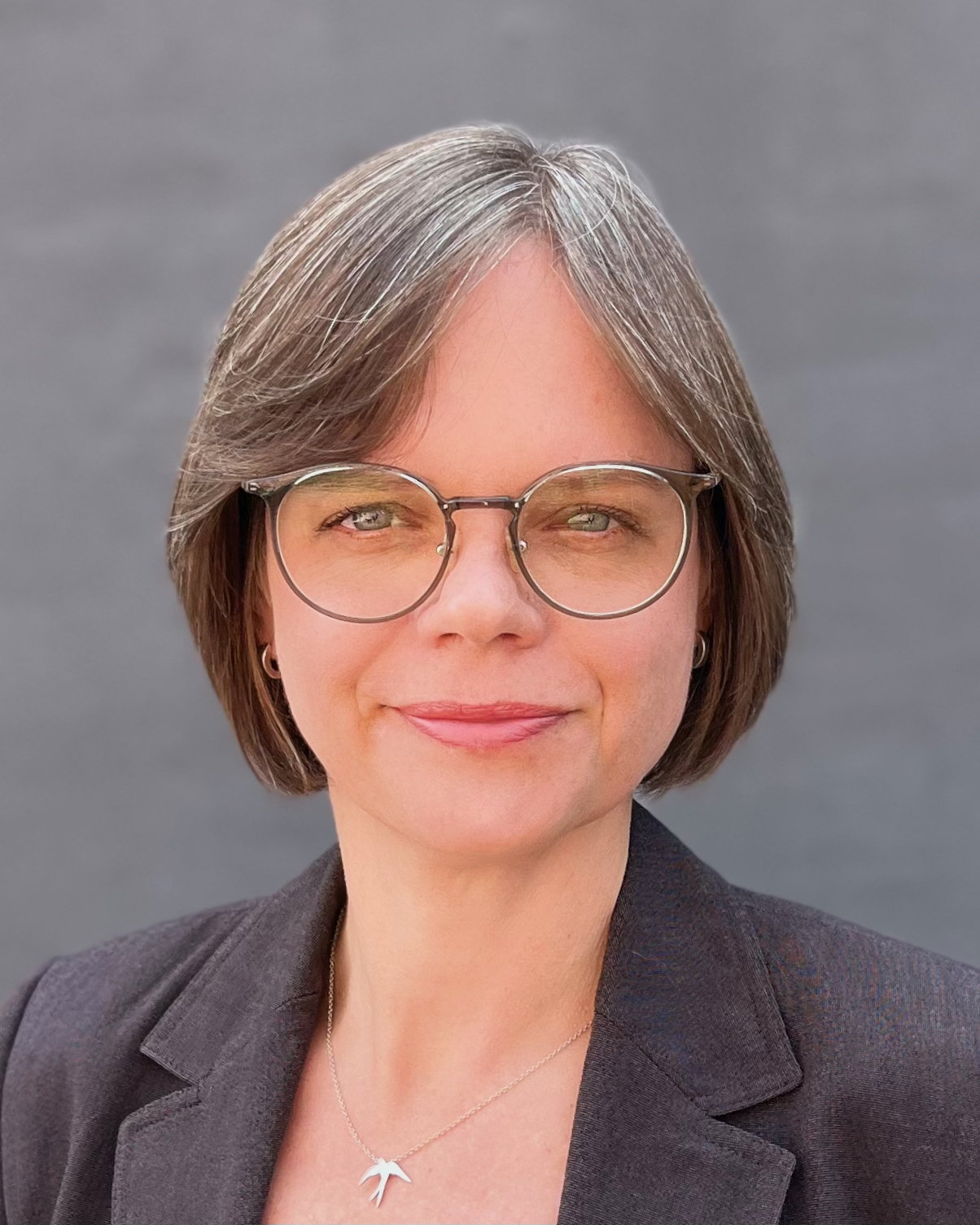
I’m Julia Jones, a psychologist based in Odense and founder of Jaywalk, where I offer therapy for internationals. My path to a career in psychology was anything but straightforward. I once studied the survival of animal populations; now my work focuses on how humans can thrive in new environments. Somewhere between the equations of my PhD in Zoology at Oxford and the bewildering days of early motherhood in Denmark, I realized that what truly fascinated me was not data but people: how we make sense of our lives, how we adapt, and how we find meaning when familiar reference points disappear.
From biology to belonging
I moved to Denmark more than a decade ago, certain that my education was an entry ticket to the Danish job market. Instead, I joined the large invisible cohort of highly educated foreigners who discover how easily qualifications can lose their value when you cross borders. I set out to learn Danish, knocked on many doors, and tried to decode a system that seemed both kind and closed. Along the way, I felt my confidence wear thin as the person I had been no longer seemed to fit.
Like many, I built a patchwork career, raised children, and tried to make sense of a country that prizes wellbeing yet guards its boundaries carefully. Eventually, I faced the same question that now shapes my work as a psychologist: How can I make life here meaningful without losing myself?
That question became both my personal quest and my calling. I retrained to become a psychologist at the University of Southern Denmark and began focusing on the mental-health experiences of internationals. My approach is evidence-based but deeply personal, grounded in both scientific training and lived experience.
The idea behind Jaywalk
The name Jaywalk came easily. In most countries, crossing the road at a red light is illegal. Yet while in Spain people view a red light as a mere suggestion to stop, Danes will wait patiently at a red light even at 1 am on a Sunday morning with no cars in sight. Jaywalking symbolizes moving between systems of cultural rules, sometimes gracefully, sometimes awkwardly. For anyone living between cultures, it is a familiar obstacle course.
At Jaywalk, I use a framework I designed called Context – Choice – Connections. It’s simple, though not easy to implement.
- Context means understanding ourselves and our surroundings—the outer world of cultural setting and circumstances, and the inner world of thoughts, emotions, and personal history.
- Choice is about acting in line with our values rather than out of habits, creating tiny, deliberate shifts that build new realities.
- Connections are the relationships that give life depth and belonging, not least among them the relationship and connection to ourselves.
This model grew out of years of listening to internationals who are capable and kind yet quietly exhausted from translating themselves every day. It helps them rediscover agency and perspective in a place that can feel both welcoming and impenetrable.
Why this column
Therapy is private by nature, yet the struggles it addresses are often collective. Loneliness, cultural mismatch, identity confusion, and uncertainty about the right to stay are common themes in international life, but they rarely find their way into public conversation.
Dear Julia aims to change that. Readers can send questions anonymously about life, work, identity, relationships, or belonging in Denmark. I will answer a selection here, drawing on psychology, research, and the wisdom that comes from listening to people’s honest stories. My goal is not to provide perfect answers but to offer perspective and insight. In small moments of reflection, understanding can grow.
As a scientist, I used to measure evolutionary adaptation using equations. As a psychologist, I see people adapt through life transitions: the mother learning to parent across languages, the professional rebuilding confidence after losing a career identity, the student balancing ambition with belonging. Resilience is the ability to move through these struggles one step at a time, while being gentle with ourselves as we grow.

The internationals
When I write about internationals, I don’t mean to slap a common identity on all of us. We come with different passports, privileges, and histories. What we share is the experience of having the ground shift beneath our feet. Our familiar cues for how to behave, relate, or belong no longer quite fit. We learn new rules—sometimes the hard way—and we build new identities on the go.
That process can be enriching. Denmark’s quiet rhythms and its emphasis on trust, balance, and human rights benefit us all. But it can also be lonely. Too often, internationals internalize the idea that if we still struggle, it is a personal failure. It isn’t. It is part of adaptation. Recognizing that is the first step towards self-compassion and connection.
What to expect
In Dear Julia, I’ll address questions that touch the emotional texture of international life:
How can I keep going when the odds feel stacked against me?
How can I stop comparing myself to the person I was before I moved?
How do I handle the guilt of being far from my aging family?
Will my Danish partner’s family ever truly accept me?
What happens if I lose my job and we can’t stay here?
Why does my confidence crumble when I speak Danish at work?
Is belonging here even possible?
And when is it time to leave?
Some answers will draw on psychological theory, research, and treatment paradigms; others on lived experience; and, probably more than a few, on humor, because sometimes laughter is the most practical coping strategy we have. Not every situation can be fixed, and not every struggle can be solved through action alone. Sometimes our work is to pause, to understand what is within our control, and to meet ourselves with gentleness as we decide whether to change our situation or to accept it as it is.
Why I keep doing this work
About seven years ago, when my second son was born, I started an international mothers’ meet-up in Odense. I will never forget one new mum sitting on the couch, crying with relief at finally not feeling alone. Since then, I have continued the mission of supporting the mental health and emotional well-being of internationals in Denmark in many different forms. I see it as both an honor and a responsibility to show up for this work.
So, if life in Denmark stretches you to your limits, if you wonder whether it’s you or the system, or if you simply need to hear that it’s normal to feel both grateful and homesick at once, write to me. Let’s explore what makes life here hard, beautiful, and, ultimately, worth the effort.
Because the goal isn’t perfection. It’s connection, with ourselves, with others, and with this small corner of the world we now call home.
________________________________________________________________________
Dear Julia appears twice a month in Last Week in Denmark. Questions can be submitted anonymously at https://forms.gle/3F6NmSEBUg3u1FXL9 . Find out more about Julia’s work at www.jaywalk.dk, where you can join her mailing list for updates, upcoming events, and small pieces of inspiration. You are also welcome to connect with her on LinkedIn.