
Every March, Copenhagen transforms into a global hub for non-fiction storytelling.
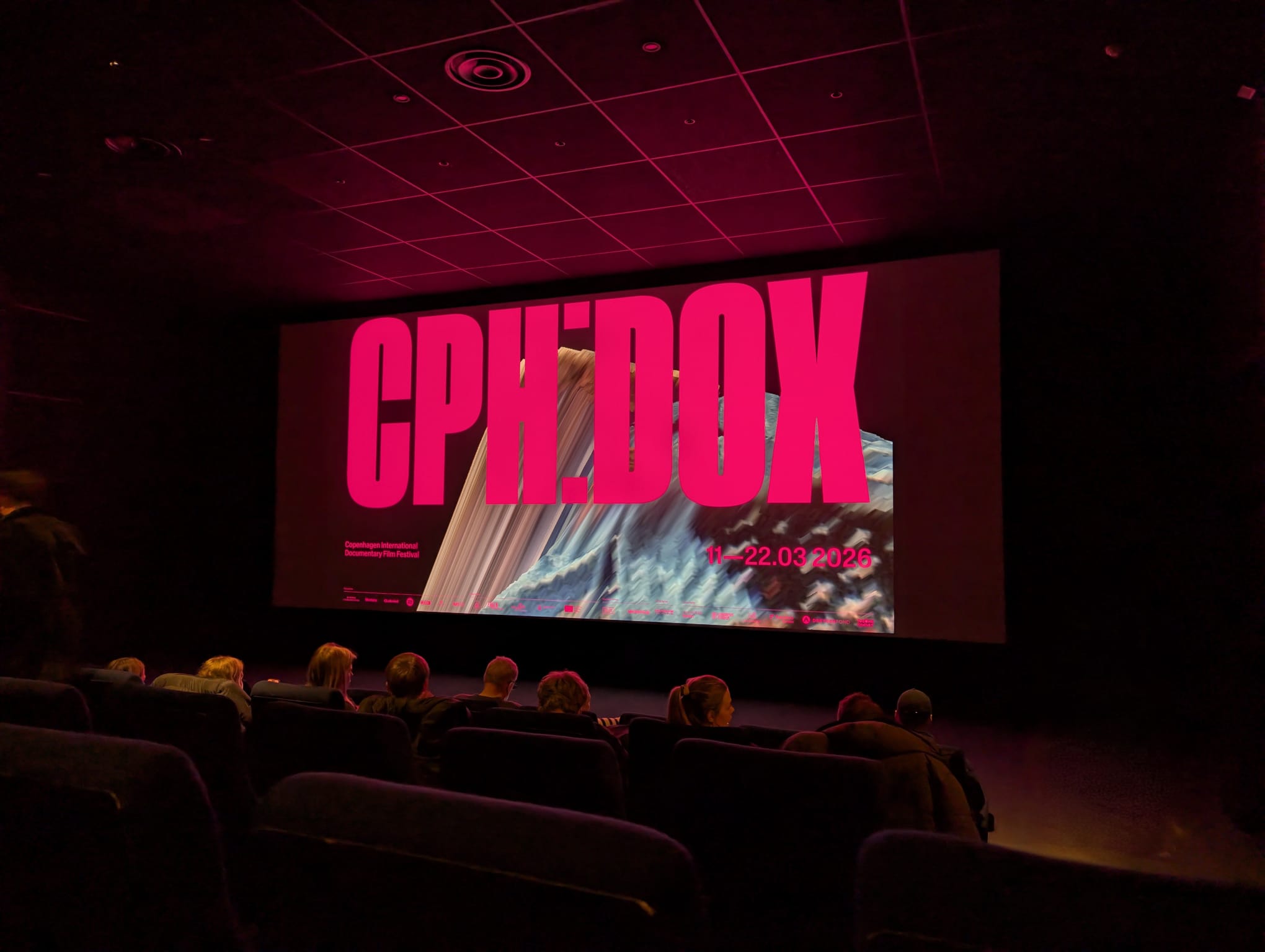
CPH:DOX (Copenhagen International Documentary Film Festival) is one of the world’s largest and leading documentary film festivals, held annually in March. Founded in 2003, it features over 200 films, industry events, and digital, boundary-pushing documentaries that merge art, cinema, and journalism.
The 2026 edition welcomed a new mark of distinction with the introduction of the FIPRESCI Award, a prestigious film prize presented by the International Federation of Film Critics to promote cinematic art and encourage new, young, or daring cinema. Awarded at major festivals like Cannes, Venice, and Toronto, it is decided by a jury of international film critics. This year, 12 films in the DOX:AWARD Competition were nominated (read until the end to find out who were the winners).
For internationals living in Denmark, it offers a rare opportunity to step outside the local “bubble” and confront the systems, political, technological, and environmental, that shape our lives. Through the DOX:DANMARK initiative, the festival brings film screenings, events, and talks to over 50 municipalities across Denmark.
Local cinemas and cultural institutions collaborate to create personalized festival experiences, connecting local communities with global narratives. This year saw some big names present at the screening (such as Nikolaj Coster-Waldau, Pilou Asbæk &many others).
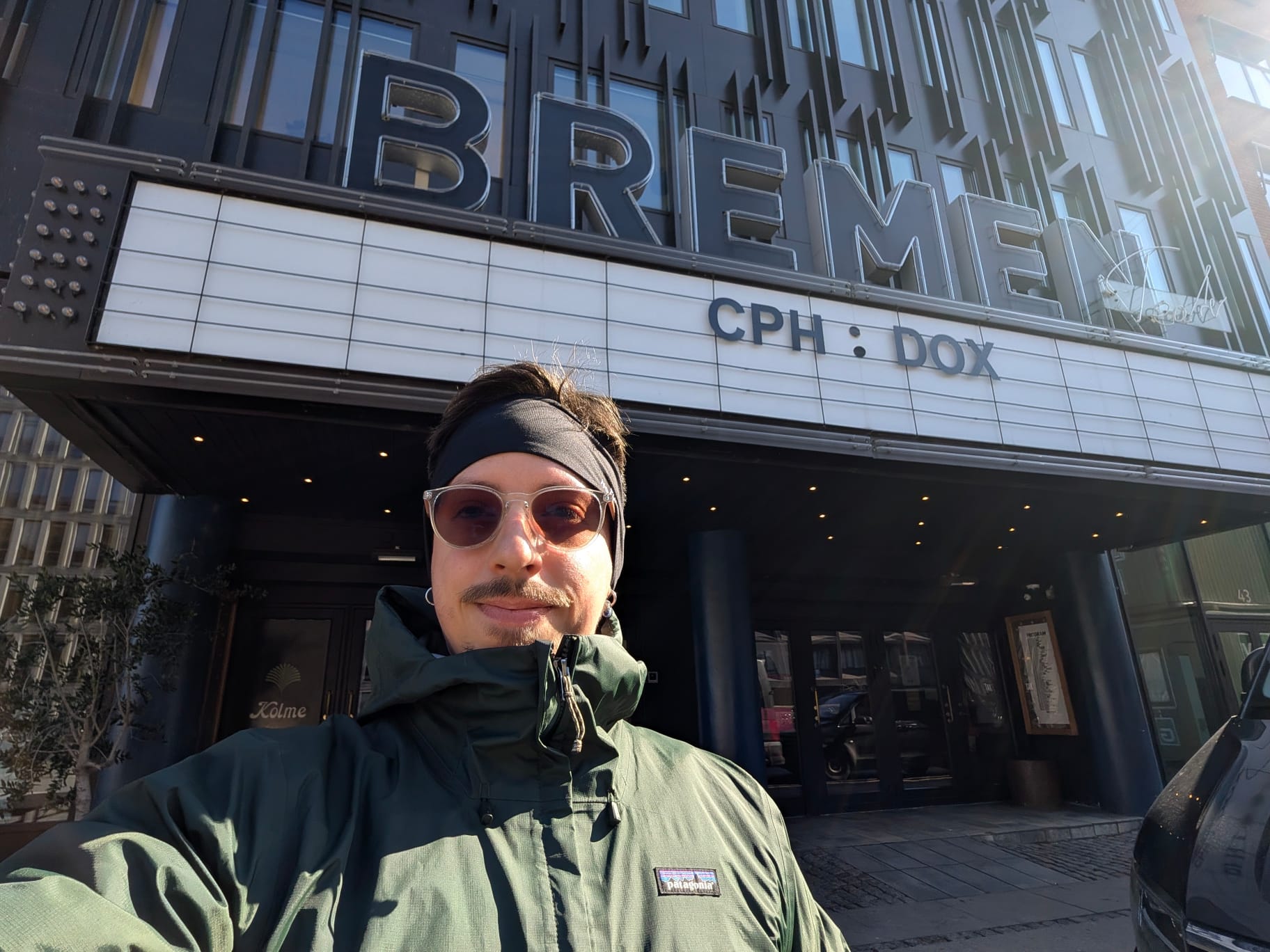
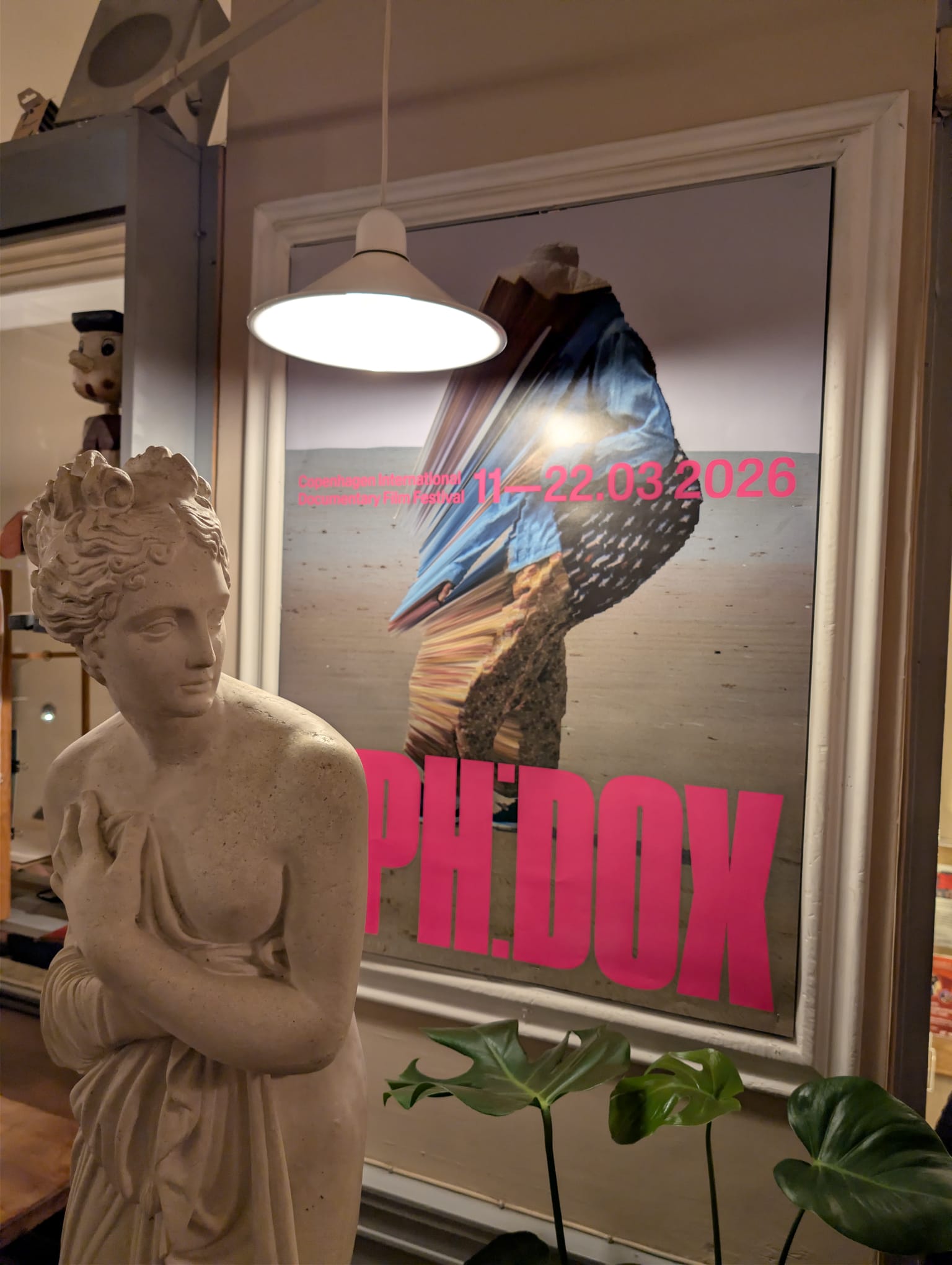
And then there’s me, an international with a fiery passion for movies, documentaries and whatever else piques my interest in the world of cinema. I’d known about the festival since 2025, but I did not participate then. As soon as I saw this year’s postersaround town, I knew I had to join.
Fast forward a few weeks and, through the wonderful people at LWID, I was offered a press pass to go enjoy the events, screenings and other perks the festival had to offer. I unfortunately did not participate in any events, due to having a busy schedule during the week, but I squeezed in as many screenings as I could I can tell you hand on heart I never had to make so many concessions and think so hard about which documentaries to pick. It was really difficult!
According to CPH:DOX’s website, “the program will be packed with documentaries that shed light on the world we live in, seen from scientific, artistic, power-critical, human, young, experienced, unshakeable, fantastically funny, and completely absurd perspectives.” And, indeed, it was that and much more!
Here’s my take on the documentaries I managed to watch.
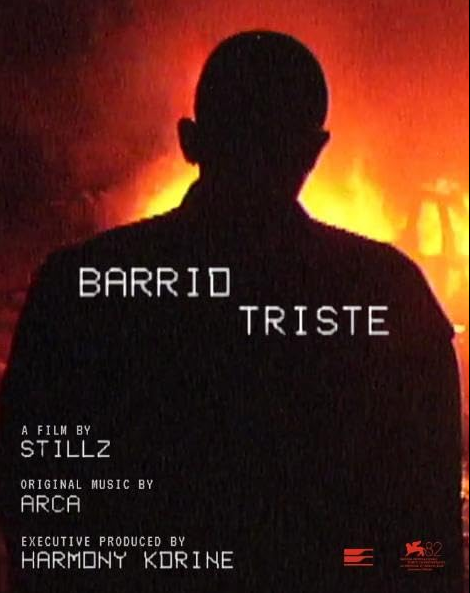
I started with Barrio Triste, produced by Harmony Korine.The film begins with a theft. Four young punks in 1987 Medellín steal a VHS camera from a journalist and immediately turn it on themselves. Watching this at Empire BIO, the first half felt like being dropped directly into the center of a riot. It is chaotic, unedited, and captures the raw reality of the favelas.
At that time, Medellín was known as the most dangerous city in the world. While many directors try to recreate this era with high-end equipment and artificial grit, Barrio Triste looks like a tape found in a basement. Director Stillz uses the low-fidelity VHS format to create a hybrid between a social realism documentary and a trippy horror film. The score by Arca adds a hallucinatory layer to scenes of vandalism and quiet, stoned observation.
The film is at its strongest when it stays in this breathless, semi-documentary mode. It shows the sad reality of a generation that resorted to violence as a response to their surroundings. Every scene adds a new element of disorder and unexpectedness.
However, the experience changed for me in the second half. The pace dropped significantly, moving into a territory of “slow cinema” that felt a bit too disconnected from the initial energy. I also struggled with the editing choices that seemed to label characters as good or bad, which felt out of place in such a raw film. I rated it a 6/10. It is a striking piece of work and I do not regret going, but the shift in momentum kept it from being the masterpiece the first half promised.
Next up was Everyone is Lying to You for Money, produced “by the guy from OC” (an american drama series), Ben McKenzie. It is an educational piece on the world of crypto, and how it is changing communities, countries and lives of collateral people. I walked into Big Bio Nordhavn already somewhat familiar with the terms, having been down a rabbit hole on Youtube a few times.
The film’s real strength is that it doesn’t just mock the people who lost money. Instead, it focuses on the human cost of these empty tech promises. It’s a sobering look at how easily greed and complicated jargon can be used to hide a lack of actual value.
McKenzie spends his time transitioning from 0 knowledge on the subject (having heard about it from a friend) to being a reputable figure in this niche. It certainly didn’t come without obstacles, but what’s impressive is that the production felt high-end despite only having two people behind the camera and direction. In my line of work, we talk a lot about building trust. In the crypto world, it seems trust was just a commodity to be traded until it ran out. I walked out of the cinema with my own mantra reinforced: research ten times, buy once. It’s a solid 8/10 and, frankly, a subject everyone should be informed about before they even think about hitting a “buy” button.
Perspective Through the North Atlantic
I am going to be honest here, these two were picked by my girlfriend. I trust her instinct & cinematography taste so I was fully onboard. It was a nice way to experience the program: sitting down in the dark and letting the stories explain themselves.
The first was Mother Creature, a 29-minute piece by Maria Tórgarð. It deals with a heavy subject, catatonic schizophrenia, but approaches it through a creative lens. A daughter attempts to understand her mother’s illness by staging a play. The film mixes home videos, theater, and the rugged nature of the Faroe Islands. It felt like an attempt to personify a “monster” from childhood to finally look it in the eye. While the storytelling was creative and deeply personal, it was over almost as soon as it began. I found it interesting, but it felt a bit too short to fully settle into the narrative.
The second film, Joan of Arc by Hlynur Pálmason, was a complete shift in tone and technique. Set on the east coast of Iceland, it follows three siblings who spend their time building a knight figure out of wood and scrap to use as archery practice. The catch is their father told them not to use bows when he isn’t home, but since he is never home, they do it anyway.
What makes this film stand out is the technical choices. The camera remains motionless throughout the entire hour. It sounds like it would be boring, but it isn’t. You watch the seasons change in a single frame while the children play and bicker. It is a funny, minimalist portrait of how kids kill time in a remote place. I was surprised that a film consisting entirely of still-frame shots could hold my attention for over an hour.
Between the two, you get a 7/10 experience. One is a brief, intense look at family trauma, and the other is a slow, humorous observation of childhood games. It was a solid pairing that showed how much variety you can find in Nordic documentary filmmaking.
The Salisbury Poisoning: A Spy Next Door
Salisbury is the kind of place where nothing is supposed to happen. It is a quiet, historic English city defined by its cathedral and slow pace of life. But in March 2018, it became the unlikely frontline of a conflict between world forces. I have been eager to see this one and it ended up being my first 10/10 of the festival.
The documentary covers the attempted assassination of former Russian intelligence officer Sergei Skripal and his daughter, Yulia. They were found collapsed on a park bench after being poisoned with Novichok, a military-grade nerve agent. What starts as a local medical emergency quickly turns into a global crisis.
What makes this film stand out is the level of access. Director Dan Vernon secured interviews with the people who led the UK’s response, including former Prime Minister Theresa May and several MI6 chiefs. Hearing from the people who were actually in the “Cobra” briefing rooms brings a level of credibility that most true-crime documentaries lack. It also features Christo Grozev, the investigative journalist who used digital footprints to identify the Russian assassins.
The production quality is high, moving with the tension of a scripted thriller. However, the film never forgets the human cost. It details how the poison was discarded in a perfume bottle, eventually killing a local mother of three who had nothing to do with international espionage.
For me, this was a perfect documentary. It took a complex geopolitical event and made it feel immediate and personal. It shows how a botched hit in a small town can lead a government to fear the start of a third world war. Given the current tensions with Russia, the story feels more relevant now than it did eight years ago. It is a clinical look at how power and revenge operate in the real world.
Life on borrowed time
Big Bio Nordhavn is built for scale, which made it the right setting for Stormbound. This was my second 10/10 of the festival. The film follows Jeff Gammons, a nature photographer who has spent three decades chasing the most violent hurricanes and tornadoes along the American coast.
On the surface, it looks like a high-budget action movie. The difference is that there are no special effects. Everything on the screen is raw footage. Seeing what nature is capable of without the filter of CGI is startling: it forces a level of respect for the environment that a studio-made film cannot replicate. Some of the shots are simply incredible, showing the sheer power of wind and water.
But the real weight of the film comes from Gammons’ personal life. He lives with a life-threatening illness that could end his life at any moment. He is quite literally living on borrowed time. This reality changes the perspective of the film. It moves away from the adrenaline of the chase and becomes a story about hope and madness.
His wife is by his side throughout the journey. Their relationship turns a film about weather into a quiet study of what a person chooses to value when they know their time is short. It is a rare mix: the external chaos of a hurricane contrasted with a very calm, grounded love story. I did not expect a documentary about natural disasters to be so moving. It serves as a reminder that the most extraordinary stories do not need to be invented.
Negotiating with the future
Artificial intelligence has moved from a lab experiment to a household tool in what feels like overnight. For Daniel Roher, the Oscar-winning director of Navalny, this shift coincided with a personal milestone: he was about to become a father. This prompted a basic, unsettling question that many of us are currently asking: what kind of world are we bringing children into?
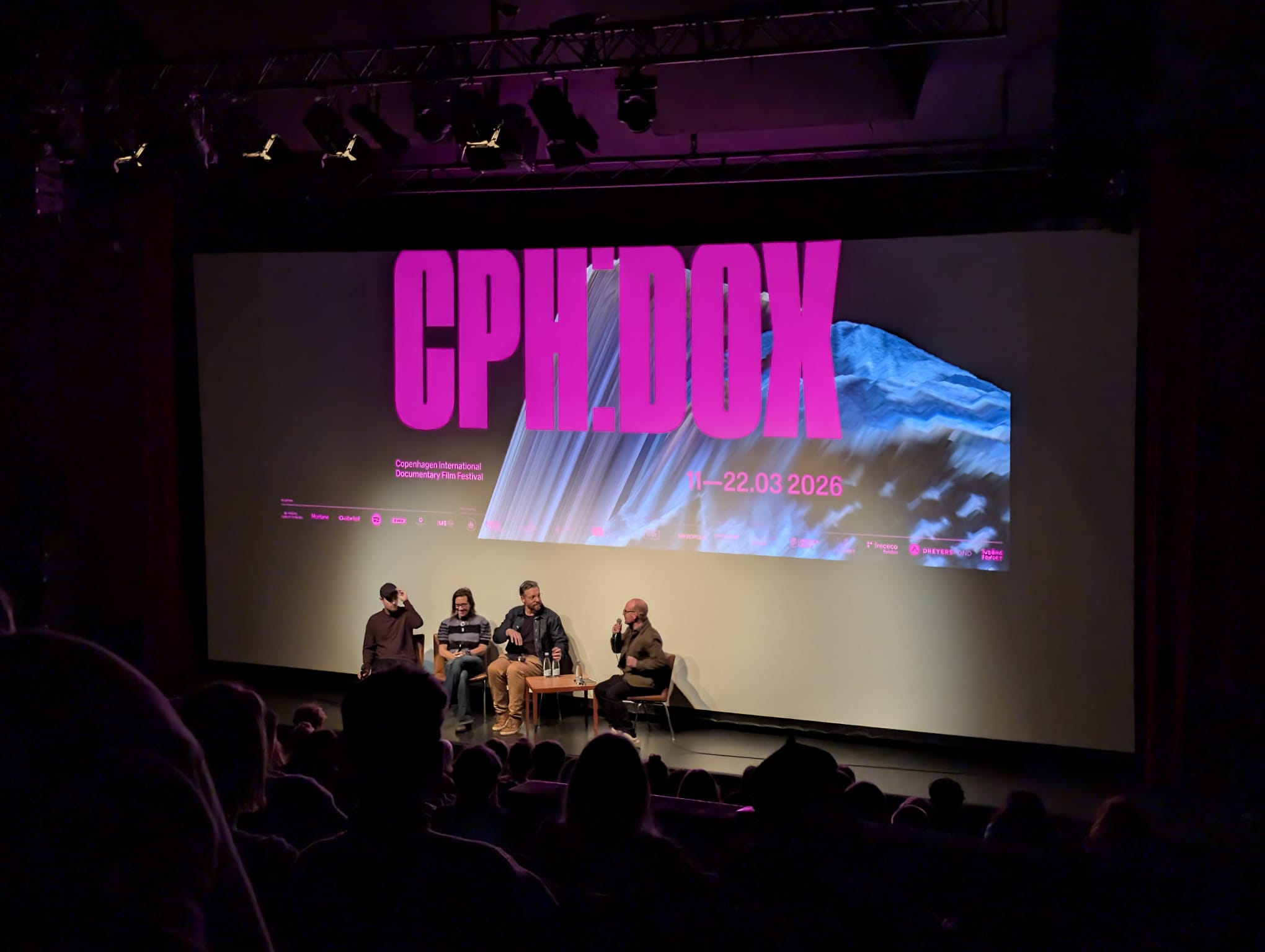
In The AI Doc: How I Became an Apocaloptimist, Roher builds a studio in his home and invites the architects of this technology to talk. He manages to sit down with the leaders of OpenAI, DeepMind, and Anthropic, alongside critics like Yuval Noah Harari. Getting these people in front of a camera is a massive undertaking. After the screening, the producers explained that they sent eighty initial emails and received only six replies. From there, they had to build trust within the organizations and slowly work their way up the hierarchy to reach the decision-makers.
This effort pays off. The film manages to be both serious and funny, balancing the “utopia” promises of tech leaders against the existential warnings of researchers. Whether you are already fluent in AI or just use it to write occasional emails, the topic is unavoidable. The storyline is engaging and the editing is sharp, avoiding the dry, academic tone that often plagues tech documentaries.
It is difficult to pick a favorite from this year’s lineup, but this film stands out for its honesty. It does not pretend to have the answers. Instead, it captures the current global mood: a mix of excitement and genuine unease. It is a human look at a machine-driven revolution.
The Threshold of Human Endurance
I have always liked cycling, but I realized quickly into Merckx – Race of a Champion that I didn’t actually know the history of the sport’s greatest figure. Eddy Merckx, known as “The Cannibal,” is a Belgian legend who won 525 road races between 1961 and 1978. Even modern stars like Tadej Pogačar haven’t matched his record.
The film uses vivid archive footage to show his rise (in black & white), but it avoids being a simple highlight reel. It captures the reality of his career: the doping scandals, the brutal crashes, and the isolation that comes with being too successful. When he won, he united a divided Belgium. When he lost, that same nation turned its back on him.
What stayed with me was the sheer willpower on display. It is impressive to see how far a person can push their body through pure determination. Merckx didn’t just want to win; he wanted to devour the competition. Watching him push past his pain threshold was inspiring, honestly, it made me want to go out and buy a road bike immediately. It is a stylish, beautiful portrait of what it takes to be the best in the world. I gave it a 10/10.
What about the 95% unexplored world’s oceans?
This screening felt like a lucky coincidence. I am currently reading Deep by James Nestor, which explores the world of freediving and the mysteries of the abyss. I went to see A Life Illuminated specifically because I wanted a visual reference of what I was reading each night.
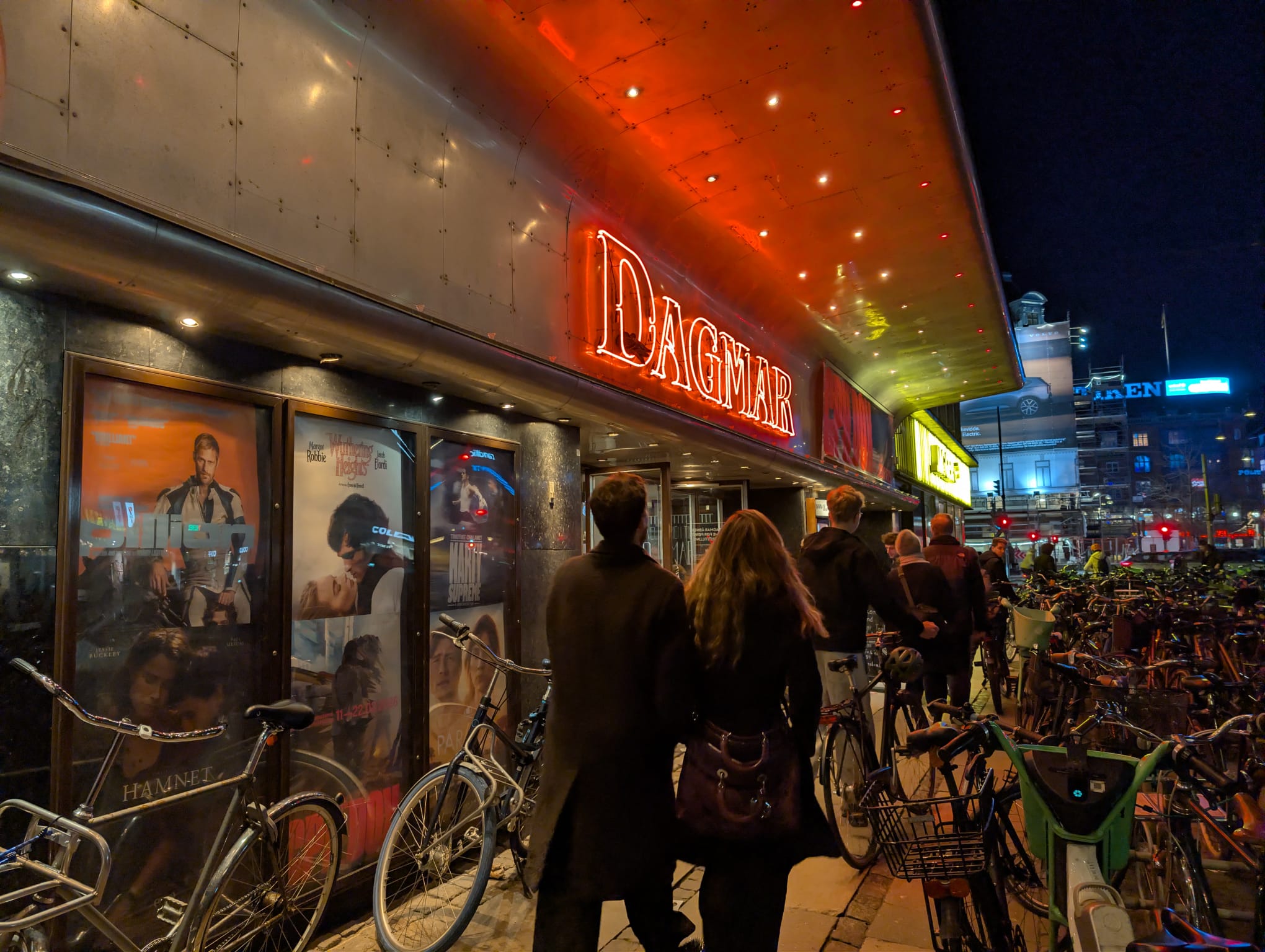
The film was shown at Dagmar Teatret in a tiny, cozy cinema room that felt like watching a movie in someone’s living room. It was the perfect atmosphere for a documentary that feels deeply personal in a way.
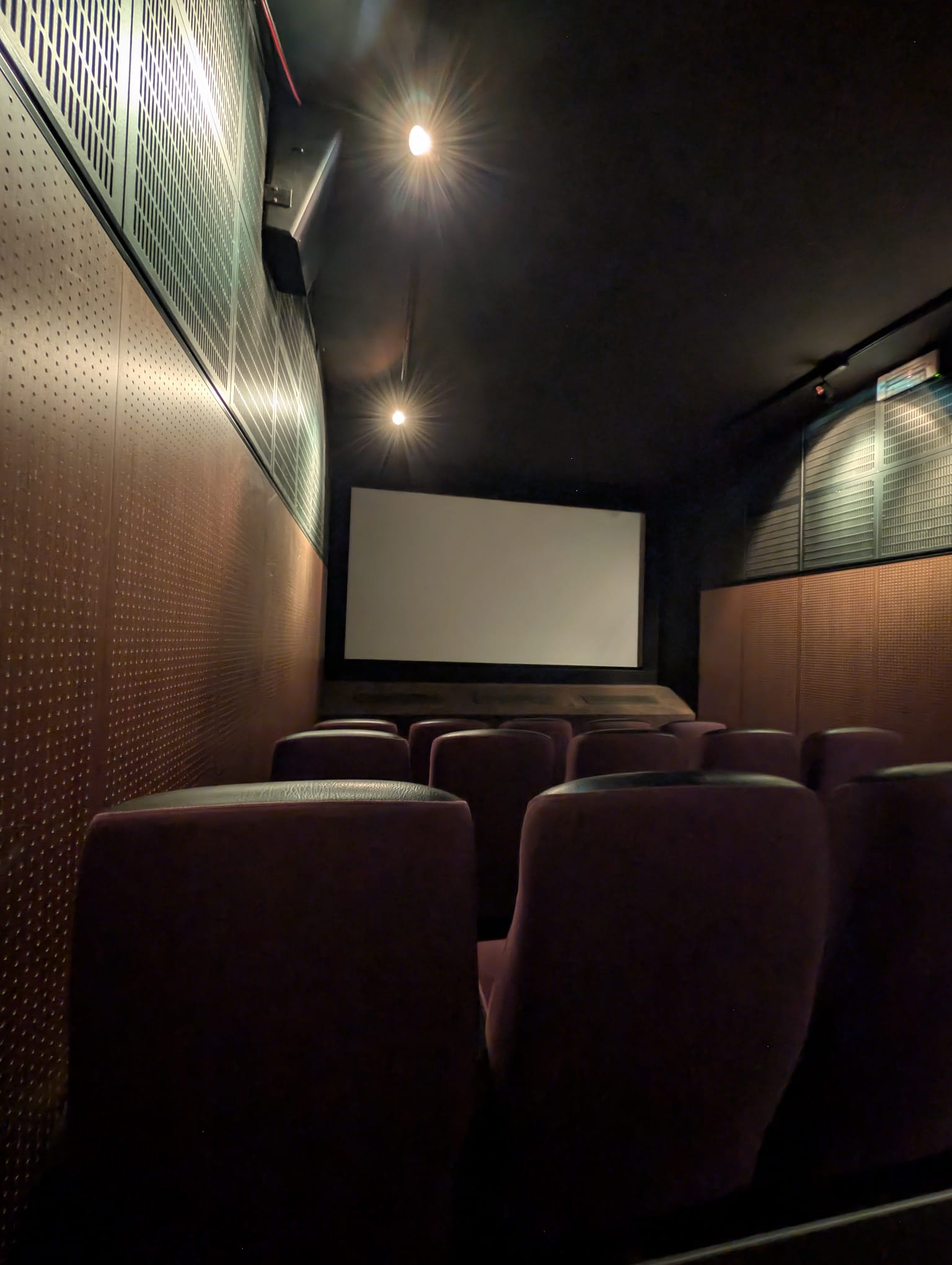
The story follows Dr. Edie Widder, the marine biologist who famously captured the first footage of a giant squid. Her new mission is to document bioluminescence, the strange, glowing life forms that inhabit the “midnight zone” where sunlight never reaches. The visuals are almost impossible to describe; these creatures look like they belong in a science fiction epic, yet they represent the majority of life on our planet.
Widder spent decades working in a field where women were once considered “bad luck” on research vessels. Her persistence is a central theme, it’s not just about her refusal to let barriers stop her from discovering it. It is a solid, informative piece of filmmaking about a true force of nature who spent her life looking for light in the darkest places on Earth.
Does everyone need the internet?
There are very few places left on Earth that aren’t connected to the internet. Arctic Link takes us to one of the last: a remote island in Alaska that is finally joining the global digital network. It is a film of massive scales, colossal ships, thousands of kilometers of fiber optic cable, and the vast, dark depths of the Arctic Ocean.
Director Ian Purnell spent ten years on this project, and that dedication is visible in the cinematography and the incredible sound design. You feel the weight of those cables as they slide off the deck and into the sea. But the film focuses heavily on the human contrast. On one side, you have the islanders wondering how this “advancement” will change their traditional way of life. On the other hand, you have the Filipino crew on the cable ship, whose only connection to their own families is the very technology they are installing for others.
For me, the film had a somewhat creepy undertone. It highlights how much human nature has altered the planet, turning even the most remote corners into nodes in a digital web. It presents a paradox: technical advancement is a blessing that brings information and contact, but it is also a curse that can erode local culture and a sense of place.
I’ll admit that the pacing was a bit slow for my taste, it felt a little too long at 82 minutes, but the message stuck with me. It’s a meditative look at a world where “offline” is becoming a thing of the past, whether we’re ready for it or not.
The visual language of nature
The screening of Phenomena at CPH:DOX 2026 began with a reminder of the fragility of modern systems: a technical delay. While it took a moment to get the projection running, the wait was justified. The film is a 90-minute study of the physical forces that shape our world, presented as a kinetic sensory experience rather than a traditional lecture.
Director Josef Gatti takes a purist approach to filmmaking here. Despite the “psychedelic” label often attached to the film, there is no CGI or artificial trickery involved. Every image, from subatomic patterns to cosmological scales, was captured entirely in-camera through practical experiments. This commitment to “real” footage makes the hyper-real imagery even more thought-provoking; you aren’t looking at a digital artist’s rendition of physics, but at physics itself.
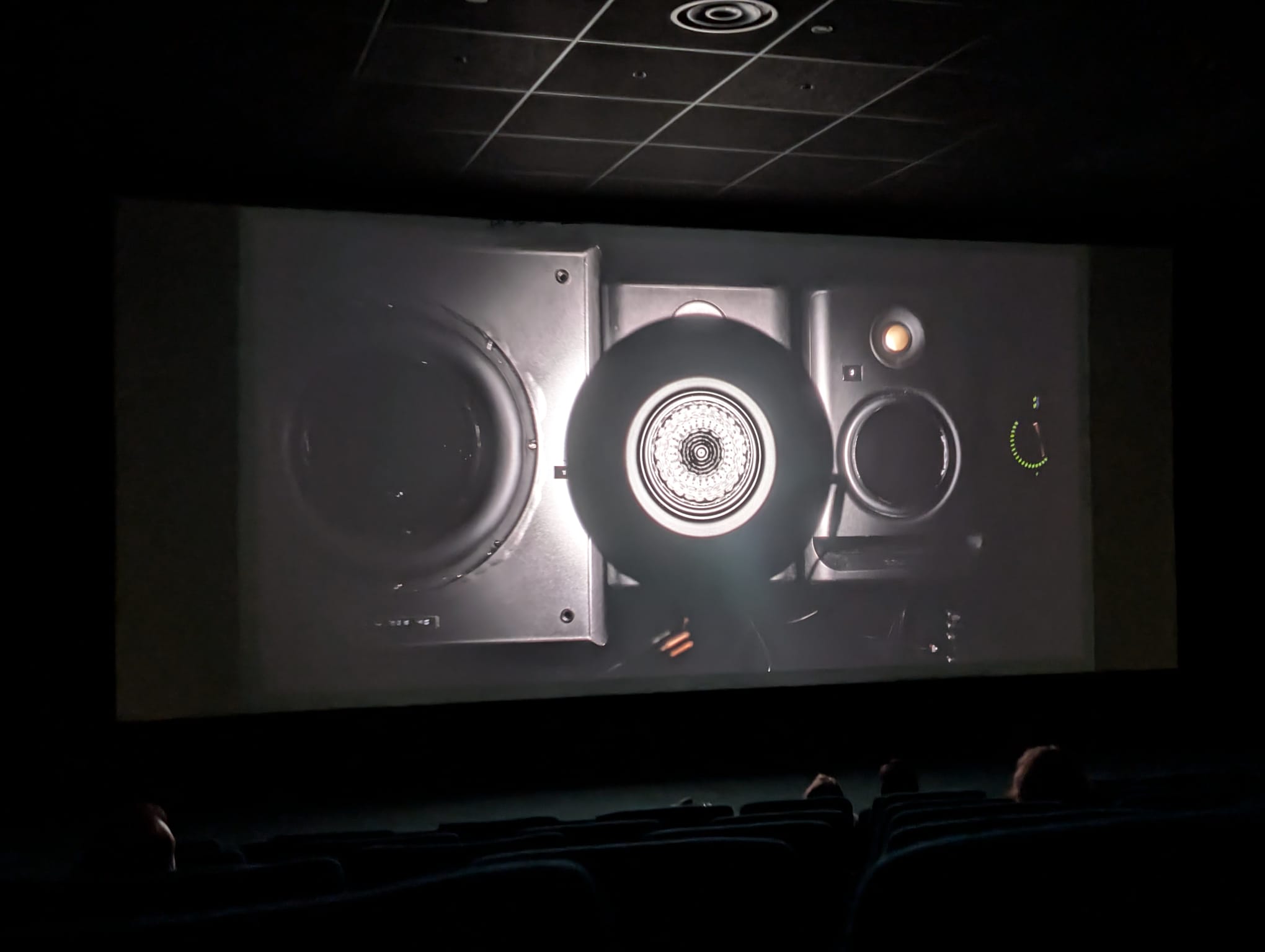
The narration is steady and informative, guiding the viewer through the overlap of art and science. This balance is supported by a score from Nils Frahm and Rival Consoles, which provides a hypnotic backdrop to the visuals. It transforms what could have been a dry biology or physics reel into an audio-visual odyssey.
While it lacks the heavy narrative stakes of a political thriller or a personal tragedy, Phenomena works well as a “time passer” in the best sense of the word. It is pure eye candy that encourages a renewed connection to the natural world. It invites the audience to stop looking at the screen as a source of information and start looking at it as a window into how the universe actually functions. It was a visually interesting, meditative break in a high-intensity festival schedule.
The anatomy of greed
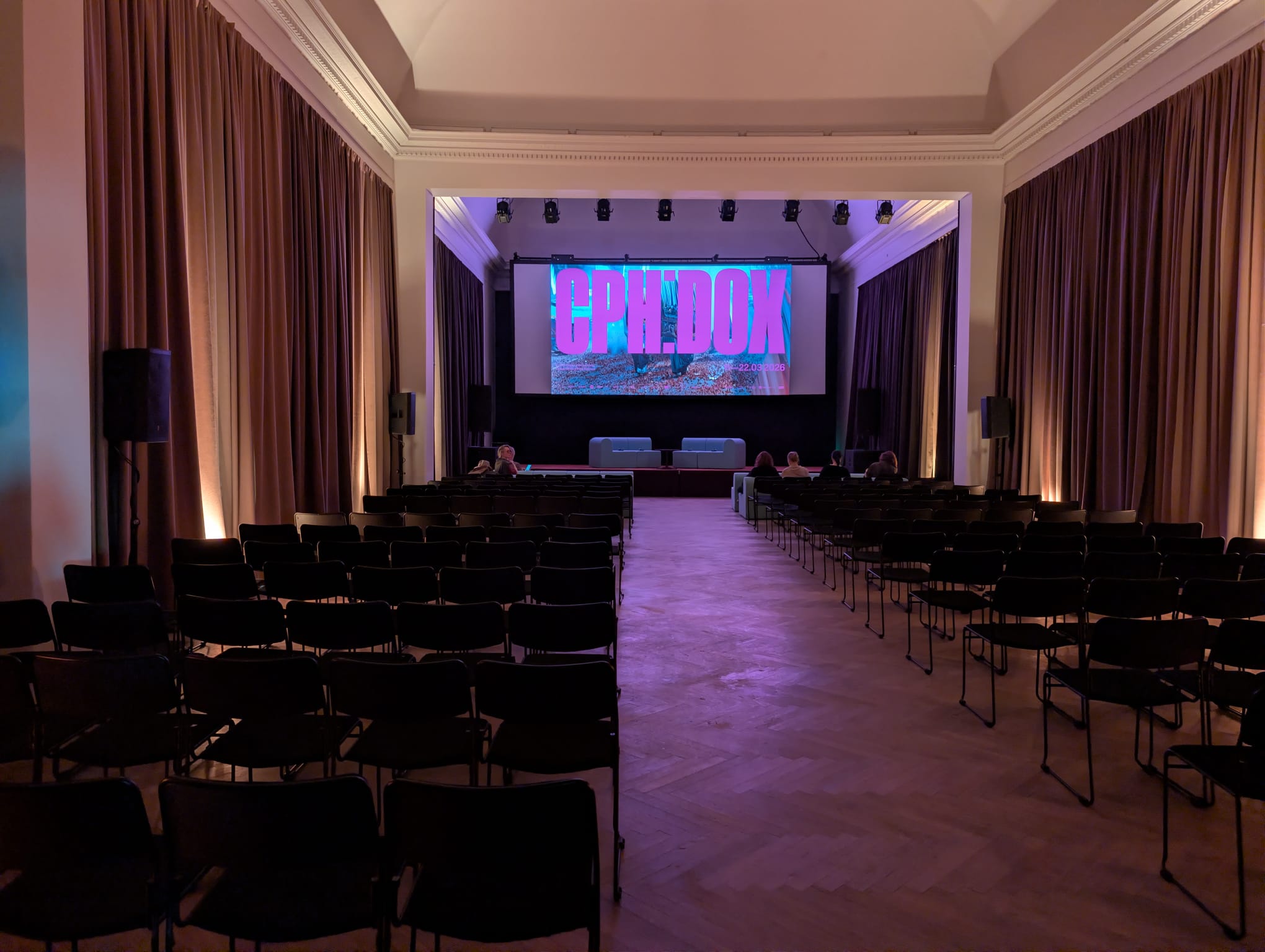
The Oligarch and the Art Dealer is a three-part series with a runtime of nearly three hours. The format actually caused some confusion in the theater. The credits rolled after the first episode. A few people got up and left, completely missing the rest of the story.
The film covers a ten-year legal war between a Russian oligarch, Dmitry Rybolovlev, and a Swiss art dealer, Yves Bouvier. It starts as a friendship. Bouvier becomes Rybolovlev’s trusted advisor in the elite art market. This is a closed world where the value of a painting is just a massive number agreed upon by a few billionaires. Eventually, the relationship falls apart. What follows is a scandal involving power, manipulation, and billions of dollars in alleged fraud.
This was my absolute favorite screening of the festival. It is incredibly entertaining. The film strips away the glamour of the art world and shows exactly what happens when people get greedy. The money completely blurs their judgment. The story is wild, but it is a perfect study of human nature for those who stayed past the first set of credits.
CPH:DOX 2026 Award Winners
After eleven days of screenings across Copenhagen, the juries have made their decisions. CPH:DOX announced its 2026 award winners at Kunsthal Charlottenborg, selecting the top documentaries from a lineup of 74 international films.
If you want to know which films the critics and industry professionals considered the most important this year, here are the main highlights.
The Top Honors
The festival’s main prize, the DOX:AWARD, went to Whispers in May by Dongnan Chen. The jury described the film as a modern-day fairytale that captures a young girl’s journey through the final days of her childhood. It beat out over fifty other world premieres to take the top spot.
Nordic and Investigative Focus
For those of us interested in local and regional storytelling, the NORDIC:DOX award went to The Secret Reading Club of Kabul. Directed by Shakiba Adil and Elina Hirvonen, the film is a piercing call from Afghan homes turned into prisons, exposing the dismantling of women’s rights.
The F:ACT Award, which highlights films at the intersection of documentary and investigative journalism, went to Just Look Up. This Danish-American co-production by Emma Wall and Betsy Hershey was praised for its uplifting look at young people trying to prevent environmental destruction.
If you missed the festival or could not fit these specific films into your schedule, you still have a chance to see them (but you need to be quick about it).
CPH:DOX operates a digital streaming platform called PARA:DOX. The award winning films are available to stream there until April 5.
If you are reading this beyond this date, keep a lookout for TV listings as DR and other channels sometimes show films from the festival.
All in all, this has been an experience right up my alley. While I had to run from work to home to the next cinema, it was all worth it. I got to see multiple cinemas in the city that I have not visited before, I learned new information and felt part of a community of avid film enthusiasts.
Everyone was there to absorb information, popcorn, whatever the choice! The volunteers did an amazing job, the organizers as well and of course, the directors which worked day & night to produce the documentaries.
I am already looking forward to CPH:DOX 2027. I might save some vacation days this time so I can live in cinemas for 2 weeks. Sometimes, the best way to understand the reality we’re living in is to step into the dark and see it through someone else’s eyes.