

Last month, the country was given the chance to vote for which local practices, representations, expressions and skills best represent us. We’ve been taking a closer look at some of the list!
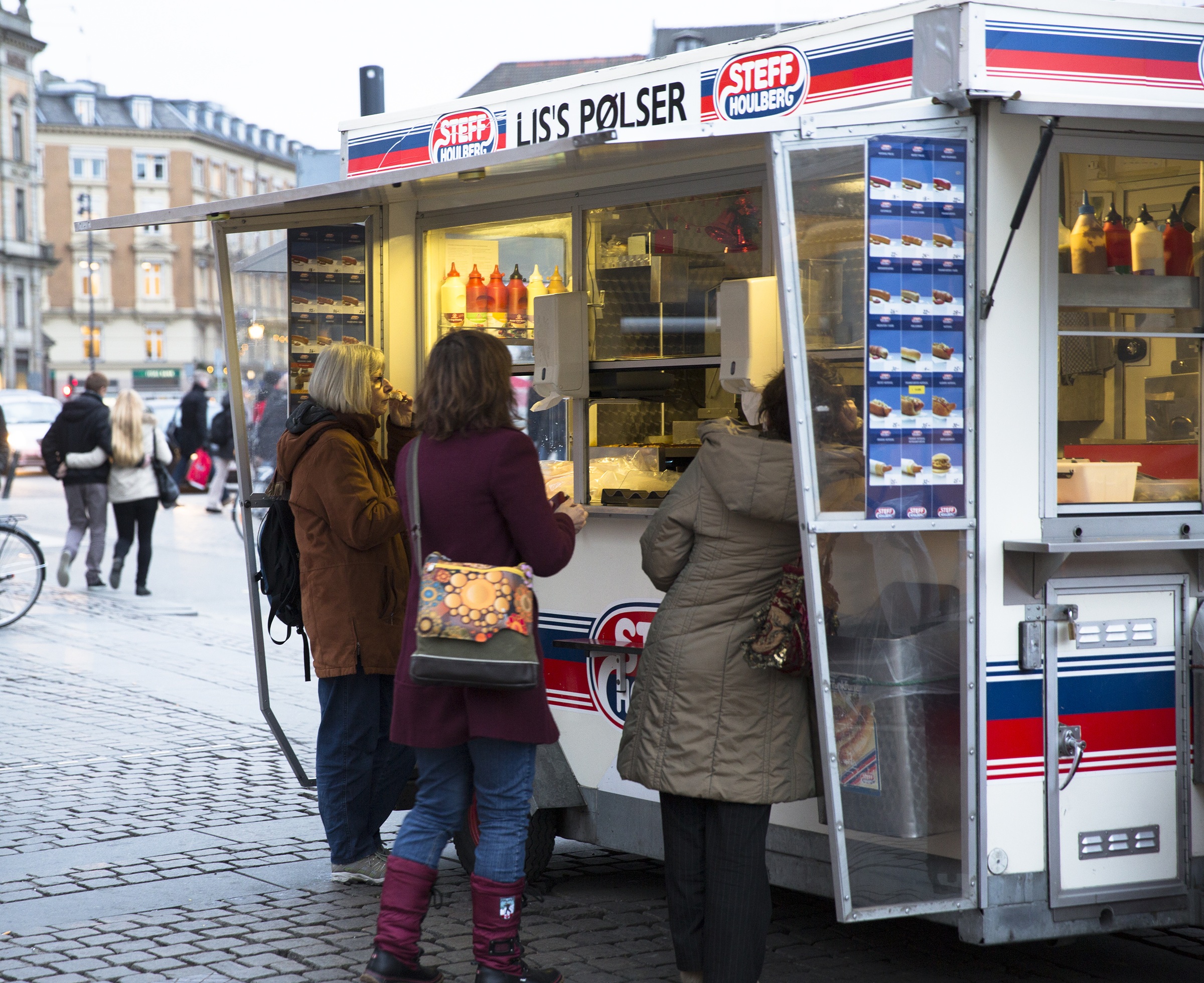
In the heart of Denmark’s culinary landscape lies a humble yet iconic institution: the pølsevogn, or hot dog stand. These mobile eateries have been serving Danes and visitors alike since the early 20th century, offering more than just a quick meal—they provide a taste of Danish culture and community.
A Brief History
The pølsevogn made its debut in Denmark on January 18, 1921, when six mobile stands began selling sausages on the streets of Copenhagen. This innovation was inspired by similar practices in Germany and Scandinavia. The original carts were simple affairs: wooden boxes mounted on wheels, heated by a Primus burner, and stocked with sausages and bread. Over time, these stands evolved, becoming more sophisticated and integral to Danish urban life.
A Taste of Tradition
At the core of the pølsevogn experience is the rød pølse, a bright red, boiled pork sausage that has become a national symbol. Served in a bun and topped with condiments like remoulade, mustard, ketchup, pickled onions, and crispy fried onions, the rød pølse offers a unique flavor profile that distinguishes it from other hot dogs worldwide.
In recent years, pølsevogne have diversified their offerings to include organic and vegetarian options, catering to a broader range of dietary preferences. For instance, DØP (Den Økologiske Pølsevogn) in Copenhagen serves organic sausages and whole-grain bread, reflecting a growing trend towards sustainable and health-conscious street food.
More Than Just Food
The pølsevogn is more than a place to grab a bite; it’s a social hub that fosters community interaction.These stands are often gathering spots where people from all walks of life come together, transcending social classes and backgrounds. In many articles and interviews, food historian Bettina Buhl portrays the pølsevogn as:
- A cultural icon and living heritage in Denmark.
- A simple, democratic meal—no table reservation or cutlery needed.
- A nostalgic fixture in Danish life, spanning generations.
- An initially controversial novelty—once seen as improper (eating on the go) or even dangerous
Vendors play a crucial role in this social fabric. A pølsevogn owner shares, “It’s so nice to have a good chat with the customers who are completely down to earth”. This sense of community and approachability is a hallmark of the Danish pølsevogn experience.
Cultural Significance
Despite a decline in numbers from over 700 in the 1960s and 70s to about 100 pølsevogn today, the pølsevogn remains a cherished part of Danish culture. It’s not just a quick meal; it’s a symbol of Danish hospitality, simplicity, and the joy of shared moments. As the saying goes, “Try a Danish hot dog – simply the best you can get.” It encapsulates the pride Danes take in this culinary tradition.
Conclusion
The pølsevogn stands as a testament to Denmark’s rich culinary heritage and its commitment to community. Whether you’re enjoying a rød pølse on a bustling Copenhagen street or savoring a gourmet version at a modern kiosk, the pølsevogn offers a flavorful glimpse into the heart of Danish culture. So, next time you find yourself in Denmark, don’t miss the opportunity to experience this iconic institution firsthand.