

Last month, the country was given the chance to vote for which local practices, representations, expressions and skills best represent us. We’ve been taking a closer look at some of the list!
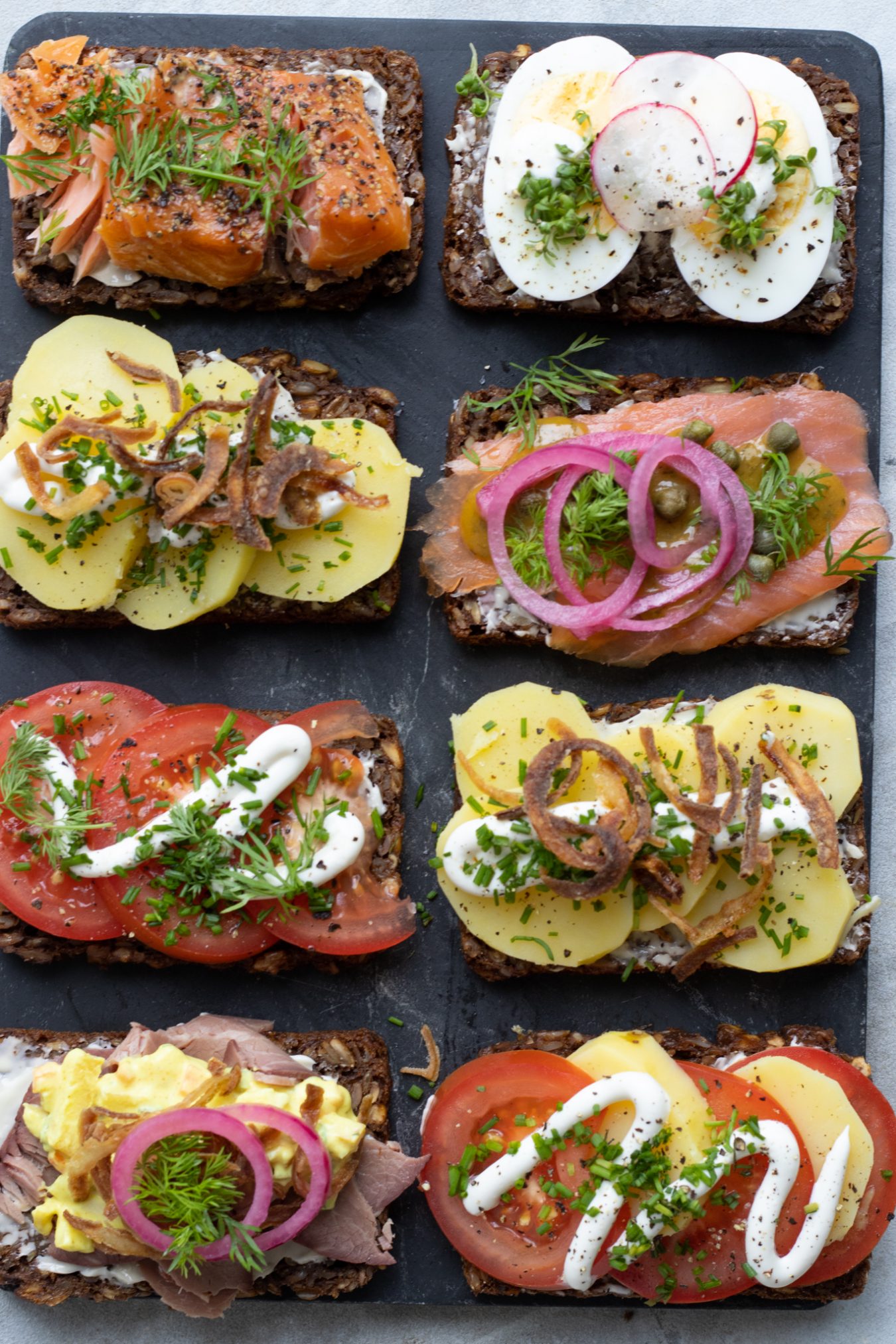
To the untrained eye, smørrebrød might look like a simple open-faced sandwich. But for Danes, it’s a symbol of national identity, family tradition, and everyday artistry. This humble yet elegant dish has become a cornerstone of Danish culinary culture—one that tells a story with every bite.
More Than Just Bread
At its core, smørrebrød (pronounced SMUHR-bruth) means “butter bread.” But that name belies the creativity and care behind each piece. Traditionally built on a slice of dense rye bread (rugbrød), it’s topped with ingredients arranged with both balance and beauty—think pickled herring with onion and capers, roast beef with remoulade and crispy onions, or boiled eggs with shrimp and dill.
Every ingredient matters. It’s about contrast—salty, creamy, crunchy, sweet. It’s a miniature meal built with precision.
A Ritual of Everyday Life
For many Danes, smørrebrød is more than lunch—it’s a daily ritual. It’s what families eat together at home, what’s packed in lunchboxes, and what’s served during birthdays, holidays, and work lunches.
Many grew up with their parents making smørrebrød every day for their school lunch. It wasn’t fancy, but it was made with care. That’s something Danes hold on to.
Whether eaten at home or in a traditional smørrebrødsrestaurant, the dish is treated with a reverence that blends nostalgia with pride.
A Deep-Rooted Tradition
Smørrebrød dates back to the 19th century, when workers began bringing slices of rye bread topped with leftovers for lunch. Over time, it evolved from a practical meal into a culinary art form—especially with the influence of fine dining in the 20th century.
Smørrebrød shows how Danes turn modest ingredients into something refined. It reflects the respect for simplicity, balance, and tradition.
Some classic combinations have even become iconic—such as dyrlægens natmad (“the veterinarian’s midnight snack”), which layers liver pâté, salt beef, and aspic, or stjerneskud (“shooting star”), a lavish combo of fried and steamed fish with shrimp, caviar, and lemon.
A Marker of Danish Hospitality
Serving smørrebrød is also an act of hospitality in Denmark. The presentation—orderly, colorful, and thoughtful—is part of making guests feel welcome.
Bringing out a platter of smørrebrød at lunch is how Danes show that they care. It’s like saying: I took time to make something good for you.
In formal settings, eating smørrebrød even comes with its own etiquette: starting with herring, moving to meat, and ending with cheese, all eaten with knife and fork.
A Cultural Renaissance
In recent years, smørrebrød has enjoyed a revival, thanks to Denmark’s growing global culinary reputation. Modern chefs are putting creative spins on old favorites—introducing foraged herbs, fermented vegetables, and artistic plating—without losing the soul of the tradition.
Michelin-starred chef Adam Aamann, who helped reintroduce the dish to a new generation of Danes, isn’t interested in reinventing smørrebrød in a disruptive way—rather, he celebrates and elevates it. He restores neglected flavors, refines ingredient balance, draws from seasonal and Nordic origins, and presents beautifully crafted plates. His goal? To highlight how smørrebrød reflects Danish culture—through taste, ingredients, craft, and aesthetics.
Conclusion
Smørrebrød is more than food—it’s a reflection of Denmark itself. Grounded in modest ingredients but elevated through care and creativity, it speaks to the Danish values of simplicity, beauty, and community.
So whether enjoyed in a Copenhagen café or packed in a lunchbox by a parent’s hand, smørrebrød remains a beloved emblem of what it means to be Danish.