
In a small Odense street, a shoemaker’s son dreamed of theatres and castles. His imagination helped him get through grey winter days, and his dreams led him from the narrow streets of his hometown to the royal salons of Copenhagen, and eventually far beyond Denmark’s borders. That boy was Hans Christian Andersen – one of the greatest storytellers of all time and probably the most widely known Dane in the world.
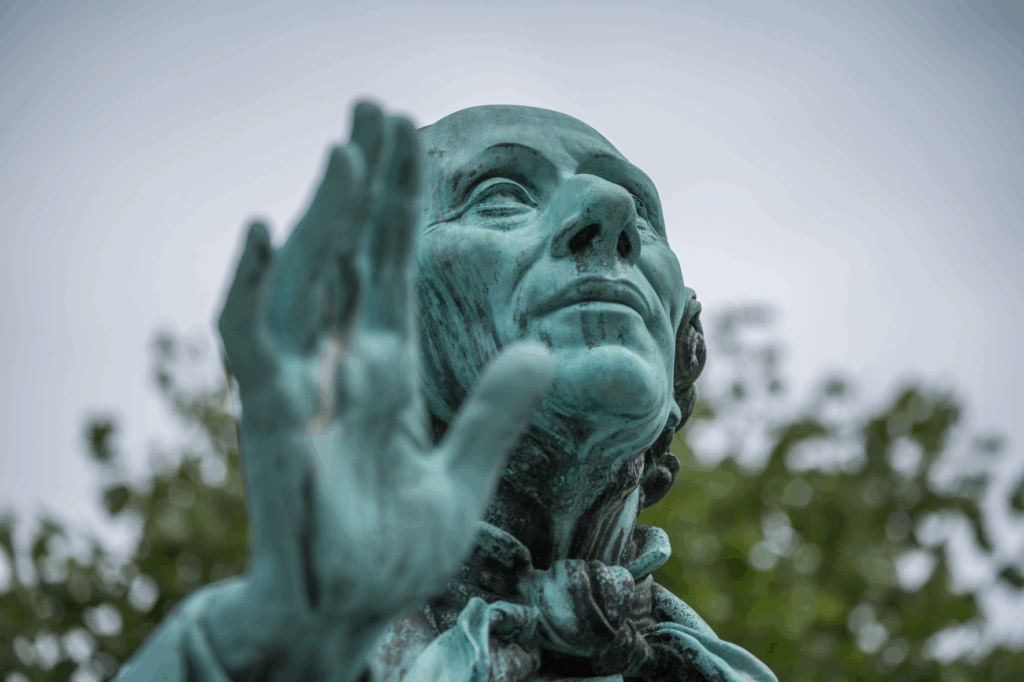
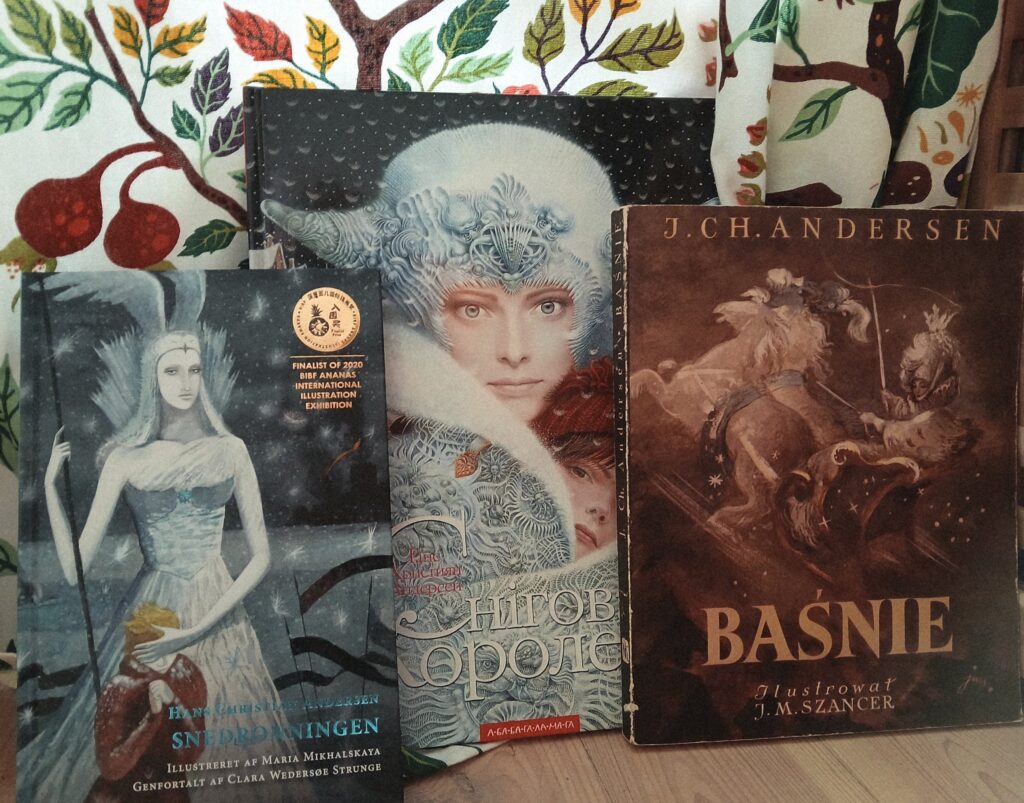
Andersen’s fairy tales are known in countries where he never dreamed of setting foot. They are popular in Poland, Brazil, Japan, and Australia, read to children at bedtime or reimagined in countless adaptations on stage and screen. Many internationals in Denmark, like me, first met him when we were children: I remember being half frightened, half fascinated by the strange worlds of his stories. They seemed darker, more fragile, and more honest than the usual moral tales for children. As adults, Danes and readers across the globe still return to his works because they don’t moralise, and never lead to easy and obvious conclusions. They go deeper beyond the good and evil stereotype.
For Denmark, Andersen is far more than a beloved author. His stories have become part of the Danish sense of self and shared history. To understand Denmark, it helps to understand why these stories are seen as a national treasure.
Fairy Tales as Emotional Landscapes
Andersen’s stories speak strongly to Danes because they don’t promise simple happy endings. His characters struggle with longing, loneliness, and change. The endings of The Little Mermaid or The Little Match Girl may feel harsh, but to many Danes, they reflect life as it is and where joy and sorrow often sit side by side. This outlook reflects the Danish temperament, which values modesty, resilience, and honesty about hardship. In these tales, people find recognition of life’s difficulties as well as a reminder that imperfect lives can also carry meaning.
Allegories for a Nation
Certain tales are especially cherished as mirrors of Danish values.
The Ugly Duckling is likely his best-known tale of transformation. It speaks of exclusion, difference, and eventual acceptance. And it echoes the Danish belief in personal growth and the possibility of belonging.
The Emperor’s New Clothes is often quoted in Denmark when talking about honesty and courage. To “be the child who says the emperor has no clothes” is to value truth over conformity, a principle that Danes highly value in public life and politics.
The Princess and the Pea embodies Danish humor and irony. It pokes fun at social class while celebrating sensitivity, and is a gentle satire that reflects the national taste for understatement and modest wit.
The Little Mermaid, both the tale and the Copenhagen statue, has become a symbol of the nation itself. Her longing and sacrifice are often seen as expressing something uniquely Danish: the tension between dreams and limits, the beauty in unfulfilled desire.
Each of these stories carries a layer of collective meaning. They are not just entertainment, but part of the cultural reference points that shape Danish identity, that return again and again in schoolbooks, songs, art, and political speeches.
From Outsider to National Symbol
It is worth remembering that Andersen was not always understood and appreciated at home. During his lifetime, Danish critics often dismissed him as naïve, odd, or unsophisticated. His style – mixing realism, fairy tale, and emotion – did not fit the expectations of serious literature. But as his reputation grew abroad, especially in Germany and England, Danes began to see him differently. His international success became a source of national pride.
By the end of his life, Andersen was celebrated with official recognition, statues, and public readings. Today, his works are studied at universities, staged in theaters, and explored in museums. The style that puzzled his contemporaries is now admired as visionary. Andersen is remembered not only as a master of fairy tales but as a national treasure who gave Denmark a global voice.
A Living Conversation
Andersen’s stories are not frozen in the past. They remain alive because Danes keep interpreting them in new ways. Museums and universities continue to study Andersen’s work and link his tales to themes like democracy or social responsibility. Parents and grandparents still read them aloud at home. Each generation interprets the stories differently, according to their own lives and questions.
The darker notes in Andersen’s tales spark conversations about exclusion, vulnerability, and resilience. Rather than avoiding these topics, Danish culture embraces them. In this way, Andersen helps shape not just literature but the way Danes see themselves: as a people able to hold light and shadow together.
For Internationals in Denmark
Living in Denmark, you will come across Andersen again and again – at Tivoli Gardens, in bookstores, at school events, or even in political debates. His fairy tales are not only part of cultural heritage. They carry memories, humor, modesty, and values that Danes continue to identify with.
Andersen’s lasting gift to Denmark is the reminder that imagination can grow from the humblest beginnings. The shoemaker’s son from Odense created stories that still shape the nation’s identity and outlook. For those who have made Denmark their home, his fairy tales offer insight into how the country understands itself, and are an invitation to make the ugly duckling, the little mermaid, or the emperor’s truth-telling child part of your own journey here.