
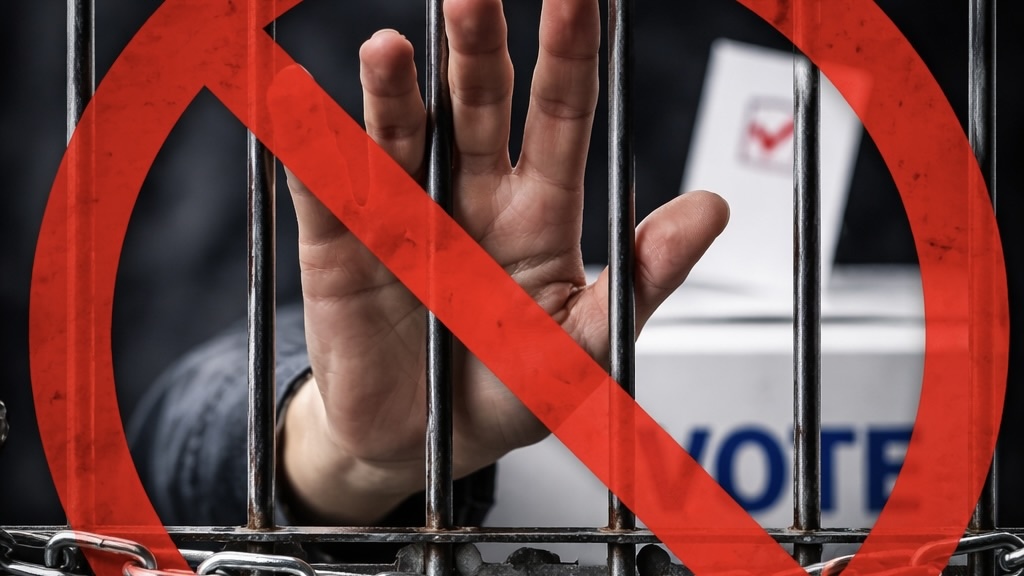
Denmark’s upcoming national elections are dominating the headlines right now. But with more than 500,000 international residents locked out of voting on March 24th, the divide between who belongs and who doesn’t, whose voice matters and whose doesn’t, is sharper than ever.
This week, Simone Giuseppe Uggeri, leader of Billund International, Denmark’s first ever international civic list party, sent an open letter to the Folketing, Denmark’s national parliament It asks all candidates to consider the interests of Denmark’s international residents and to work towards a more inclusive democracy here, based on the contribution made by individuals rather than their passport.
We are not just here to pay taxes and observe while our future is planned without us. Let us decide on it together.
As the elections loom, immigration is once more a hotly contested national debate. Yet internationals themselves have no voice in it. Uggeri wants to change that: “We are moving targets here. From left to right, politicians talk about us and that’s unfair. Why don’t they talk with us instead?”
Uggeri, an Italian citizen who has lived here since 2016 and considers Denmark home, came to national attention last November when Billund International’s campaign was picked up by the media and he was interviewed on DRTV. While his party didn’t win a seat on the municipal council, they pledged to continue to work towards greater inclusion, participation and integration for internationals here. His open letter is part of that commitment.
This is about the people who stay for 5, 10, 15 years. The people who are fully committed but haven’t yet reached the end of an increasingly long and difficult citizenship path.
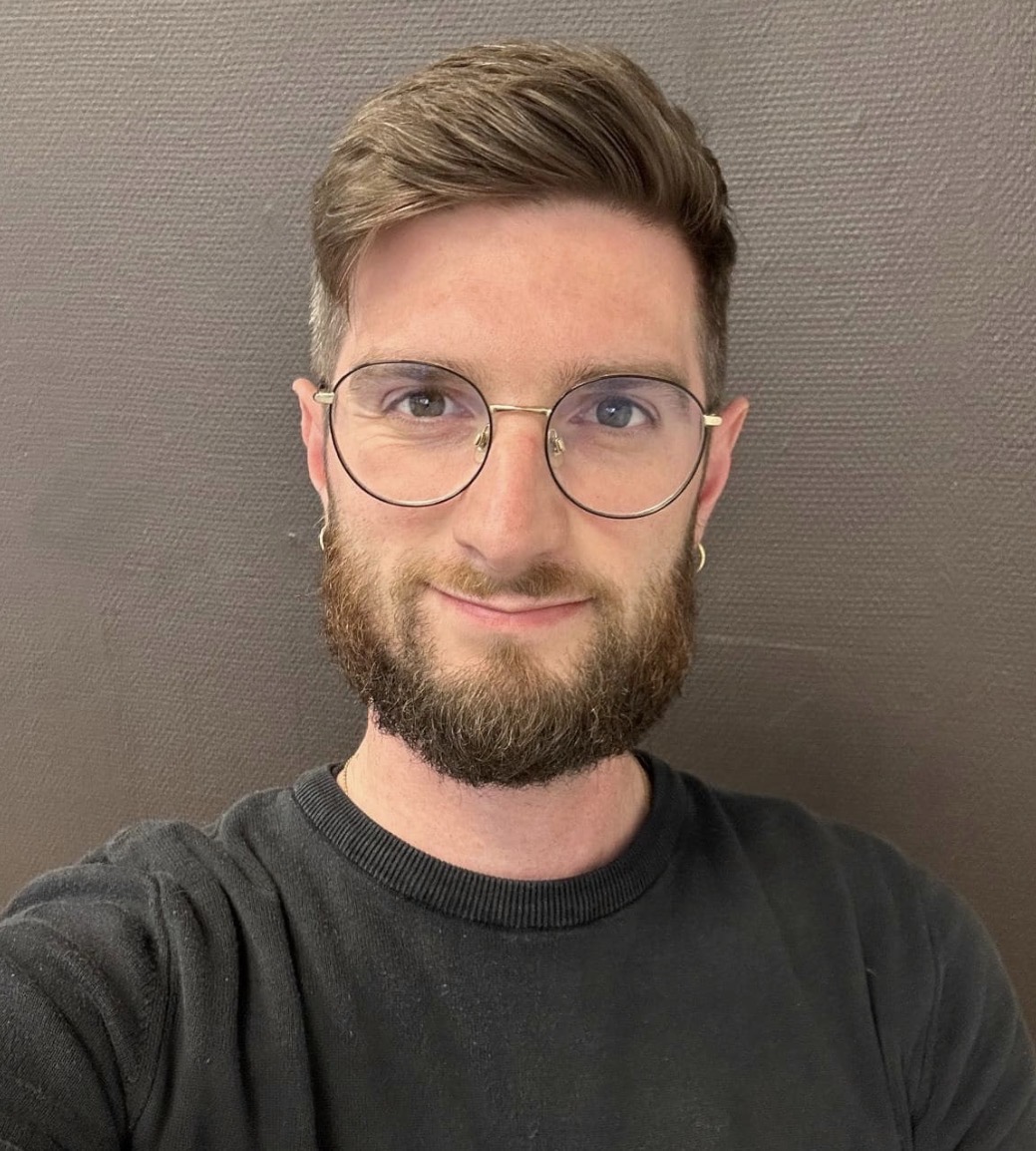
Image credit: Simone Giuseppe Uggeri
Denmark is not alone in limiting participation in national elections to citizens: non-citizens cannot vote in most other countries around the world. However, what sets Denmark apart is the proportion of non-citizens in the country (nearly 15%) and the notoriously complex, drawn out process of becoming a citizen here compared to other European countries. For many internationals, holding a Danish passport seems an impossible dream.
Uggeri feels strongly that civic engagement should be more important than the passport you hold when it comes to democracy. “I believe we should start to be more vocal about that,” he told Last Week in Denmark. “It’s not a question of ‘Are you Danish enough to vote?’ What matters is that we want to participate, and most of us internationals do. Belonging is about participation. I am not talking about giving a vote to someone here for six months on a working holiday. This is about the people who have been here for 5, 10, 15 years. The people who are fully committed but haven’t yet reached the end of an increasingly long and difficult citizenship path.”
Then there is the tax contribution made by internationals to the country. “The slogan ‘No taxation without representation’ is as old as democracy,” Uggeri says. “We are not just here to pay taxes and observe while our future is planned without us. Let us decide on it together. History shows this makes sense, if we think of the suffragettes for example. And Denmark was one of the first countries in Europe to give the vote to women. We are at the forefront of so many progressive social movements. Why can’t we also be the first in Europe to grant the vote to non-citizens?”
From left to right, politicians talk about us and that’s unfair. Why don’t they talk with us instead?
Uggeri is keen to raise awareness amongst internationals of the importance of having a voice in the national elections. “The whole policy of the country is decided in the Folketing,” he says. “If we can’t participate in these elections, there is no incentive for politicians to speak to internationals and consider issues that directly affect us in their campaigns. Internationals are students, a significant part of the labor market, parents. We come from different ethnic groups. We live in a democracy and we should have a voice in the country.”
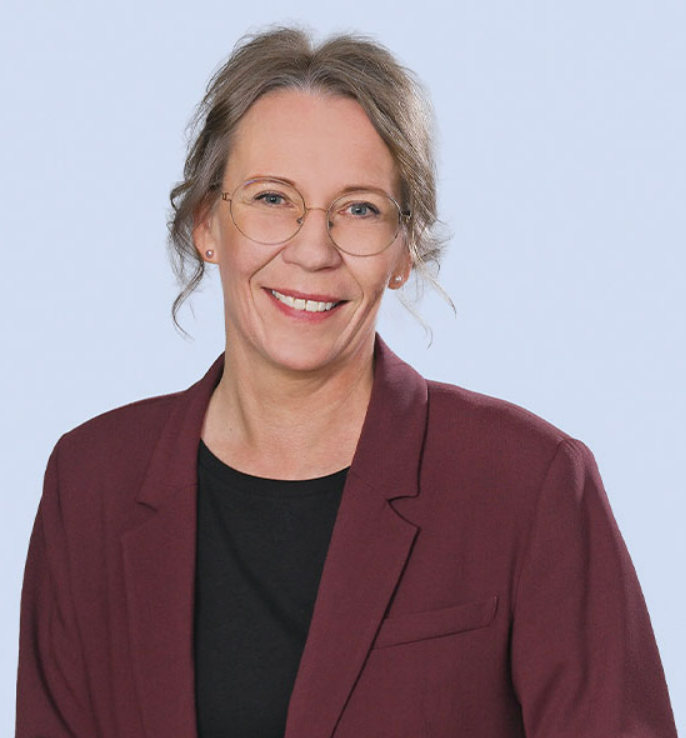
Uggeri’s campaign has support from some Danish politicians. Gitte Bjerremand Andersen, a candidate for Moderaterne in South Jutland, told Last Week in Denmark, “I have great respect for the perspective Simone raises. Thousands of internationals contribute every day to our companies, our innovation and our welfare society. I believe it is very important that we continue the dialogue and listen to internationals’ perspectives and experiences.”
Monika Lillelund, a member of SF in Billund Municipality says: “I believe that when people become actively involved in democracy, it brings a genuine sense of belonging. If we want people to choose to stay in Denmark, this is the way forward.”
Uggeri has also been contacted by several members of the Folketing – Victoria Velasquez and Pelle Dragsted of Enhedslisten and Erik Rasmussen of Venstre – who are keen to start a dialogue with him.
In the run up to March 24th, Uggeri urges all internationals to play a part in starting a national conversation around the issue. “It’s very important that we all talk about this,” he says. “Talk to your Danish colleagues, tell them you’d love to be able to vote and why.”
Denmark is at the forefront of so many progressive social movements. Why can’t we also be the first in Europe to grant the vote to non-citizens?
Uggeri also wants to encourage internationals to get involved in the election process as much as possible. “Find a way to participate,” he says. “Offer your services. We’re not allowed to help out at polling stations or count votes, but offer anyway if you’d like to do that. Let those answering your email think about how it might feel for someone to offer to assist the democratic process and receive a no.”
What are we allowed to do as internationals? “We can offer to help with campaigning, for example handing out flyers or engaging with and sharing posts on social media,” says Uggeri. “I’ll be doing that. Anything that gives us a foot in the door.”
Uggeri’s open letter to the Folketing
Dear Members of the Folketing and Candidates,
As the election approaches, you are rightfully focused on the future of Denmark: our schools, our healthcare, and our economy. But I am writing to you today to highlight a profound democratic paradox that sits at the very heart of our society.
Right now, over 500,000 residents in Denmark are excluded from the national ballot box. We are people who have lived here for five, ten, or twenty years. We are doctors, engineers, designers, analysts, we are your neighbors, and your friends. We all pay some of the highest taxes in the world, contributing billions to the welfare state we all cherish. We speak the language, our children go to Danish schools, and our hearts are invested in this country’s success.
Yet, when it comes to the laws that govern their lives, the very laws you will be debating in the Folketing, we are met with silence.
You already acknowledge the value of these residents at a local level. Denmark wisely allows non-citizens to vote in municipal and regional elections. You trust us to help decide how our local hospitals are run and where our bike paths are built.
Why, then, does that trust vanish at the national border? How can we say to a person, “You are Danish enough to contribute your salary and your local vote, but you are not ‘Danish enough’ to have a say in the future of the nation you call home”?
True democracy isn’t just about a passport; it’s about belonging and responsibility. When a large, tax-paying portion of the population is disenfranchised, the legitimacy of our democratic decisions is weakened.
We are creating a “ghost” class of residents who fulfill all the duties of citizenship but enjoy only a fraction of its influence.
As you campaign for a seat in the Folketing, I ask you to consider:
Will you represent the interests of all who contribute to our society?
Will you work toward a more inclusive democracy where long-term residency and contribution earn a seat at the table?
Denmark has always been a pioneer of fairness and equality. Let us lead the way again by ensuring that those who help build Denmark have a hand in steering its course.
I look forward to hearing your thoughts on how we can bridge this democratic gap.
Med venlig hilsen,
Simone Giuseppe Uggeri
Leader of Billund International