

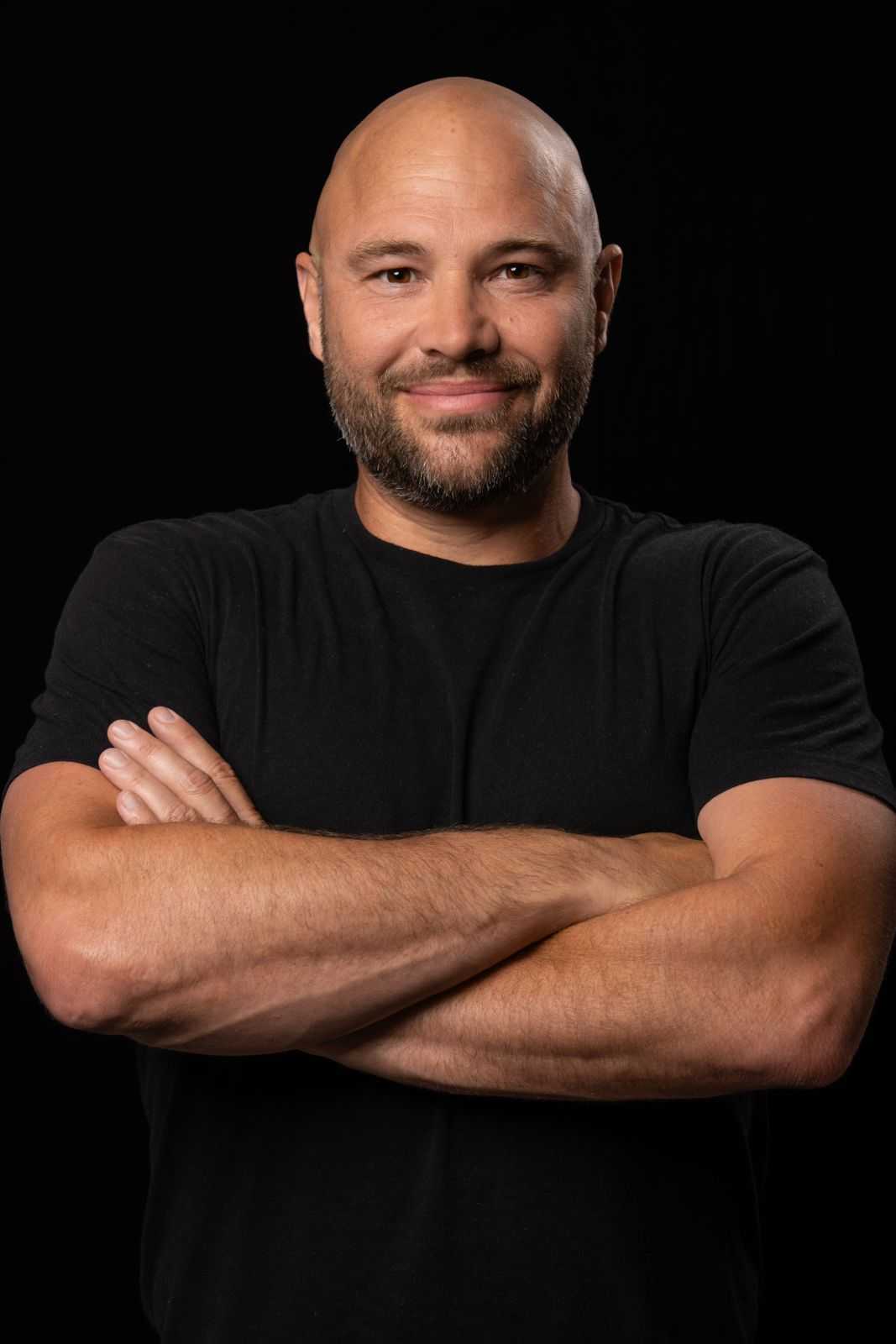
Party: Moderates (Moderaterne)
Candidate for: Local council – Copenhagen Municipality
Like any European capital, Copenhagen is an international city. Roughly a quarter of its population is non-Danish, and in some neighbourhoods such as Ørestad, the figure climbs to 40%. Yet this sizable minority is barely represented in the city’s local councils. Some are now attempting to change that.
If you picture an “international in Denmark”, Nico Blier-Silvestri would fit the bill perfectly. Originally from France, he’s lived on three continents, worked for major companies in the Netherlands, Ireland and India and finally settled in Denmark in 2012.
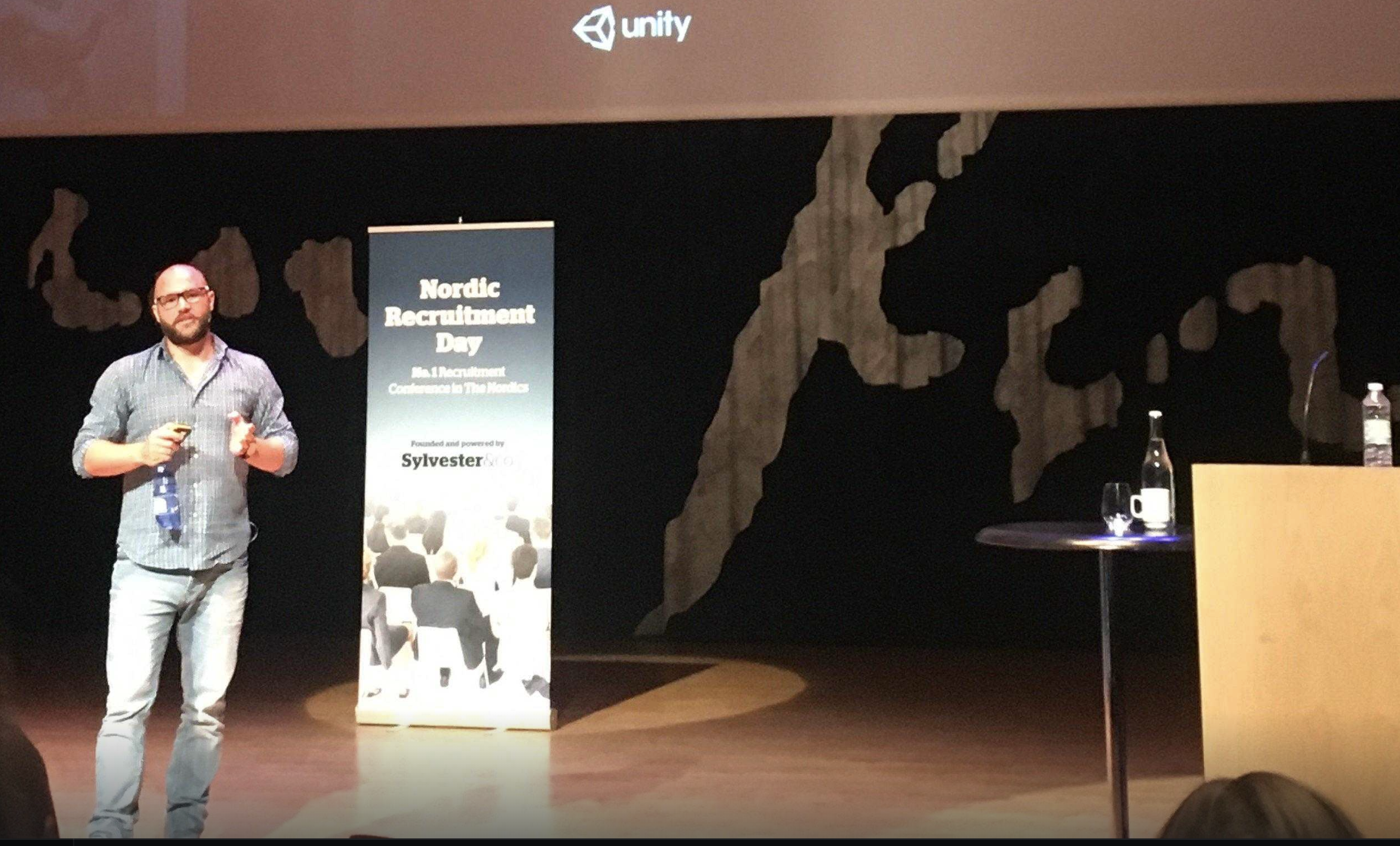
He lives here with his Danish-Italian wife and their 2 children. His CV displays a number of impressive Danish companies including Trustpilot and Unity among others.
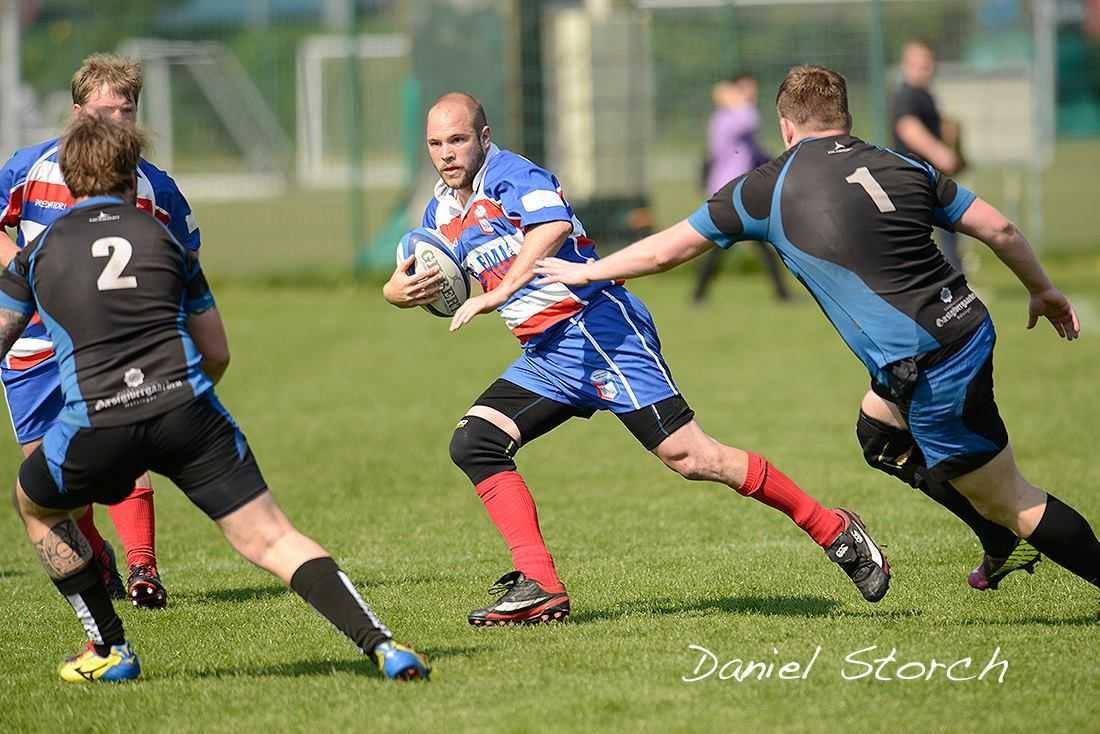
He joined me on a call, in between busy investor meetings, with one arm in a brace – a casualty of his other passion: rugby.
Political mission shaped by experience
Nico is full of energy, and has a reputation of speaking his mind. His stated political goal on his campaign website is to attract and retain the best talent for an inclusive and successful Copenhagen.
But he’d also like to highlight some of the practical absurdities that internationals face when moving here: “In the past 13 years, I’ve hired thousands of internationals in Copenhagen. But it’s very difficult to move here. You can’t get an apartment until you have a contract, but you can’t have a contract before you get a CPR number, and you need an address for a CPR number. It’s like a Catch-22 from hell.”
After many years in Denmark, he’s seen first hand many of the challenges people face, and how many that live and work here are not always appreciated. So his second motivation is more personal: the feeling of being unheard. “I sometimes feel voiceless in this country, in this city,” he says. “There’s an attitude of: you’re so lucky to be here, but I’m not lucky, I live here, I pay taxes here. It should be more: we are lucky to have you.“
Nico points out that the fight for talent is increasingly global, and countries that make life easier for skilled internationals win. He mentions the Netherlands, where he felt a greater appreciation for the international workforce.
Taking the Political leap
Having made Denmark his permanent home, Nico decided to confront these issues politically. Though he considers himself more left-leaning, he joined Moderaterne, announcing his candidacy for Copenhagen’s local council on Constitution Day: “I see Moderaterne as a startup, with growing pains. There’s a lot to build, they stand to the left on some things, to the right on others. They’re the most pro-European party in Denmark and overall, what they stand for, I believe in.”
Nico wants to inform internationals they can vote in the local elections, and explain why they should. More than that, he argues, they must recognize their own collective power: “Trustpilot, Unity, Peakon, these companies would not exist in their current form without internationals. And on a larger scale, imagine telling Novo Nordisk or Mærsk that, starting tomorrow, they must give up every international worker.” As a side note, at the beginning of August 2025, Novo Nordisk appointed Mike Doustdar, its first non-Danish CEO in the company’s 100 year history.
Integration, Language and Taxes
To better understand his community, Nico conducted a LinkedIn survey, asking respondents about their demographics, ties to Denmark, and frustrations. The results: 60% were EU nationals, mostly aged 30-40. The recurring issues were housing, language, and discrimination. One-third had Danish partners, yet two-thirds were still not fluent in Danish, despite having been here an average of 3-9 years.
Nico is not happy with the one-dimensional measure of integration so often applied: speaking the language. “I’ve been told repeatedly that I’m not integrated because I don’t speak Danish,” he says. “Yet I have a Danish wife, two Danish children, and I pay taxes.”
He argues that integration is currently framed by rejecting those who lack certain abilities. Instead there should be a more inclusive approach: participation in the workforce, contributions to the economy, raising families.
Campaign like a startup
Rather than make grandiose promises, Nico wants to focus on smaller, real, solvable problems. He would like to run his political campaign like a startup: “I would rather sit down, talk to people, and pick three to five problems. They might not be big, but they can actually be solved. Then approach them as we do in startups: make a project, iterate, and fix them.”
He mentions Aula, the mandatory school app for parents, which is only available in Danish. For newcomers, this can be very difficult, he says: “Why not add a small flag icon so it’s available in English, German, Italian, or Spanish? It’s not a massive change, but it would make parents feel included and more involved in their kids’ lives.”
Nico also wants to import the “town hall” tradition from the startup world: open discussions where Copenhageners can identify issues together. “I’m not saying I have all the solutions. Right now it’s really more about listening to people,” he says. “And if people believe that I can be the right person to have their voice heard, then vote for me.”
Whether a political campaign in Denmark can be run like a startup is an open question. What is certain is that more internationals are beginning to step forward, dedicating time and energy to improve their adopted city. That, surely, is a welcome form of integration.
Nico’s political profile page: https://moderaterne.dk/politiker/nico-blier-silvestri/
Nico is most active on his LinkedIn account: https://www.linkedin.com/in/nicoblier