
The seasons have turned and spring has again graced Denmark. It may not be warm enough just yet to sit outside in absence of substantial outerwear (at least not without the benefit of patio heaters and ample blankets), but anemones and daffodils and even cherry blossoms have emerged — and there’s a warmth to the sun’s rays that isn’t present through winter.
With the return of longer, warmer days, there’s also an increase of visitors. Direct flights to Copenhagen from Canada and from medium-sized US cities are reappearing on airline schedules. Cruise ships proliferate. Residents from not-too-distant European nations flock to Denmark for extended weekends to experience its fairy tale architecture, refined culinary scene, and eye-watering prices.
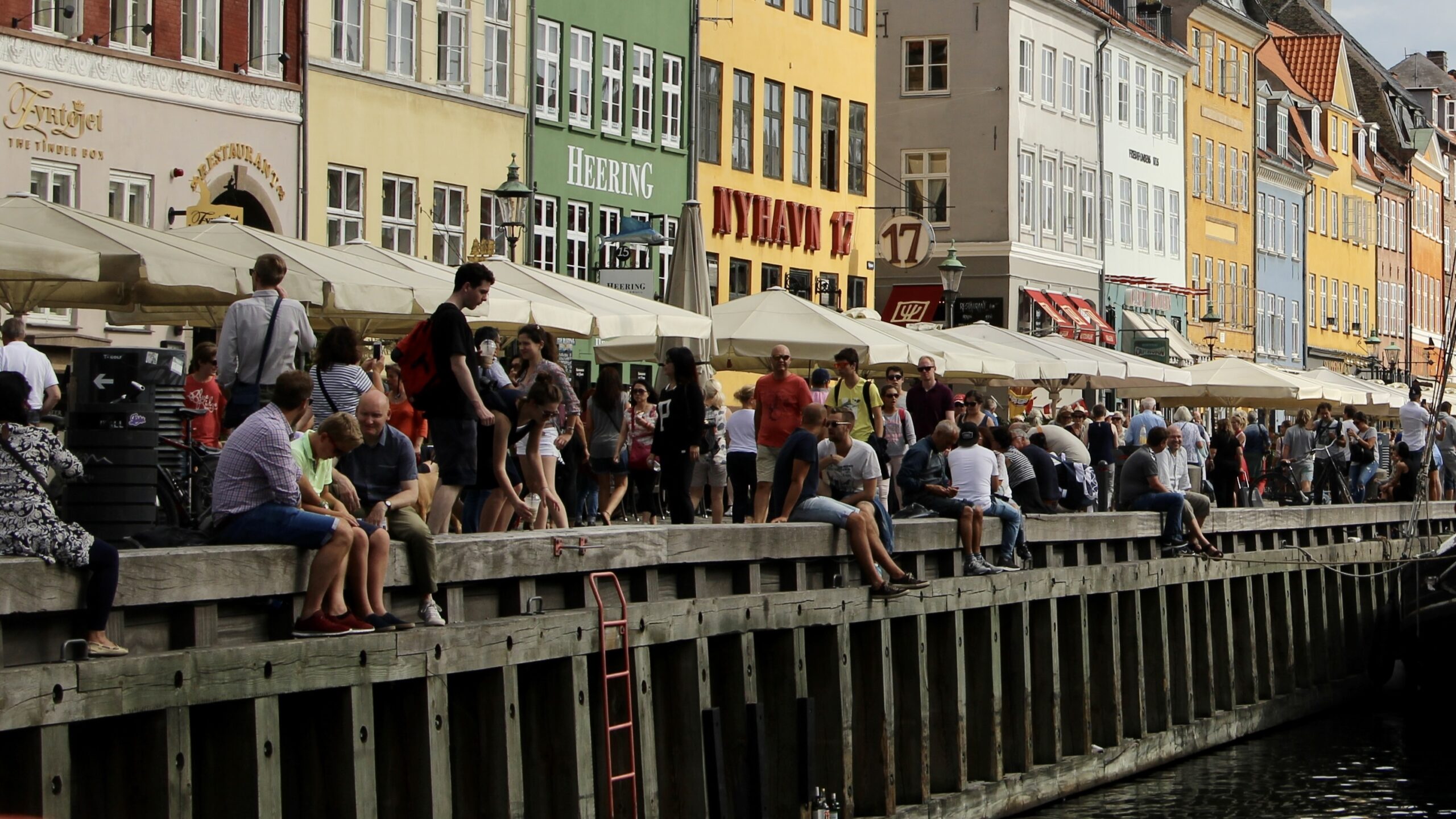
When we first moved back to Denmark in 2025 after six years away, my husband and I temporarily called Christianshavn home. Inspired by Dutch cities, the central Copenhagen neighborhood was established in the early 17th century by Christian IV and retains its maritime charm. Brightly painted facades, sparkling canals, cobblestoned streets; the neighborhood is beautiful. And hordes of tourists think so, too.
I understand why Copenhagen is a tourism hotspot. It’s easily navigable by transit or bike, or even on foot. Compared to sprawling metropolises like Rome or London, most ‘must-sees’ in Denmark’s capital city are closely clustered. High English proficiency amongst Danish residents means visitors need not know any of the local language, plus basics like ‘Tak’ and ‘Skål’ are pretty easy to get your head (and tongue) around. While it’s often pricey and there’s no shortage of tourist traps offering generic grub, food here tends to be high quality, with the impact of the New Nordic Kitchen manifesto visible from street food vendors and coffee shops to Michelin-starred restaurants.
In the early days of spring last year, we started to get frustrated with Christianshavn’s sightseers. Over-tourism and sustainability are legitimate problems and living in a touristy neighborhood can be exhausting. I’m highly sympathetic to complaints about visitors snapping pics through windows and attempting to stride into private residences from dwellers in the Kartoffelrækkerne (literally the ‘Potato Rows’) area of Copenhagen. I can’t even imagine what living in the apartments dotted along Nyhavn must be like.
I will admit, however, that playing ‘how many return waves can we get?’ with the canal boat crowd never got tired. (I might be slightly obsessed with greeting strangers.)
Thankfully, my husband and I settled on the fringes of Copenhagen in an area that sees almost no tourist traffic. Robot lawn mowers are more common sights than Instagram boyfriends and it’s predominantly locals lining up for ice cream cones the size of your head.
As our own friends and family prepare their pilgrimages to the heart of urban hygge, it’s somewhat galling that we run the risk of feeding the Copenhagen tourism machine ourselves. It would be easy to stick to crowd-pleasers like Tivoli and Amalienborg, and to iconic, picturesque places like Nyhavn and Rosenborg Castle. Or share a grumble about the disappointing size of the Little Mermaid statue. With the sightseeing fueled by kanelsnegle, open-faced sandwiches, and probably the best beer in the world. But there are plenty of lesser-trafficked attractions that provide a less congested, more relaxed view of the region.
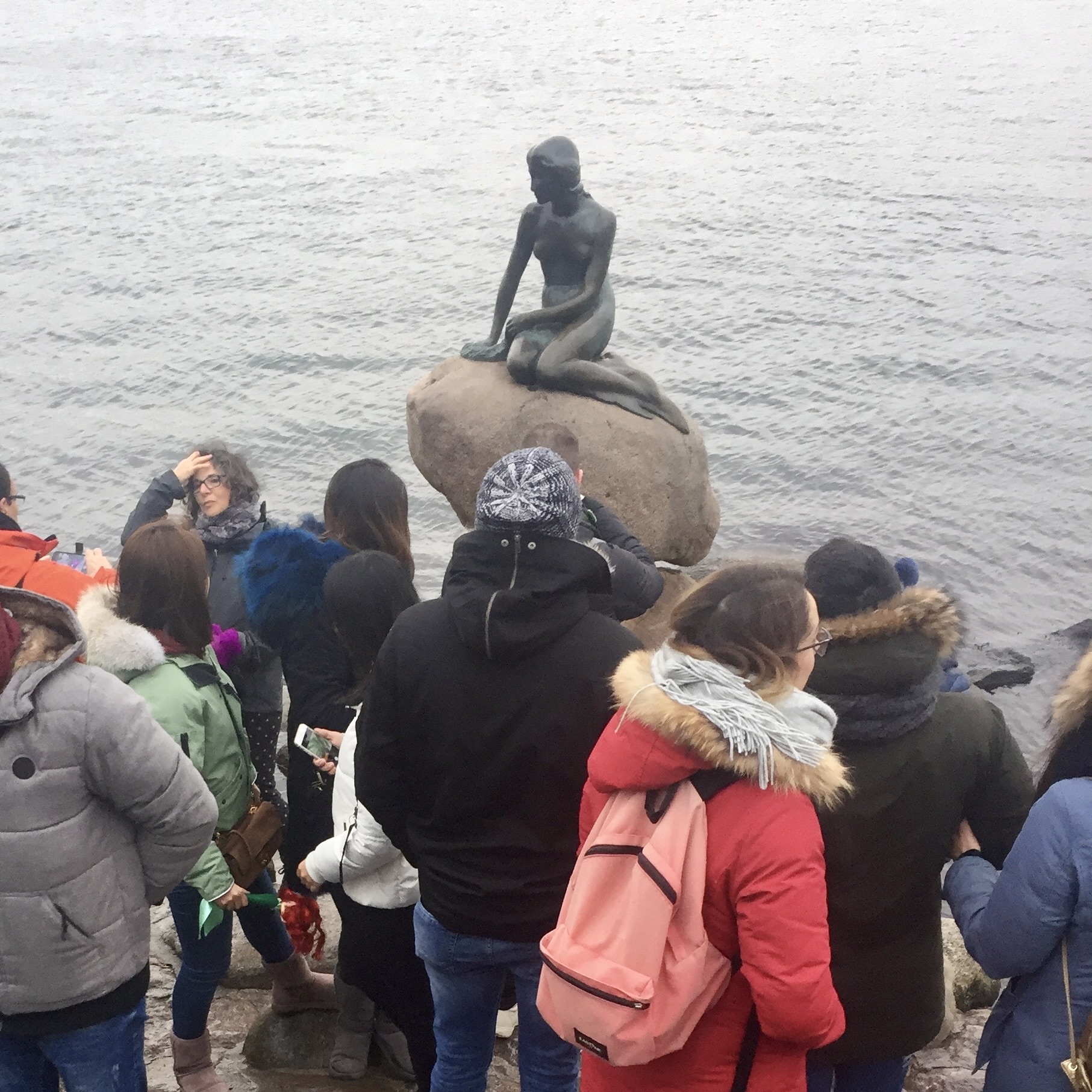
Photo credit: Tony Mayer
For instance, there’s no shortage of castles within day-tripping distance: Kronborg in Helsingør and Frederiksborg in Hillerød are on the same line as our closest train station. If ticking another country off the list is in the cards, Malmöhus Slot is within reach in southern Sweden. Cultural icon Louisiana is nearby, as is the unique experience of Bakken, whose 1583 opening makes it the oldest theme park in existence.
We’re not alone in wanting to help visitors get off the beaten path and decrease the environmental impacts of their journeys. Fellow Last Week in Denmark writer John Dixon spotlights hidden gems accessible by train in his marvelous Jeg Tog To Tog series. Initiatives like CopenPay reward travelers for making environmentally sound decisions (my fingers are crossed that this conscious-travel program returns after its success in 2024 and 2025). Time Magazine named SMK Thy in Doverodde, Denmark, one of the world’s greatest places of 2026 and UNESCO recognized Møns Klint as a World Heritage Site.
There’s plenty to see in Copenhagen and across Denmark without tromping to conventional sites. If you’re building itineraries for visiting friends and family (or traveling yourself), consider lesser-known spots or simply frequenting your usual haunts with guests in tow. They’ll get to see what Danish life is really like and avoid the congestion of over-tourism.
Disclaimer: I may have a hidden agenda. I’ve had more than my fill of people taking selfies against the backdrop of blooming cherry trees or stopping suddenly in the center of the sidewalk to gawk at towers. At the risk of sounding unbearably grumpy, get off my (metaphorical) lawn, you whippersnappers!