




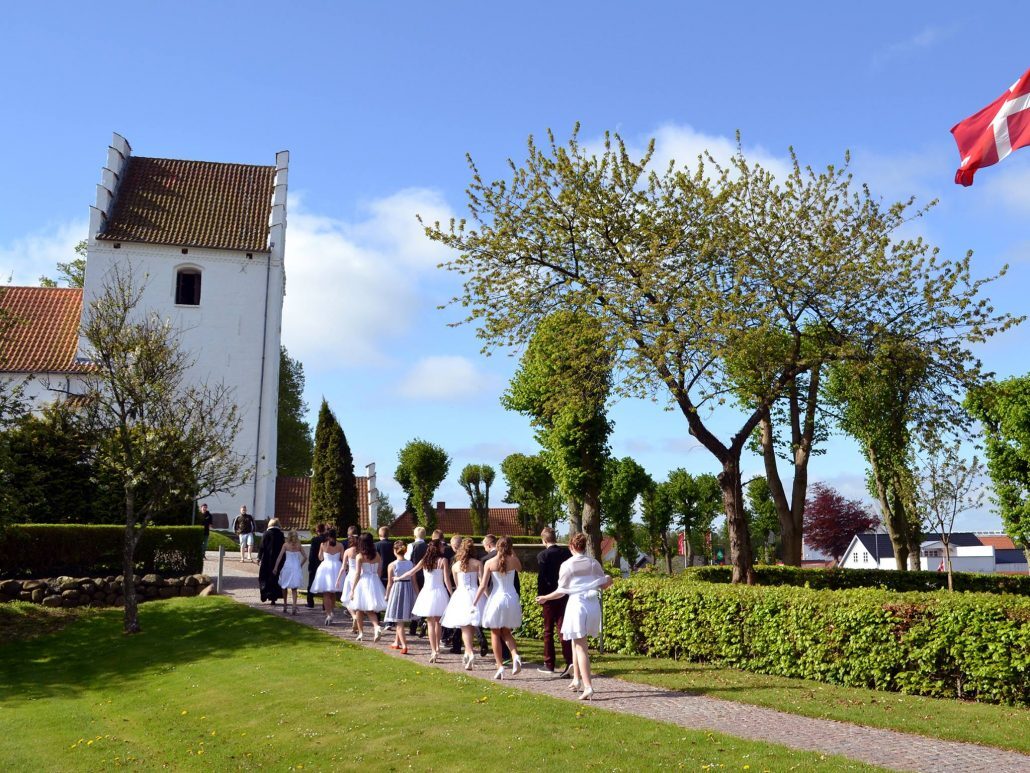
Every spring in Denmark, thousands of young teens dress up in formal clothes, head to church with their families, and take part in a tradition that’s been around for centuries: the Danish konfirmation. Whether you’re new to the country or just curious about Danish culture, here’s what you need to know about this very Danish rite of passage.
So, what is a confirmation?
In short, a confirmation is a Christian ceremony where young people, usually around the age of 13 or 14, “confirm” the promises made on their behalf when they were baptized as babies. In Denmark, most confirmations take place in the national Lutheran Church (Folkekirken), and for many families, it’s both a religious and cultural event.
That said, for many Danish teens and their families, the confirmation has become less about faith and more about tradition, celebration, and the symbolic step into young adulthood. In fact, the majority of Danes today don’t consider themselves particularly religious – but because they still like to keep certain Christian traditions, many refer to themselves as cultural Christians (kulturkristne). It’s a big moment – often seen as a coming-of-age event on par with a sweet sixteen or a bar/bat mitzvah.
How many young Danes get confirmed?
Quite a lot, actually. Despite growing secularism, around two out of three of Danish teenagers still choose to get confirmed. That number has gone down over the years, but the tradition remains strong, especially outside the larger cities. Some teens are motivated by the religious aspect, others by the big party, and – let’s be honest – a fair few are in it for the gifts.
What happens in the church?
The confirmation ceremony usually takes place on a Sunday in April or May. Leading up to it, confirmands attend weekly classes at the local church, learning about Christianity, ethics, and sometimes life skills like handling stress or social media.
The service itself is fairly formal. The boys usually wear a suit or jeans, shirt and a nice jacket and the girls wear white dresses. In the church, they sit in the front rows, and are blessed one by one by the priest. The atmosphere is solemn but celebratory, and often there’s singing, music, and plenty of proud family members in the pews.
And after that – party time!
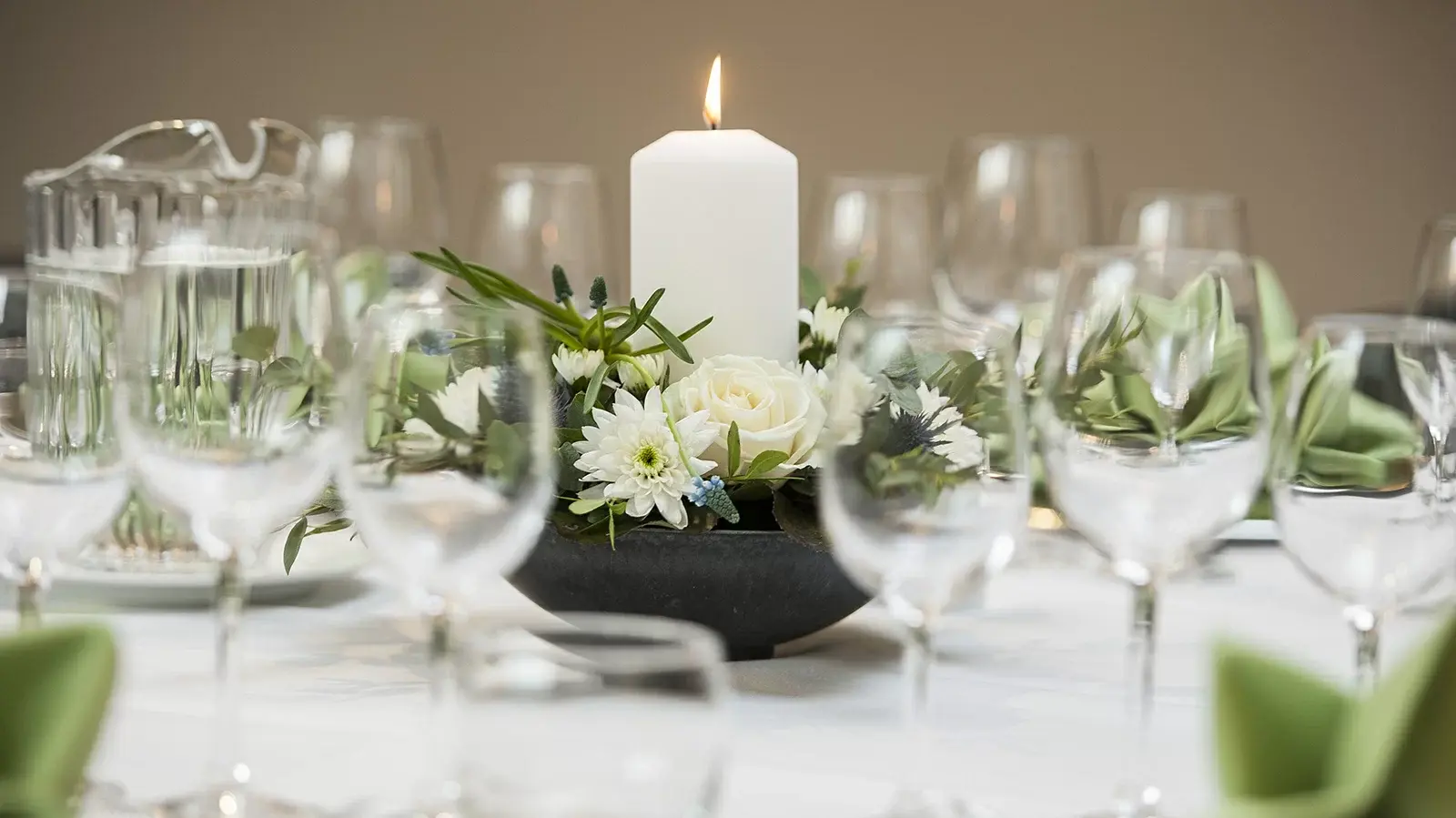
After the ceremony, it’s time to celebrate. Most families host a party – sometimes quite lavish. It can take place at home, at a restaurant, or even in a rented hall. Guests include extended family, friends, and neighbors, and there’s typically a big meal, speeches, entertainment, and lots of cake.
A key part of the party? Gifts. It’s common to give money, jewelry, a watch, or something else meaningful. Many families prepare a gift list, so if you’re invited, don’t be shy to ask for it. Giving a card with cash inside is perfectly acceptable – and often very appreciated.
What about non-confirmation?
Not all Danish teens want to take part in a religious ceremony. For those who don’t, nonfirmation has become a popular alternative. It started gaining traction in the 1990s and has grown steadily since.
A nonfirmation is essentially a secular celebration that marks the same life stage – just without the church part. Some families throw a party, others go on a trip. It’s a way of saying, “Hey, you’re growing up,” but in a way that fits the values of more non-religious or culturally diverse families.
Don’t forget Blue Monday
The Monday after the confirmation ceremony is known as Blå Mandag (Blue Monday), and it’s a day teens look forward to almost as much as the confirmation itself. Confirmands skip school and usually spend the day together with their classmates, often heading to a nearby city for shopping, fun activities, or amusement parks. It’s a sort of unofficial “reward day” and can be a pretty big deal for the kids.
If you’re invited…
Being invited to a Danish confirmation is a lovely gesture. But there are a few things to know to be a great guest. First, ask for the wish list – it’s not considered rude. In fact, most families expect it. As mentioned earlier, giving money is very normal, even preferred. Just pop it in a nice card and maybe include a short message.
Dress nicely, but not too fancy. Think “wedding guest light.” And don’t stress too much – these events are usually warm, family-oriented, and relaxed, even if they’ve been planned for months.
In many ways, the Danish confirmation tradition sits at the intersection of old and new, faith and culture, celebration and reflection. Whether in a church or not, it’s all about marking a big moment in a young person’s life – with love, family, and, of course, a bit of cake.
This article was written by Sigga Nordgaard Hansen, founder of and Danish teacher at Lingua Danica – an online learning platform that has helped thousands speak a more active and confident Danish.
👉 Follow @linguadanica on Instagram (instagram.com/linguadanica) for almost daily tips and tricks on learning the Danish language and understanding Danish culture.



i love kiko