

Additional reporting by Carly Spring
Denmark’s recent local elections have shown some of the most dramatic political shifts in Danish history. From historic upsets in the capital of Copenhagen, to a reshaped political landscape in rural Jutland, the results are telling, revealing a country moving into two distinct political directions. For the growing international community, these trends will influence not only local services, but also integration policies and public debates.
New to Danish politics? Check out our essential guide to Denmark’s political parties!
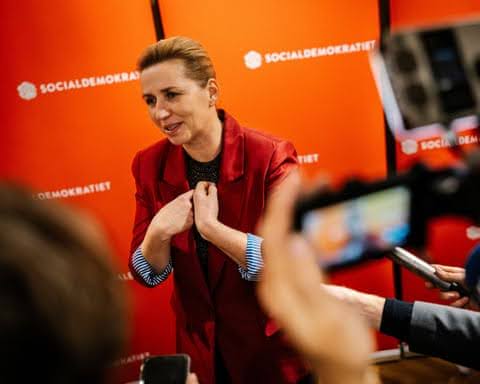
Historic Losses for the Social Democrats
Although the Social Democrats remain Denmark’s largest party overall, this election was historic. The party lost ground in municipalities across much of the country, and most strikingly were toppled for Copenhagen’s Lord Mayor’s Office, a position that they have held for more than a century. In the capital, the Red-Green Alliance (known as Enhedslisten) and the Socialist People’s Party (SF), surged ahead, signaling a shift towards more progressive and greener policies. It is estimated that around 20-30% of Copenhagen’s population is made up of internationals, with this change may be leading to a more inclusive and globally minded City Hall.
Emergence of Denmark Democrats and Victory for Venstre
The election also marked a breakthrough for the Denmark Democrats, a nationalist-conservative party making their debut in local politics. Their strongest results came from rural Jutland, where they secured their first mayoral seat. The party’s firm anti-immigration stance is expected to influence local debates in these municipalities where they gained traction. The ripple effect may also be felt in national politics in the coming months.
Interestingly, despite losing votes nationally in 2022, Venstre (Denmark’s Liberal Party) emerged from this election with the most mayoral seats, 39 in total. This gives the party significant influence over areas such as local economic policies, infrastructure investments and labor market initiatives. These are areas that will directly affect international residents and businesses, from job opportunities to local development strategies.
Why this Matters for You
These historic moments show a growing political divide between the major cities like Copenhagen and more rural areas. While the big cities are seemingly becoming increasingly left-leaning, focusing on green and progressive initiatives, rural areas are shifting further right, focusing on identity, traditional values, and growing skepticism of immigration. For internationals, this means the local political climate can vary widely depending on where you live. Urban areas may prioritize climate action, public transportation, and inclusion, while some rural municipalities may become more restrictive or cautious toward newcomers. These dynamics will shape everything from the cultural atmosphere to local integration priorities.
While the votes are still being tallied, including international voter participation, early reports suggest a slight increase in the turnout among eligible voters. We, and many others, hope this will reflect a growing engagement from international residents, who have increasingly showed interest and investment in their local communities. We thank all the internationals who took part in our shared society and voted!