
One year and one month into life in Denmark as a queer family from Scotland, translating as we go and finding ourselves in translation too!
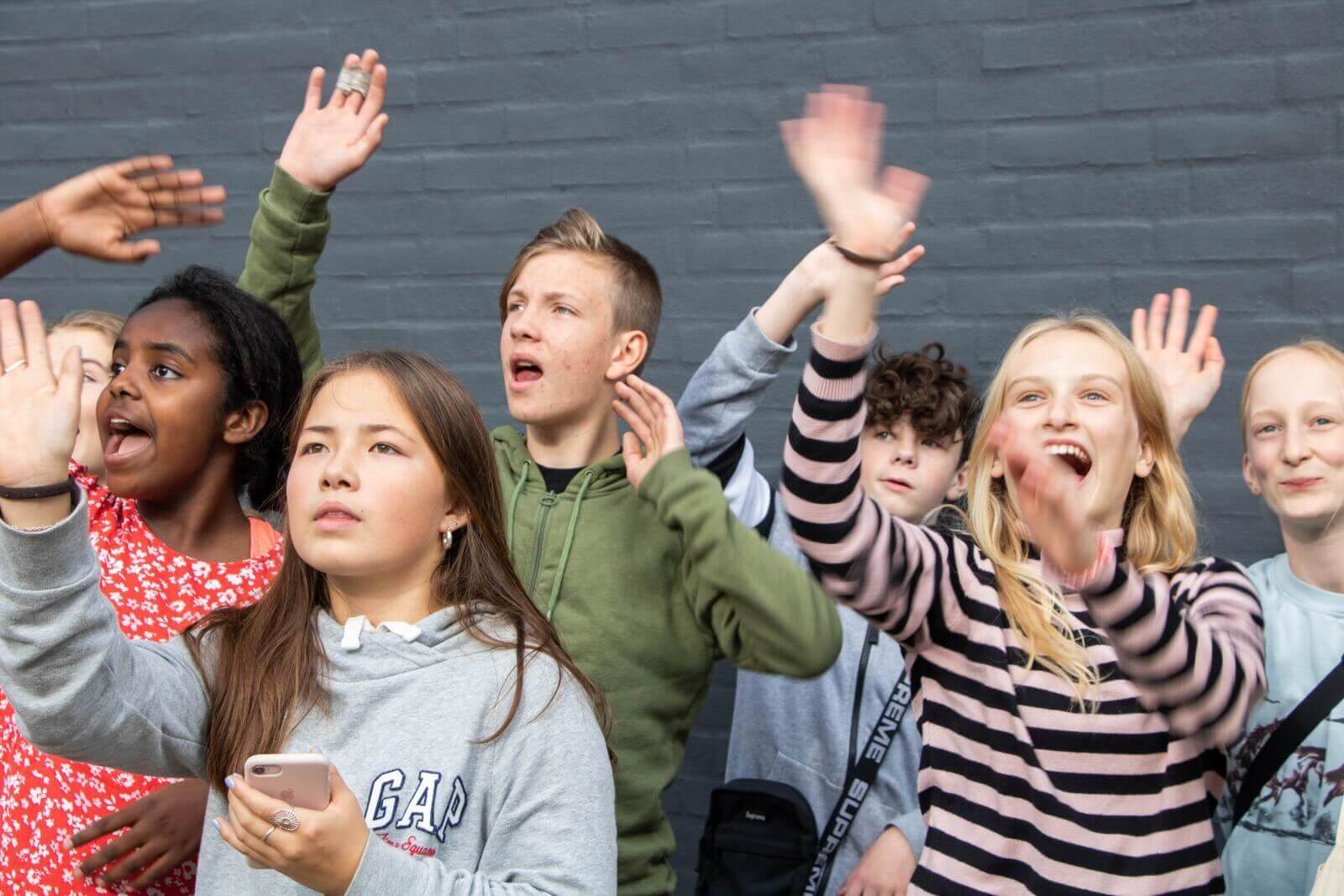
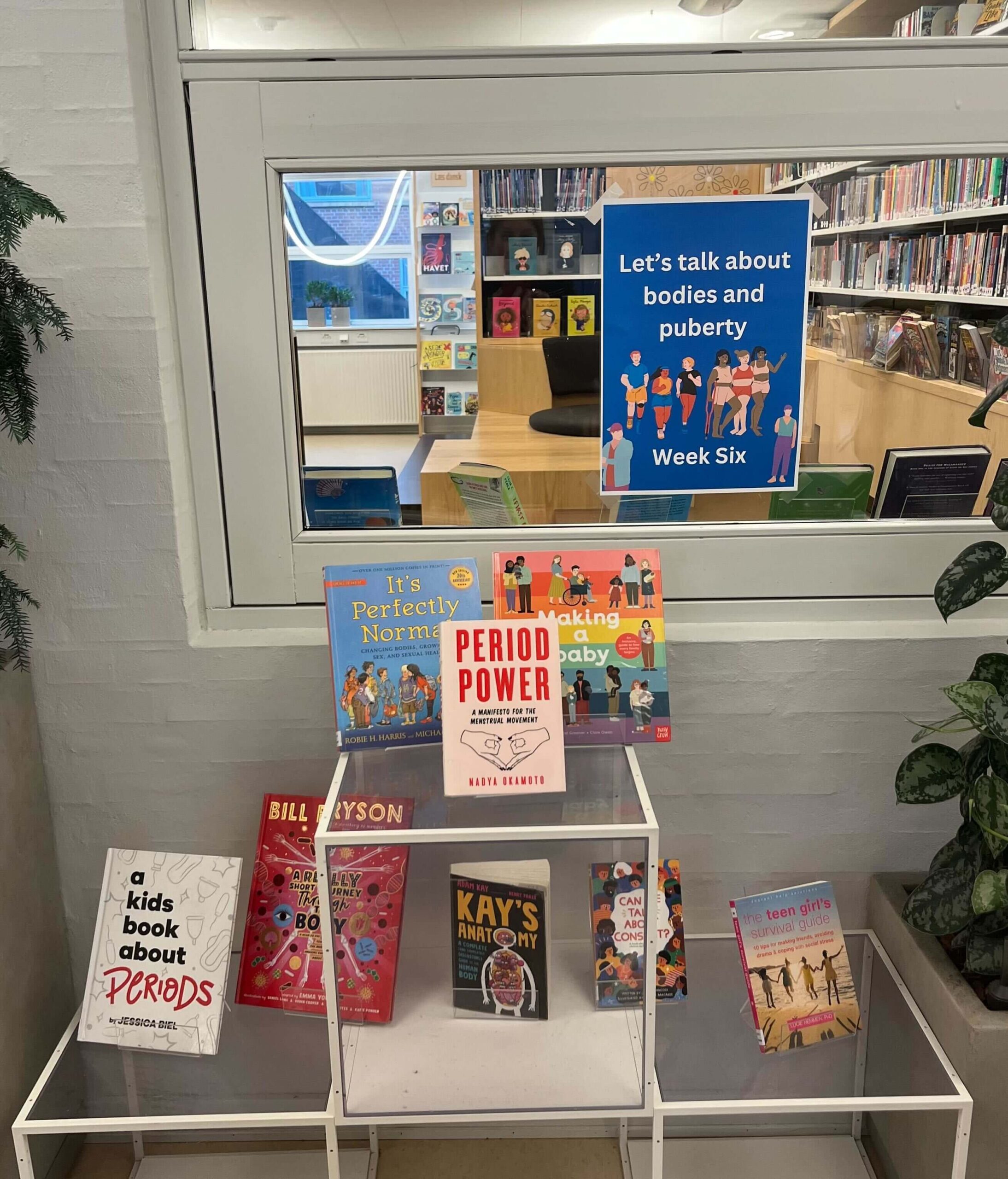
Now we’ve been here over a year, everything is coming round again. It’s Week Seks (Six – for the uninitiated, all weeks of the year in Denmark have a number assigned to them and it’s common to hear someone casually say “Oh, we’ll be on holiday during week 16”.) Week Seks is also literally Week Sex, or Uge Sex, in Denmark, when up to 20,000 teachers and 500,000 school students across the country participate in a nationally-planned week of sex education. The programme was created in 2008 to give teachers concrete tools to address sex education and has run ever since.
Last year, Week Sex fell on my children’s second week at their new school, in a new country, with new teachers and new classes. It was eye-opening for them, and by this point they had already had their eyes thoroughly opened by the festival of nakedness in the local water park changing rooms. Luckily, the very kind and sympathetic Deputy Head of their school took us aside to give a bit of advance warning about the frankness of the curriculum. The then 11-year old came back dazed, having received a whole new level of education about periods that included some kind of game played with tampons and red liquid, and I’m not exactly sure what the 13-year old learned because he just looked at the floor and refused to tell us.
 This year, I was asked by my kids’ school if I would go in and speak to the students about LGBTQ+ issues. Denmark basically leads the way for LGBTQ+ rights and freedoms, particularly as the wider world is increasingly resembling the kind of dystopian landscape we used to think only existed in science fiction movies. Still, the small city in rural Jutland where I live is not Copenhagen and once again, our family is one of only three gay-parent families in the school. My children sometimes get questions about where their dad is or why they don’t have a dad, like they did back in Scotland. I explain that this just comes from natural curiosity. Usually nobody means to be offensive – they just don’t know – and generally my kids are nonplussed by these questions. “I just don’t have one,” my 12-year old tends to say with a shrug, which is a boring enough answer to take all the power out of the question. Still, it can feel a bit like a weight of responsibility to have everyone asking the questions to you.
My kids were willing for me to come in for Week Sex, as long as I would have nothing whatsoever to do with teaching sex education to their classes. Luckily, I spoke to a completely different year group, leaving my own two to draw lots of genitals (the 12-year old) and learn about genital warts (the 13-year old) so they were happy. Well, maybe not exactly happy but definitely less mortified.
My brief was to talk about my own experiences of coming out as a young person (God, that makes me sound old), the differences between Then and Now and to answer questions the classes might have, if I was open to that. The questions wouldn’t be vetted beforehand but I could refuse to answer if I wanted to!
My involvement in Week Sex felt quite surreal in a way, as well as a bit emotional. I’ve spent a lot of my career working in schools as a teacher and then a Deputy Head in the UK. For most of that time, none of the teenagers I taught knew I was gay because no teachers would dare to come out to their students. It was illegal to teach about LGBTQ+ issues or support LGBTQ+ students until the year 2000 in Scotland, where I lived, and 2003 in the rest of the UK. For the entirety of my own school education and up to the year I became a teacher, these laws were in place. It would have been illegal for me to come and speak about being LGBTQ+ back then. Even after those laws were repealed, gay teachers just accepted that of course they couldn’t be open about their sexuality with their students. I was told more than a few times by other people, some of them gay as well, that this wasn’t a problem. Your private life is private. Except this means you have to lie about who you live with, lie about being married and it basically turns you into a very weird, secretive person who has to think about hiding information on a daily basis that heterosexual colleagues never have to consider. When you can’t share the basic details of your life with others, it stops you connecting with them. You might as well be a robot who lives in the cupboard at the back of your classroom after everyone goes home in the afternoon. Effective teaching in the twenty-first century relies on connections and finding common ground with your students. For me, not being open about my sexuality was actually a very big problem.
In 2020, during LGBTQ+ History Month, having hidden my sexuality for seventeen years at work, I reached a Monday morning where I couldn’t do it any more. I was leading a morning assembly for teenagers at my school talking about LGBTQ+ issues and I made a sudden decision that to do this without referring to myself as gay was effectively dishonest, so I would have to come out. I don’t think I have ever felt so nervous in my life: every cliche about your heart racing in your chest, blood rushing in your ears so you can barely hear – it was all there. The school was in an area with a lot of social problems and entrenched religious views, as well as a very traditionally “macho” culture. There were a lot of homophobic bullying incidents. There were no openly gay teachers amongst the staff of nearly 100. All the more reason why I needed to speak up. Somehow I stood there and I told the students what I hadn’t been able to say for years: I’m gay, I’m married to a woman and we have two children. I said I didn’t feel I could be a good role model or support to any of them if I wasn’t being honest about myself. I talked about how much it would have meant to me if I’d had a teacher when I was their age who was openly gay.
In the end the students were great and I had a lot of opportunities to get over my nerves because we had four more assemblies across the rest of the week, so I had to come out another four times! By Friday I was pretty good, I think! It was the hardest but most empowering thing I ever did in my career as a teacher, so I knew nothing the teenagers of Week Sex had to ask me could be that frightening!
In Denmark, homosexuality has been legal since 1933 (in England it was legalised in 1967 and in Scotland it was 1980) and a version of Week Sex has been running in schools for half a century. If I’d spent my teaching career in Denmark I wouldn’t have had to hide my identity at all. Still, there are over fifty nationalities at my kids’ school, with differing beliefs and attitudes towards LGBTQ+ matters, and teenagers can sometimes say and do unkind things because they’re young and they make mistakes. I told them about my experiences and then the floor was opened up to them. I thought I might get some very personal or very challenging questions. In the end, just like the students at my school in Scotland, the kids amazed me. They had a lot of questions! They asked me how my parents had reacted. They asked if it was hard to meet friends and future partners when I was young, which was a very touching question to ask! They asked how they should support a friend who was struggling with their sexuality. They wanted to know if I had experienced homophobia in my life. One person asked how people become gay. Someone asked what I thought about President Trump declaring there are only two genders. I asked them if it was ok to describe Trump as a crazy person and they all shouted “Yes!” We talked about how when you’re LGBTQ+ you can never take any of the rights you have for granted because you are always at the mercy of regressive leaders like Trump trying to roll them back because your identity threatens their power. At the end, some of the group came up to ask individual questions: what did I think about gay marriage being newly legalised in Thailand? I said I thought it was amazing and they smiled happily and agreed. Someone else wanted to know how our two sons differentiated between us when we’re both called “Mum”. How did we know which “Mum” they wanted? Answer: I just hide and hope their other mum will deal with whatever it is. Quite easy really.
What Week Sex demonstrates is the power of talking. Talking about sex openly doesn’t make people more likely to go out and have sex, just as talking about LGBTQ+ topics doesn’t make people more likely to be gay or transgender. What it does is take away shame and replace it with a sense of normality, even pride. This is exactly why patriarchal leaders like Trump want to shut these kinds of opportunities down. Week Sex means that young people, when they do have sex or come out as LGBTQ+, are far more likely to have healthy experiences that make them feel good, whatever their gender identity is. Week Sex is something Denmark does really, really well and in the current global context, particularly in the US, that’s something we have to hold close and protect.