
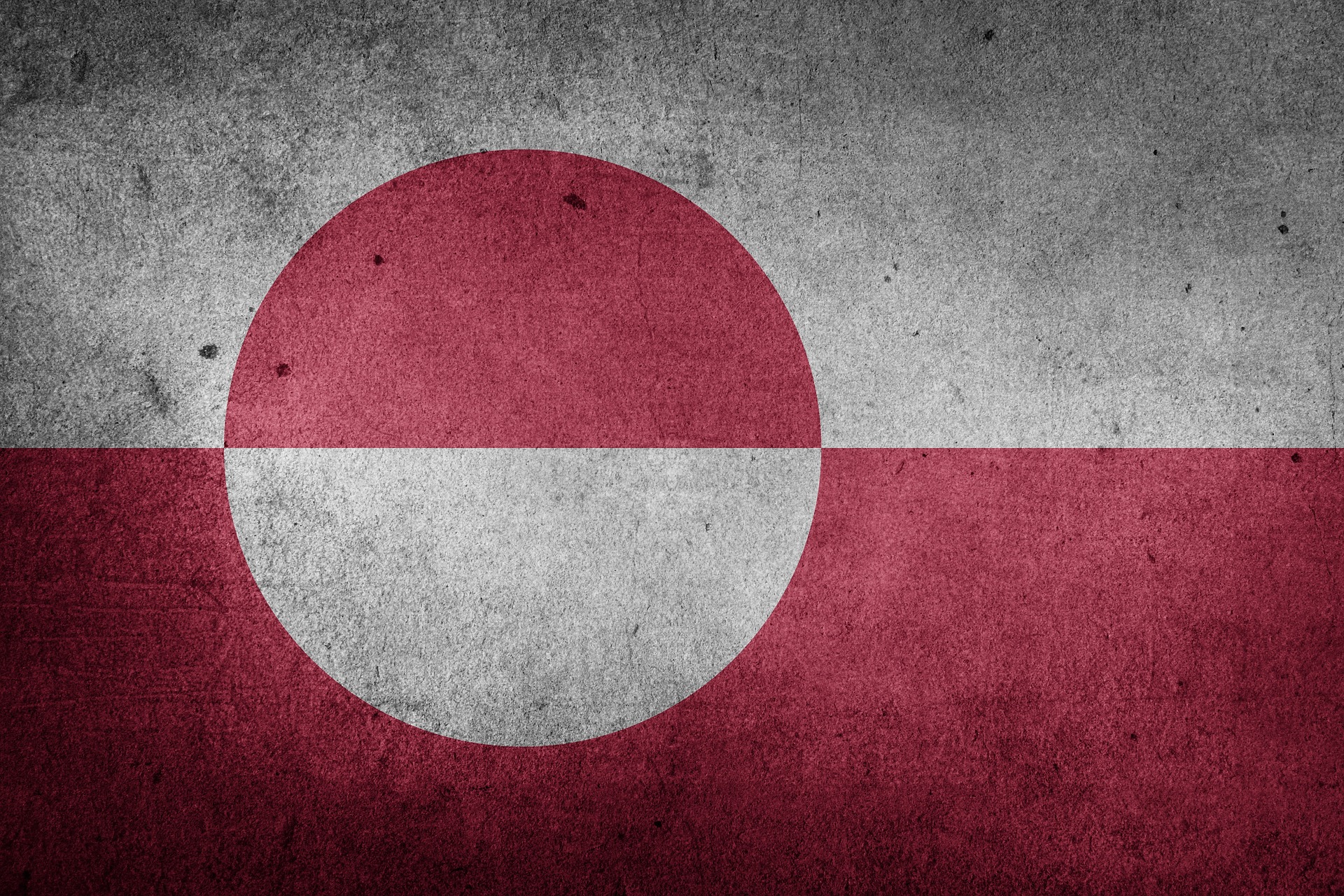
The average Dane (or citizen of Denmark) does not know nearly enough about Greenlandic identity, which is amplified by how different life is in both countries. Here are some basic facts that most readers likely don’t know: Greenland’s national dish is “suaasat,” a traditional soup made from seal, whale, reindeer, or seabirds with potatoes and onions. Common hobbies range from kayaking and fishing to dog sledding, and they often use names of Inuit heritage such as Malik, Paninnguaq, or Nivi. Danes, on the other hand, love their cycling and their smørrebrød, and chances are there are at least Mads, Rasmus, Anne, and Cecilie in your apartment building.
In deeper things, the concerns that Danes and Greenlanders have are broadly different. While Danish leaders spend most of their time discussing sustainability, social welfare, and immigration, Greenlanders are concerned with the preservation of Inuit language and culture, gaining increased economic independence, and addressing structural problems with domestic violence, substance abuse, and mental health.
A 2019 survey indicated that over two-thirds of Greenlanders aspire to independence from Denmark in the future; in the poll, one third supported immediate independence, and one third opposed it. In the eyes of Greenlanders, the economy would benefit from independence, although well-founded concerns express that Greenland is currently highly dependent on Danish support and could face big challenges.
However, history ties the two countries together (and so does the political framework, which makes both nations part of the Kingdom of Denmark). Today, Danish society is deeply driven towards renewable energy, aligning with Greenlanders’ worry about protecting the Arctic. This becomes particularly important in the face of a Trump presidency that stands strongly misaligned with the EU values around climate change. In terms of defence, Denmark has admitted to neglecting having the right amount of investment into protecting the whole Kingdom, while the USA has a significant military presence that makes some Greenlanders feel protected and others feel like their autonomy is being infringed.