

Danish unemployment benefits
Each month, this column uncovers how Denmark’s democratic ideals shape daily habits, institutions, and social norms.
While on maternity leave—my longest break from work since entering the job market—I’ve been reflecting on the social meaning of work: what it feels like to step away from the work-driven world we live in, and what it takes to feel okay in that in-between space.
Of course, not working can mean many things—studying, retirement, parental leave, or illness — but here I’m focusing on those moments when you’re between jobs or actively choosing to pause, while still able and “expected to” work.
In Denmark, around 80% of the workforce is covered by a voluntary, semi-public unemployment insurance. Here, not working is often seen not as a rupture, but as a transition—something the system is, at least in theory, built to support.
The central part of this model is the A-kasse, an unemployment insurance fund that workers can choose to join and contribute to. If you’ve been a member for at least a year and have worked long enough, you’re entitled to receive up to 90% of your previous salary (within a cap) if you become unemployed.
But the system doesn’t serve everyone equally. Many precarious workers—those juggling short-term contracts or part-time jobs—struggle to meet the eligibility criteria.
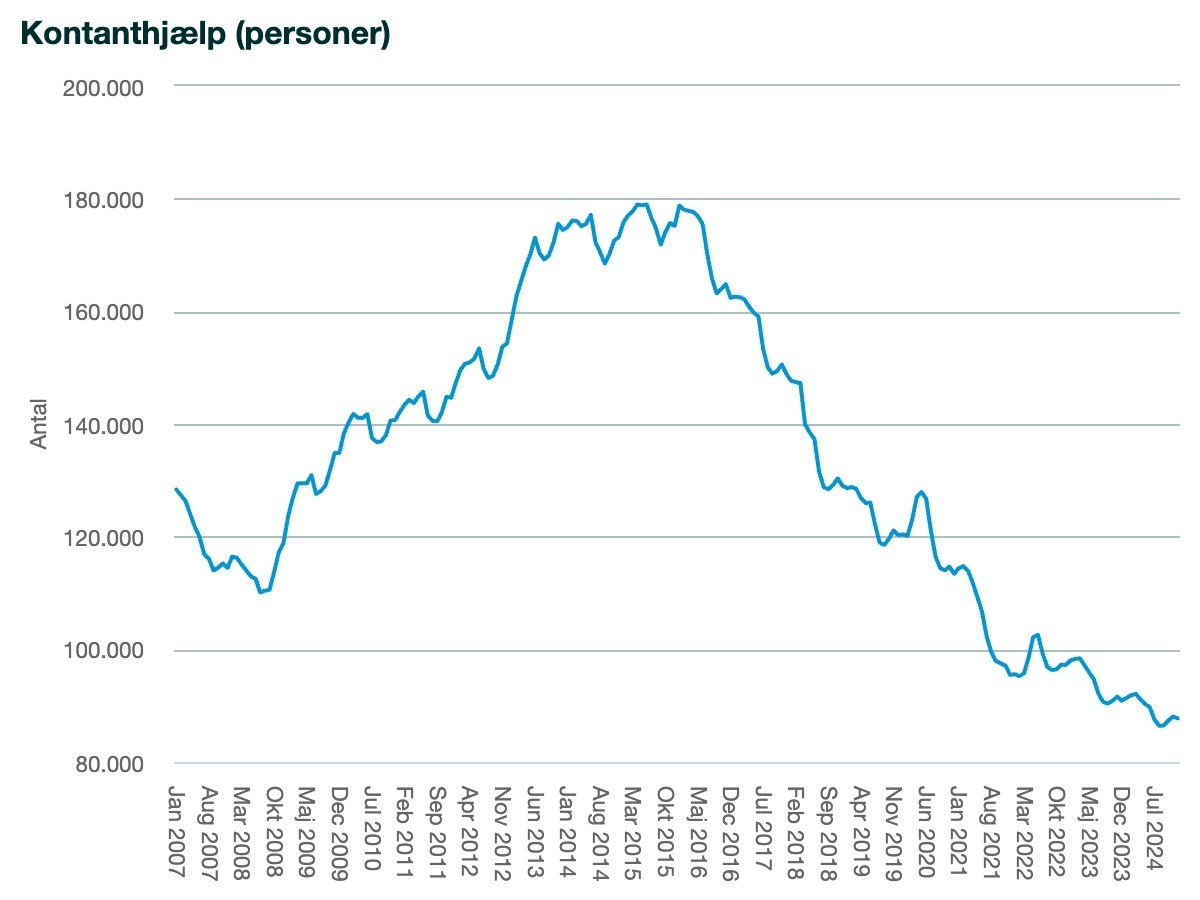
For those outside the A-kasse system, there’s kontanthjælp, a more basic public allowance. But accessing it can be bureaucratic, conditional, and at times stigmatizing. In a culture that still tends to measure worth through productivity, not working can take a psychological toll.
Some argue that a Universal Basic Income (UBI) could better reflect the fluidity of modern work by offering a more unconditional, flexible foundation on which to build a life. But while UBI remains a vision for the future, Denmark’s welfare state is already here — and under pressure.

Since the 1990s, resources allocated to public benefits have steadily declined, with capped entitlements, new age restrictions, and now, the dismantling of municipal job centers. Internationals have also faced additional hurdles. These shifts reflect a political trend toward limiting access to support for unemployed workers.
That shift risks more than individual hardship. More economic inequality doesn’t just create material gaps—it distorts democratic participation. It shapes whose voices are heard, whose needs are met, and who gets the luxury of imagining a future beyond just getting by.
The global economy’s value framework—especially around what counts as “productive” work—is increasingly being challenged. Danish writer and activist Emma Holten explores this in her widely read book Deficit (Underskud), where she focuses on the overlooked but essential nature of unpaid care work.
The design behind Denmark’s unemployment benefits—rooted in solidarity and social trust—is worth defending. It reminds us that work isn’t just a private endeavor. It’s embedded in a web of relationships, shared responsibilities, and democratic values.
Written by Alicja Peszkowska, a Copenhagen-based researcher and participation strategist working at the intersection of technology, culture, and social change. She has led community and communications work for international initiatives and curated campaigns and exhibitions both online and offline (e.g., at the Vi lever på polsk gallery in Copenhagen). You can read more of her writing, e.g., for the Fix magazine and Statens Museum for Kunst here.