

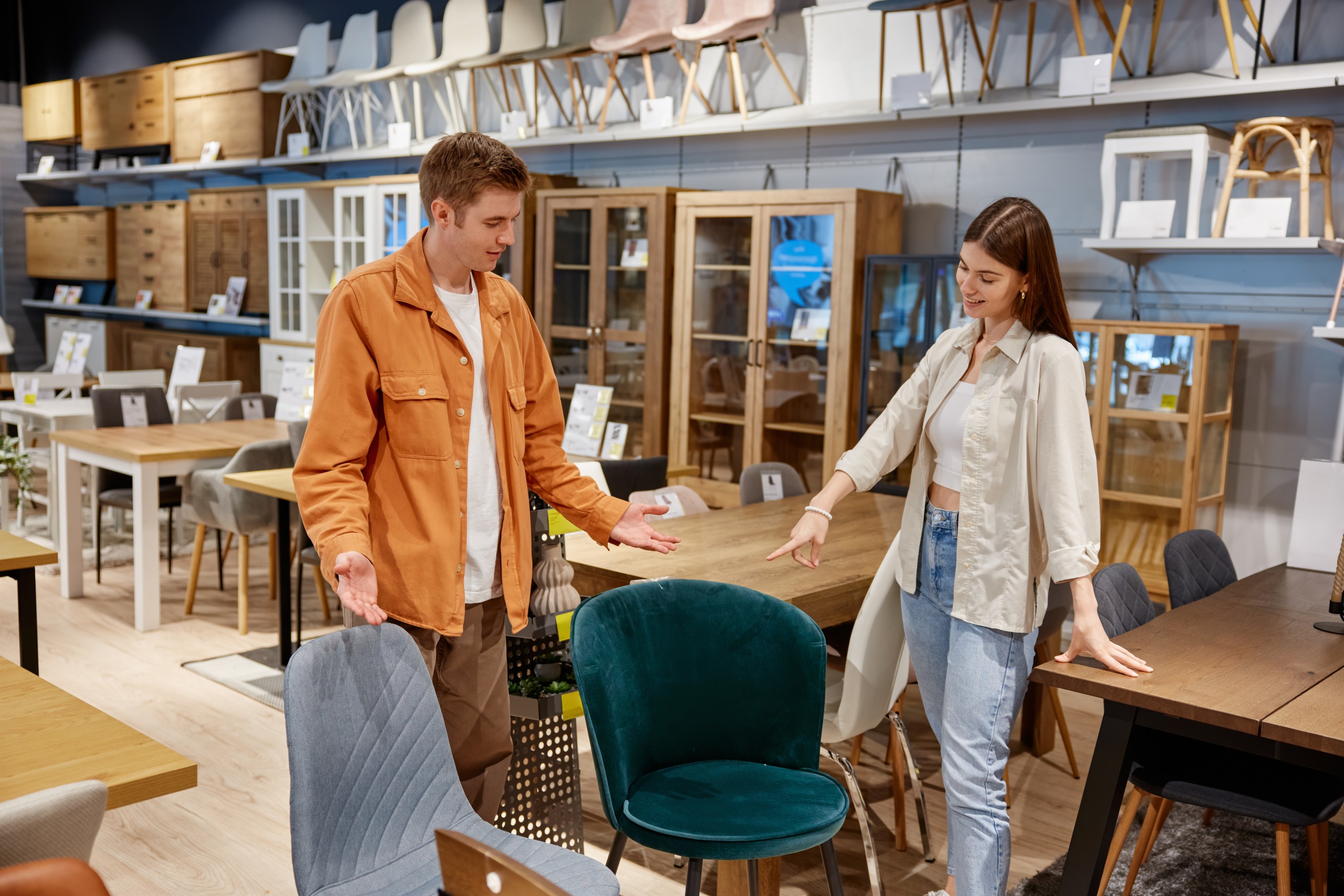
Moving into an empty apartment in Denmark is a distinct cultural rite of passage. For many internationals, arriving in cities like Copenhagen means confronting rooms stripped entirely bare, down to the lightbulbs. The standard advice from locals is simple: Do not buy new. Denmark has a deeply entrenched genbrug (second-hand) culture, supported by an established network of municipal recycling centers, flea markets, and thrift stores.
For a newcomer, however, navigating this ecosystem presents an immediate learning curve. Finding high-quality, pre-owned furniture requires local language skills, geographical knowledge, and access to a car. Without these, the default option often becomes a trip to IKEA, a choice driven by convenience rather than preference.
Priya, an international entrepreneur living in Denmark, experienced this firsthand. When she moved to Copenhagen with a full-time job and a toddler, she set out to furnish her home sustainably.
“I’d spend days scrolling DBA and Facebook Marketplace, waiting for the right listing to appear near me, sending messages and sometimes hearing nothing back for days,” Priya says. “Once we got lucky when a neighbor was moving out and gave us a table, but the experience felt completely unpredictable. Eventually, we just went to IKEA and got a bunch of things. The pieces didn’t really reflect my taste, but they were convenient.”
This experience led her to build Biophi. Instead of creating another platform for individual yard sales, she focused on connecting buyers with established vintage stores and local workshops. By gathering these physical inventories into one digital space, Priya aims to to bring Denmark’s traditional genbrug culture to residents who need a more predictable way to shop.
While peer-to-peer platforms like DBA and Facebook Marketplace are widely used in Denmark, they require a level of cultural fluency that takes time to acquire. Language barriers alone can limit what a user finds online.
“For internationals, language is an extra layer,” Priya notes. “For example, I didn’t know for a long time that searching spisebord on DBA would give me far more results than searching dining table.”
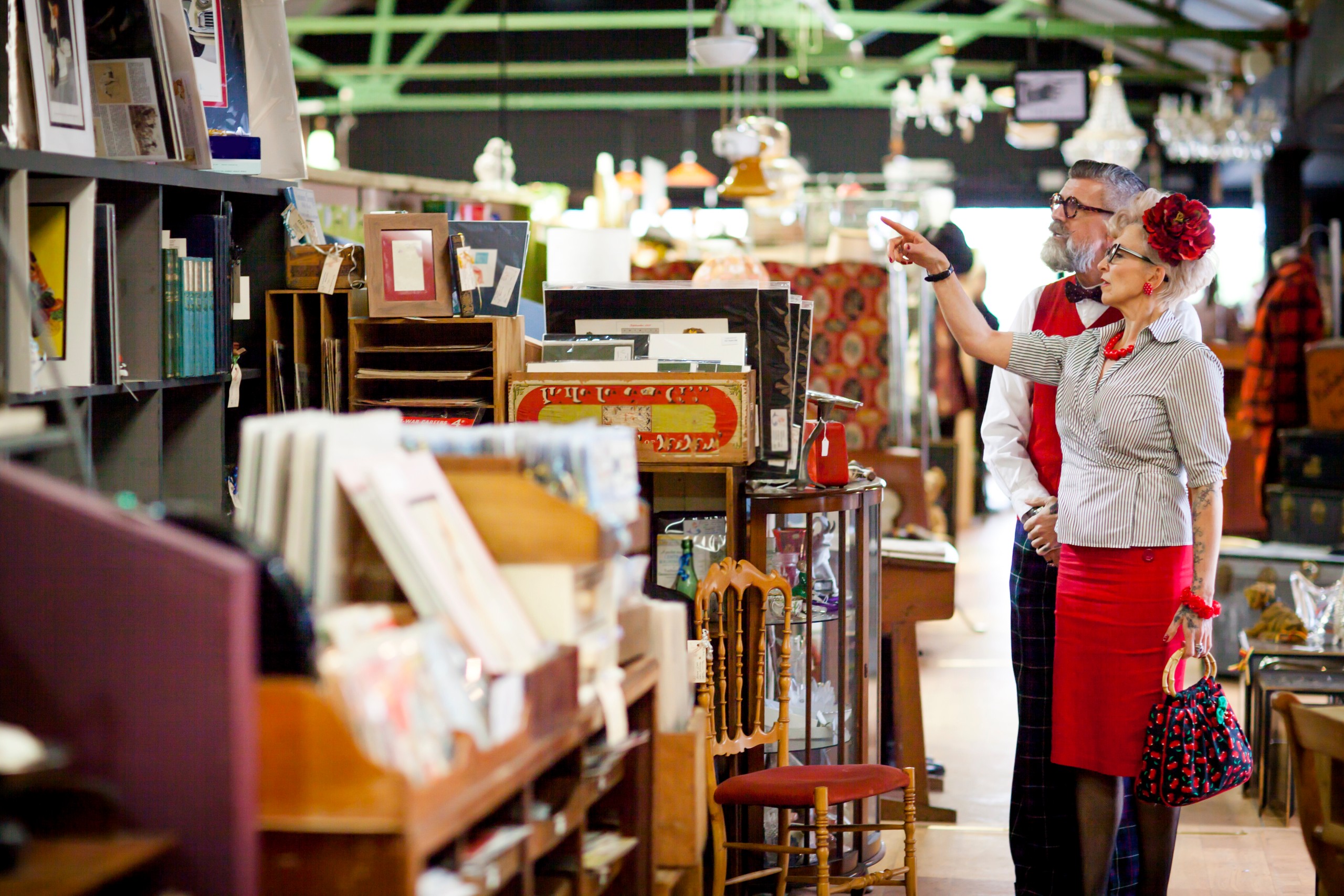
Beyond the language barrier, the physical mechanics of acquiring second-hand furniture present a logistical challenge. Peer-to-peer transactions require buyers to coordinate schedules with strangers, verify the condition of an item from low-quality photos, and arrange their own transport across town.
Meanwhile, Biophi attempts to address this by moving from a peer-to-peer model to a business-to-consumer marketplace. The platform collaborates directly with professional vintage dealers and refurbishment workshops rather than individual sellers. This structure provides a layer of curation and reliability that is often missing from standard online classifieds.
By working with established stores, the platform ensures that items are already vetted, cleaned, or restored before they are listed. It also introduces standardised delivery options, addressing the transport headache that frequently prevents people from purchasing larger items like wardrobes or sofas second-hand.
The concept of a circular economy sounds ideal in theory, but scaling a business around used and upcycled goods involves complex economic realities. In Denmark, high labor costs make the physical restoration of furniture an expensive process. Sanding, repairing, and reupholstering vintage pieces requires skilled time, which directly impacts the final price point for the consumer.
Biophi does not lower the price of the furniture itself, nor does it try to compete with cheap mass production. Instead, it avoids the operational overhead of running a manual restoration workshop by functioning strictly as a digital marketplace. The platform connects consumers directly with the independent dealers who are already doing the physical work. By operating this way, the company shifts its focus entirely to solving accessibility and transport logistics, rather than trying to cut down the inherent cost of local craftsmanship.
“We’re not manufacturing new furniture,” Priya explains. “We’re building a marketplace for what already exists, so we are simply supporting the local circular economy. Our real challenge is demand: reaching more people who want quality second-hand furniture and making the buying process easy enough.”
The demand on the platform currently reflects a split demographic. Internationals use the service as an accessible entry point into the local second-hand market, utilising the English-language user interface to bypass the usual language barriers. At the same time, Danish buyers use the platform to source specific, curated Danish design classics without having to spend weekends driving to distant thrift stores.
An outsider’s perspective on the local economy
Building a business around a core Danish cultural value brings unique challenges for an international founder. The Danish startup and sustainability ecosystems are highly collaborative, but they rely heavily on established local networks.
“The biggest surprise has been how relationship-driven Denmark is,” Priya says. “There’s a lot of support for sustainable businesses, but it takes time to learn how to navigate it. As an international founder, building trust with local stores can also be a challenge at first. But once people understand the mission, the support is amazing.”
A platform like Biophi does not replace the traditional weekend trip to a physical recycling center or a local flea market, which remain key social and cultural activities in Denmark. Instead, it serves a different functional purpose for residents who are short on time or need specific items quickly.
By digitising the inventory of local vintage dealers, the platform makes the Danish circular economy accessible to a broader, international audience. It demonstrates that the main obstacle to sustainable consumption is rarely a lack of intent, but rather the logistical friction of the system itself. When technology simplifies the process, choosing second-hand shifts from a chore to a viable default. Paving the way for a more sustainable and affordable furnishing experience.